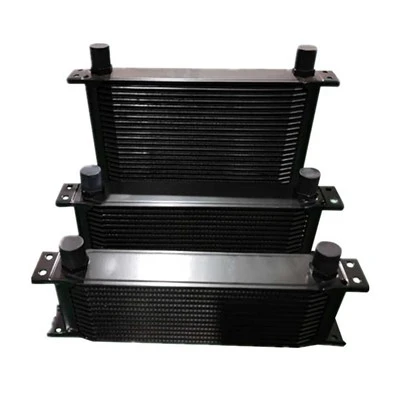
Maintaining an aluminum car radiator is crucial for the overall health and performance of your vehicle. As an aluminum car radiator supplier, I've witnessed firsthand the impact of proper maintenance on radiator longevity and efficiency. In this blog, I'll share some essential tips on how to keep your aluminum car radiator in top - notch condition.
1. Regular Visual Inspections
One of the simplest yet most effective ways to maintain your aluminum car radiator is through regular visual inspections. Check your radiator at least once a month or before long trips. Look for any signs of corrosion, leaks, or physical damage.
Corrosion on an aluminum radiator can lead to reduced heat transfer and potentially cause leaks. If you notice any white, powdery substance around the radiator fins or joints, it could be a sign of corrosion. Small leaks may appear as wet spots or drips under the radiator. Physical damage, such as bent fins, can obstruct airflow and reduce the radiator's cooling capacity.
2. Keep the Radiator Clean
The radiator's fins play a vital role in dissipating heat. Over time, dirt, debris, bugs, and leaves can accumulate on these fins, blocking airflow and reducing the radiator's efficiency.
To clean the radiator, start by using a soft brush or compressed air to gently remove loose debris from the fins. Make sure to work from the direction of the airflow to avoid pushing debris further into the fins. You can also use a radiator cleaner solution, which is specifically designed to break down grease and grime. Follow the instructions on the cleaner carefully. After applying the cleaner, rinse the radiator thoroughly with a low - pressure hose to avoid bending the fins.


3. Monitor Coolant Levels
Coolant is the lifeblood of your radiator. It absorbs heat from the engine and transfers it to the radiator, where it is dissipated. Low coolant levels can cause the engine to overheat, which can lead to serious damage.
Check your coolant levels at least once a month. Most modern vehicles have a coolant reservoir with minimum and maximum markings. The coolant level should be between these two marks. If the coolant level is low, add a mixture of coolant and water as recommended by your vehicle's manufacturer. It's important to use the right type of coolant for your aluminum radiator. Some coolants are specifically formulated for aluminum radiators to prevent corrosion.
4. Flush the Radiator Regularly
Over time, coolant can break down and accumulate contaminants such as rust, scale, and sediment. These contaminants can clog the radiator tubes and reduce its efficiency. Flushing the radiator every 2 - 3 years or as recommended by your vehicle's manufacturer can help remove these contaminants.
To flush the radiator, start by draining the old coolant from the radiator. You can do this by opening the drain valve at the bottom of the radiator. Once the old coolant is drained, refill the radiator with water and a radiator flush solution. Run the engine for about 15 - 20 minutes to circulate the flush solution through the radiator and engine. Then, drain the flush solution and water mixture from the radiator. Repeat this process until the water runs clear. Finally, refill the radiator with the appropriate coolant mixture.
5. Check the Cooling Fan
The cooling fan is responsible for drawing air through the radiator when the vehicle is stationary or moving at low speeds. A malfunctioning cooling fan can cause the radiator to overheat.
Inspect the cooling fan regularly to make sure it is working properly. You can do this by starting the engine and letting it idle until it reaches operating temperature. The cooling fan should turn on automatically when the engine gets hot. If the fan doesn't turn on, there could be a problem with the fan motor, the fan relay, or the temperature sensor. In this case, it's best to have the cooling fan checked by a professional mechanic.
6. Protect Against Freezing and Overheating
Extreme temperatures can take a toll on your aluminum car radiator. In cold weather, the coolant can freeze, which can cause the radiator to crack. To prevent this, make sure your coolant mixture has the right antifreeze - to - water ratio. Most manufacturers recommend a 50/50 mixture of antifreeze and water for year - round protection.
In hot weather, the radiator may struggle to keep the engine cool, especially if you're driving in heavy traffic or towing a heavy load. To help your radiator cope with high temperatures, avoid overloading your vehicle and give your engine a chance to cool down if you notice the temperature gauge rising.
Our Product Range
As an aluminum car radiator supplier, we offer a wide range of high - quality radiators to meet your needs. Whether you're looking for a Chevy Aluminum Radiator for your American classic, a Jeep Cherokee All Aluminum Radiator for your off - road adventures, or an Aluminum Race Radiator for high - performance racing, we've got you covered.
Contact for Purchase
If you're in the market for a new aluminum car radiator or have any questions about radiator maintenance, don't hesitate to reach out. We're here to provide you with the best products and advice to keep your vehicle running smoothly. Contact us to start a purchase negotiation and find the perfect radiator for your vehicle.
References
- "Automotive Cooling System Handbook" by various automotive engineering experts.
- Manufacturer's manuals for different vehicle models.
- Online automotive repair and maintenance resources.