
Aluminum Car Radiator
Your Leading Yangzhou Zuoer Radiator Co., Ltd. Supplier
Yangzhou Zuoer Radiator Co., Ltd. is located in the Automobile lightweight Industrial Park of Yangzhou Economic Development Zone, Jiangsu Province, China. It is a professional enterprise specializing in the design and manufacture of automotive construction machinery, agricultural machinery, generator sets, air compressors and other heat dissipation systems, water radiators, oil radiators, intercoolers and new energy vehicle radiators.
Why Choose Us
High quality
The company has advanced quality assurance system ensures the continuous and stable product quality and meets the needs of all kinds of customers.
Rich experience
Our company has more than 20 years of production work experience.
Advanced equipment
The company has a first-class professional production line of aluminum radiator products, with all kinds of radiator products.
Technical support
The company has a mature and stable radiator product research and development team.
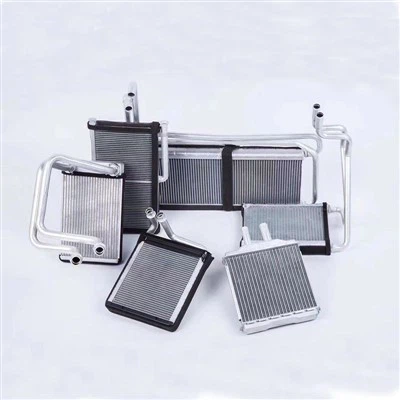
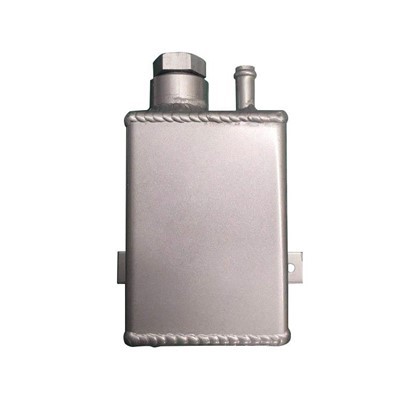


Real Factory

Aluminum radiators are designed for high-performance cars requiring top performance and feature both an aluminum core and a tank made of aluminum. Aluminum radiators have a great cooling efficiency Due to its high thermal conductivity, aluminum absorbs heat much more quickly.
Benefits of Aluminum Car Radiator
Highly conductible
They will heat up and keep you toasty quicker than steel or cast counterparts
Less water usage
Less water flows through aluminium radiators, meaning that they heat up even faster. Perfect for the upcoming winter.
Durability and flexibility
Aluminium has industrial-grade durability and flexible properties, they also last longer without oxidising or rusting and due to the flexibility of the material designers have more freedom when creating a unique aluminium concept radiator
Eco friendly
Aluminium radiators can be made from recycled materials and then they can also be re-recycled once it's no longer working. This makes it a green option for any home.
Types of Aluminum Car Radiator
Crossflow radiators
A crossflow radiator is one of the most common types found in modern vehicles. In this design, the coolant flows horizontally across the core, allowing for efficient heat transfer. Crossflow radiators are compact and lightweight, making them suitable for various vehicle applications. They are often favored for their improved cooling efficiency and space-saving design.
Downflow radiators
Downflow radiators, or vertical flow radiators, are commonly found in older vehicles. In this design, the coolant flows vertically from the top tank to the bottom tank. While downflow radiators may not offer the same cooling efficiency as crossflow radiators, they can still provide adequate cooling for many vehicle applications. They are generally preferred for their simplicity and compatibility with older vehicles.
Components of Aluminum Car Radiator
Coolant: Coolant, a blend of water and antifreeze, is key to the radiator's function. It circulates through the engine, absorbing heat, and then through the radiator, where it releases this heat. This fluid is specifically formulated to prevent freezing and boiling while protecting against corrosion.
Water pump: The water pump is responsible for moving the coolant through the engine and radiator. Powered by the engine, it ensures a consistent flow, enabling the coolant to absorb and dissipate heat effectively.
Thermostat: The thermostat is a temperature-sensitive valve. It determines when to allow coolant to flow through the radiator. As the engine reaches a certain temperature, the thermostat opens, allowing hot coolant to be cooled in the radiator, and closes when cooling isn't needed.
Core: The radiator's core is made up of a series of tubes and fins. These components increase the surface area for heat transfer. As hot coolant flows through the tubes, the surrounding fins help dissipate the heat into the air.
Outlet/inlet tanks: These tanks are important for managing coolant flow. The inlet tank receives hot coolant from the engine, and the outlet tank sends the cooled coolant back.This design ensures a continuous flow of coolant through the radiator.
Pressure cap: The pressure cap maintains the correct pressure within the radiator. A properly pressurized system increases the efficiency of the cooling process,preventing coolant from boiling over and ensuring the system operates effectively.
How to Maintain Aluminum Car Radiator
Check the coolant
Ensure that the coolant level is at the correct level by checking the expansion tank or coolant drain tank. If necessary, add coolant with a mixture that matches the vehicle manufacturer’s specifications.
Check for leaks
Check the radiator and hoses to ensure there are no leaks. Leaks can cause enough coolant loss to cause overheating. If a leak occurs, repair or replace the damaged component immediately.
Clean the radiator
Clean the radiator of dirt, dust, and debris that can block airflow. You can use low-pressure air or a soft brush to clean the radiator fins. Make sure not to touch the radiator fins too roughly, as they can be easily damaged.
Check the radiator fan
If the vehicle is equipped with a radiator fan, make sure the fan is functioning properly. Check the fan’s wiring, switches, and relays to ensure there are no issues causing the fan to not operate properly.
Check the thermostat
Check the thermostat to ensure it is functioning properly. A faulty thermostat can cause the engine to overheat or not reach the optimal operating temperature. If necessary, replace the thermostat according to the recommended maintenance schedule.
Wash the cooling system
Regularly flush or wash the cooling system to remove deposits and scale that may have formed inside the radiator and engine block. This will help maintain optimal coolant flow and cooling performance.
How Does an Aluminum Radiator Work
The main goal of a car radiator is to keep the vehicle cool. The heat is generated when the engine in a vehicle burns fuel. So it is the utmost to remove this heat from the engine and prevent it from damage.
Thus radiators are an important component to eliminate excessive heat. Further, the thermostat detects the excess heat and then the coolant or water is released by the radiator and absorbs the excessive heat.
The excessive heat is absorbed by the liquid and is sent to the radiator which works to blow air across it and thus cool it down. During this process, the radiator utilizes thin metal fins which are effective and they allow the air to escape outside the car. The fins are helpful to blow air across the radiator.
The Aluminum Radiator Vs the Copper Radiator
At the moment, the market price of copper materials far outweighs the price of aluminum materials. Copper materials are several times more expensive than aluminum materials in terms of cost alone. As a result, in order to save money, many automotive radiator manufacturers and buyers will prefer aluminum car radiators.
Soldering is used to join the copper car radiator for sale. The welding medium is tin, which is achieved by melting and cooling tin, whereas the welding of aluminum car radiators is brazing of aluminum, which uses the different melting points of different aluminum alloys, as well as melting and cooling of the aluminum alloy itself in a specific atmosphere. The aluminum car radiator has no excess components doping, ensuring consistent performance from start to finish.
Copper materials have a relatively high heat dissipation coefficient. Copper products therefore have a higher heat dissipation capacity than aluminum products. However, because welding of copper materials is dependent on the melting and cooling of tin, there is a layer of tin-lead alloy hanging on the surface of the copper car radiator's heat pipe and main sheet. Although copper has a higher heat dissipation coefficient than aluminum, there is a layer of tin-lead alloy between the heat dissipation components, resulting in a much lower overall heat dissipation coefficient for copper car radiators.
How to Flush Your Radiator
Safety first
Park your vehicle on a flat, dry surface and install wheel chocks. Make sure the vehicle has not been running for at least an hour and that the engine and radiator are cool. Be sure to wear safety goggles and protective gloves. Keep coolant away from pets or small children. Clean up any spills immediately. Do not pour coolant down a drain or toilet.
Setting up the job
Open and secure the hood. Inspect the radiator and hoses for any cracks or signs of leaks. Once you’ve determined whether you are going to do a complete flush or just a radiator drain/full, proceed by opening your hood and secure it so that you can inspect your radiator along with all the attached hoses.
Keep an eye out for any leaks, cracks, or stressed-looking rubber. A worn and damaged hose may need to be replaced. At this time, install your flush kit into the heater hose if you plan on flushing the system. If you notice a worn or damaged hose, it may need to be replaced.
Press down and remove the radiator cap
Carefully press down on the radiator cap and remove it. Make sure the vehicle has not been running for at least an hour and that the engine and radiator are cool. Opening the cap on a hot radiator is extremely dangerous.
Locate the drain plug and loosen
Locate the drain plug. This is found on the bottom of the radiator. Place a pan under the drain plug to catch old coolant. Loosen the drain plug and allow coolant to flow. Tighten the drain plug when coolant has stopped flowing.
Fill the cooling system with distilled water
Check instructions on flush bottle for specific steps. Steps vary according to flush product. Fill the system with both water and flush product. Using a flush product is good to break up any sediment or corrosion and get it out of the system.
Install the radiator cap and run the engine
Install the radiator cap and run the engine for 10 minutes with the heater on maximum. Only run the engine outdoors or in a well-ventilated area. Turn off engine and allow radiator to cool. Repeat drain procedure.
Loosen lower radiator hose
Once you’ve ran flush through and drained the radiator again, it’s a good idea to get any sediment out of the bottom of the radiator that the drain cannot remove. Once the hose is loose and can be removed. Fill the radiator up with garden hose or bottled water, then pull the hose and drain any sediment / dirty water out. At this point, very little of the water will contain antifreeze, but a good deal of sediment that has settled in the bottom of the radiator will come out. Next, hook up your hose to your flush valve you installed and follow the flushing instructions.
Drain out final dirty water
Once the system has been completely flushed, you will need to drain the system of the remaining dirty flush water in both the radiator, and as much out of the block as you can. Remember, all of this water contains antifreeze, so make sure you follow local ordinances on capturing antifreeze.
Fill with new antifreeze
Fill the system with new antifreeze. If using concentrated antifreeze, be sure to use distilled water. Located any bleeder screws in the system that need to be opened to remove excess air. It is vitally important that these are located, or an air bubble can cause the car to overheat.
Common Radiator Problems
Pressure problems
If your radiator cap goes south, you could have issues with either too much or too little pressure in your radiator. Either problem ends the same way: your engine overheats. In this instance, you could just replace your radiator cap.
Pressure problems can also be caused by leaks, and leaks can be caused by pressure problems. At a shop, they can test the radiator’s pressure to see if this is the issue.
Leaks
Coolant leaks aren’t just annoying, they’re also dangerous. Antifreeze is extremely toxic, and has killed more than one household pet. If you see a leak, it may not mean you need to replace your whole radiator. Most of the time leaks are caused by older hoses, but sometimes leaks can be caused by cracked radiators, failing water pumps, or other unusual causes.
While a leak indicates that something isn’t working and that you should check your hoses, problems at any point in the cooling system can cause a loss of pressure and subsequent leak.
Rust and corrosion
What if you haven’t upgraded your engine but it just randomly started overheating? Well, it’s likely due to rust, debris, or other ‘junk’ preventing your radiator from operating the way it should. In this case, you’ll need to flush out your radiator or consider swapping in a new one.
At least once a year, you should make time to clean your radiator as a way of preventing this. You can also invest in an aluminum radiator, which is less susceptible to corrosion.
It is a professional enterprise specializing in the design and manufacture of automotive construction machinery, agricultural machinery, generator sets, air compressors and other heat dissipation systems, water radiators, oil radiators, intercoolers and new energy vehicle radiators.


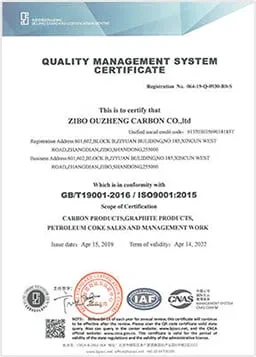
Our Certificate