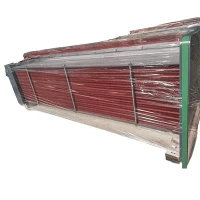

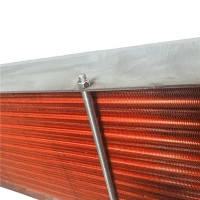
Aluminum Intercooler
Your Leading Yangzhou Zuoer Radiator Co., Ltd. Supplier
Yangzhou Zuoer Radiator Co., Ltd. is located in the Automobile lightweight Industrial Park of Yangzhou Economic Development Zone, Jiangsu Province, China. It is a professional enterprise specializing in the design and manufacture of automotive construction machinery, agricultural machinery, generator sets, air compressors and other heat dissipation systems, water radiators, oil radiators, intercoolers and new energy vehicle radiators.
Why Choose Us
High quality
The company has advanced quality assurance system ensures the continuous and stable product quality and meets the needs of all kinds of customers.
Rich experience
Our company has more than 20 years of production work experience.
Advanced equipment
The company has a first-class professional production line of aluminum radiator products, with all kinds of radiator products.
Technical support
The company has a mature and stable radiator product research and development team.


Real Factory

Most of your off the shelf intercooler kits will be made from Aluminium, aluminium has a high rate of thermal conductivity meaning it will heat up quickly and cool down quickly, it's light and easy to form as it's soft and it's a great material to weld if you have an AC TIG welder.
More horsepower
Intercoolers function by transferring heat from the compressed air in the engine, constantly replacing it with cooler air. This cool compressed air plays a significant role in increasing the overall performance of the engine. If we look at the numbers, every 10 degrees decrease in temperature of the engine, it gains one percent increased horsepower. Multiplying these numbers shows why intercoolers are a must-have for any performance turbo charged vehicle.
High-temperature air can significantly lower your engine’s performance. Hot air is less dense, meaning it has a lower concentration of oxygen – the main component for burning fuel. This makes intercoolers a necessity, offering performance at a much higher level.
Easy installation
Since intercoolers tend to take quite a small area, installing them can be a simple task as turbo charged engines already have an intercooler. You can always get an intercooler installed from an automotive shop. However, if you know your way around your car’s engine, installing an intercooler yourself can be a breeze. Intercoolers that are mounted to the front or top of the car are pretty simple, as they do not require much tweaking.
If you’re working on a budget, installing the intercooler yourself can be the best option for you. You can look up many guides that explain the whole process. However, the whole process must be done carefully to avoid any damage to the engine.
Cost-effective
For car enthusiasts on a budget, an intercooler is a perfect option. These devices are quite cost-effective as they don’t require much maintenance. Moreover, their initial cost is pretty low as well, especially for air-to-air front-mount intercoolers. In the long run, you’ll be saving much more money.
Higher power output
Intercoolers increase the density of the compressed air, allowing the engine to burn additional fuel and generate more power.
Greater engine reliability
Running a turbocharger or supercharger without an intercooler results in excessive heat, increasing wear and tear on an engine's components.
Prevention of engine knocking
Engine knocking occurs when an air-fuel mixture combusts prematurely (prior to the spark plug firing). A cooler intake charge might help prevent combustion-chamber hot spots that can cause knock.
Types of Aluminum Intercooler
Air-to-air intercooler
Air to air is one of the most common types of the intercooler. It has better efficiency at higher speeds, greater reliability and less maintenance, as well as lower cost. An air-to-air intercooler works by passing hot air from the engine through tubes. This air is cooled by heat transfer, as cooler air passes outside the tubes. Where the intercooler is mounted on the engine determines the efficiency of the cooling system.
Air-to-water intercooler
Air/water types are more efficient at low speeds, causing loss of turbo pressure and better throttle response. An air-to-water intercooler works by transferring heat from the air in the engine to the water. Once the water is heated, it moves away from the hot parts of the engine. It then transfers the heat to the outside air.
Application of Aluminum Intercooler
The intercooler’s job is to cool down the air after it has been compressed by the turbo or supercharger, but before it enters the engine.
The Individual Steps for Cleaning the Intercooler:
Loosen the bolts of the radiator grille and yank out the grill frontwards with great force.
Unscrew the bolts of the bumper (next to the headlamps), then remove engine cover (using a car jack is the convenient option), and remove the bolts in the wheel arches. Now disconnect the hose and cables. Then you can take off the bumper (it is usually clipped on, so carefully tilt it before pulling it off).
Remove the bumper mount and pull out the plug for the headlamps.
Disconnect the two-part Bowden cable for the bonnet (often a small box above the headlamp).
Remove all bolts and lugs for the front fairing and remove them along with the headlamps. (The intercooler may be suspended from lugs on the carrier. So it’s best to find someone to help you with the removal process.)
Now put something under the cooler, release the clamps and remove the hoses to the intercooler.
Unscrew the oil cooler from intercooler.
Now tilt the intercool downwards and pull out towards the side.
Now you can flush the intercooler with brake cleaner or acetone and shake it. Quite a bit will come out, so repeat the process a few times and take a break for few minutes in between.
An intercooler uses a series of fins and plates to dissipate heat. The air or fluid is forced through the intercooler, and the fins help to transfer the heat from the air or fluid to the surrounding atmosphere. This process helps to keep the air or fluid cool, so the engine or system can run more efficiently. Additionally, an intercooler can prolong the life of an engine or system by preventing overheating.
When the air is compressed by a turbo/supercharger, it gets hot very quickly. Therefore, its temperature climbs and its oxygen content (density) drops. When the air is cool, an intercooler provides a denser, more oxygen-rich air to the engine. Therefore, improving the combustion by allowing more fuel to be burned.
It also increases reliability as it provides a more consistent temperature of air intake to the engine. This allows the air-fuel ratio of the engine to remain at a safe level.


While both systems work to cool the engine down, there is a difference between radiator and intercooler systems. The radiator’s job is to reduce coolant temperature after it passes through the engine, preventing overheating in all the moving parts. It’s in every car that has an internal combustion engine.
An intercooler, on the other hand, is responsible for cooling down the compressed air in turbo and supercharged cars that gives them their extra boost. Its role isn’t to keep the engine parts cool, but to provide the engine with air that’s cooler and therefore more oxygen-rich and dense to help the turbo engine burn fuel more efficiently.
Radiators and intercoolers can also be found in different parts of the car’s engine. Radiators sit right behind the front grill, using the air that flows in as you drive to help lower the temperature of the coolant. Intercoolers are attached to the turbo, and—depending on the type—will sit just behind the front grill or further back in the engine.
Although aftercooler and intercooler may refer to the same device and function similarly, the circumstance in which they are used provides very subtle differences. While an aftercooler is a heat exchanger that cools the air emerging from a compression unit, an intercooler is a device attached to an air compressor that cools the air before engine intake.

Bad Intercooler Symptoms


Decreased engine performance
A major sign of a damaged intercooler is reduced performance. Compressed air from the turbocharger/supercharger leaks out when the intercooler is faulty, reducing the pressure as air is fed to the engine. It, in turn, leads to the car getting sluggish and an overall loss of power when driving.
Overheating engine
You might also notice that the truck’s engine is prone to overheating if the intercooler is damaged. Compressed air from the turbocharger or supercharger can get extremely hot before reaching the intercooler.
A bad intercooler does not sufficiently cool the air before feeding it into the engine. When hot air gets into the engine, it can lead to elevated engine temperatures, which can potentially cause the motor to overheat.
Slow acceleration
Additionally, a faulty intercooler can cause the car to have slow acceleration at high speeds. When an engine’s intercooler starts malfunctioning, its engine is bound to overheat, which reduces performance and overall power output.
Engine light warning
Another symptom of a bad intercooler is an illuminating check engine light. The check engine light might also turn on when the motor overheats to prevent potential engine damage. Additionally, the engine’s temperature gauge might show that it is overheating.
However, the check engine light warning can indicate other potential car motor issues. The best thing to do is to take it to a professional mechanic or auto repair shop and have it diagnosed. Performing a DIY repair may only exacerbate the problem.
Excessive smoke coming from the exhaust
It is also important to watch out for a smoking exhaust. In some cases, faulty intercoolers may cause oil and coolant to leak into the intake system and the combustion chamber. When this happens, an engine can produce excessive smoke from burning impurities and chemicals in the coolant and engine oil.
Additionally, a leak from the intercooler can cause the exhaust to be a different color. A white smoke from the exhaust might indicate that the coolant leaked into the combustion chamber. Likewise, blue smoke might indicate that the engine oil leaked into the motor through the intercooler.
Weird sounds coming from the intercooler system
Another symptom of a failing intercooler is hearing weird and abnormal sounds. Some common noises include rattling, whistling, and hissing under the hood. This may indicate a loose connection, internal component damage, or a leak within the system.
On the bright side, a thorough inspection can help tighten any loose hose connections. However, you should take the car to a mechanic if you notice damaged parts or leaks in the intercooler.
Boost pressure issues
Intercooler leak symptoms may also include loss of boost pressure. If a connection is loose or the intercooler malfunctions, compressed air can escape from the intake system. Thus decreasing power output.
Drop in fuel efficiency
Likewise, a car’s fuel efficiency drop can also signal a bad intercooler. As previously stated, the intercooler cools compressed air from a turbocharger/supercharger as it enters the engine’s intake. This process ensures a rich air-fuel mixture for combustion.
However, a leaking intercooler prevents the compressed air from reaching the engine. It reduces the air available for combustion. The engine starts using more fuel for combustion, leading to a reduction in fuel efficiency.
Damage to intercooler system
Lastly, visually inspecting the intercooler can help show if there are any damaged components. During the inspection, someone should check for cracks, deformed hoses, or a loose connection. Additionally, leaks and damage to intercooler components can also be visible.
How to Choose an Intercooler
Intercooler type
Intercoolers may be air-cooled or water-cooled depending on manufacturer design and operator preferences. While both configurations can achieve adequate cooling of compressed air, the availability of the cooling medium is a key selection criterion.
Air-cooled intercoolers can be used in virtually any environment by utilizing ambient air to pull heat out of associated processes. Water-cooled intercoolers require a steady flow of cool water to effectively achieve thermal exchange with a heated industrial process. An absence of continuous flow of water will make a water-cooled intercooler an impractical choice.
Anticipated system temperature
Each industrial application requires a unique temperature of the compressed air flowing through it. When deciding on the type of intercooler to integrate, operators must pay attention to the temperature of the air entering the exchanger and the thermal reading anticipated at the outlet after cooling. Only intercoolers able to achieve satisfactory outlet pressures should be considered.
Size of cooling operation
Intercoolers of various sizes and thermal ratings are available for cooling turbo-charged engines. Matching an appropriately sized intercooler to a cooling process is crucial to operational efficiency and longevity of associated processes components.
Maximum compressed air flow rate
The most effective intercooler must achieve optimal cooling at the maximum airflow rate of the compressor it is attached to. This is another crucial factor all operators must consider when choosing an intercooler device.
Lower flow rate operations might benefit from smaller-sized intercoolers. In contrast, high flow rate processes are better served by equipment with a larger surface area that permits more rapid cooling to the desired outlet temperatures.
Which Factors Impact How an Intercooler Works?
Size and design: The size and design of the intercooler determine its cooling capacity. Larger intercoolers typically offer better cooling but cause increased pressure drop.
Placement: The location of the intercooler within the vehicle affects its exposure to airflow and ambient temperature variations.
Airflow: Adequate airflow through the intercooler is crucial for effective cooling. Obstructions, poor placement, or inadequate ducting can reduce performance.
Ambient temperature: Lower ambient temperatures enhance the intercooler’s ability to dissipate heat, improving cooling efficiency.
Heat exchanger efficiency: The efficiency of the intercooler’s heat exchanger, including the design of its fins and tubes, affects how well it transfers heat from the compressed air to the ambient air or coolant.
Boost pressure: Higher boost pressure increases the temperature of the compressed air, requiring more effective cooling from the intercooler.
Usage conditions: Factors like vehicle speed, load, and duration of operation affect how much heat the intercooler needs to dissipate and, thus, its overall performance.
Material: Intercoolers made from materials with good thermal conductivity, such as aluminum, perform better in transferring heat.
Maintenance: Regular maintenance, such as cleaning to prevent clogging and checking for leaks, ensures the intercooler operates at peak efficiency.
Installation quality: Proper intercooler installation ensures optimal airflow and avoids potential issues like vibrations or inadequate connections.
It is a professional enterprise specializing in the design and manufacture of automotive construction machinery, agricultural machinery, generator sets, air compressors and other heat dissipation systems, water radiators, oil radiators, intercoolers and new energy vehicle radiators.


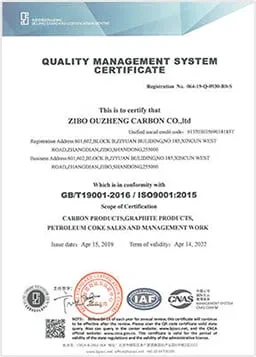
Our Certificate