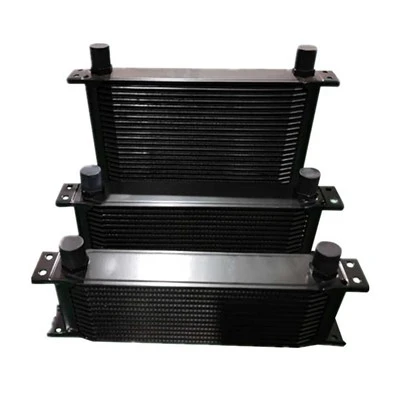
Hey there, fellow car enthusiasts! As a supplier of top - notch aluminum radiators for Jeeps, I've seen my fair share of radiator issues. One common problem that many Jeep owners face is radiator clogging, which can lead to overheating and other serious issues. So, today I'm gonna share with you how to flush a Jeep aluminum radiator properly.
Why Flushing Your Jeep Aluminum Radiator is Important
First off, let's talk about why you need to flush your radiator. Over time, coolant in your radiator can break down, and it may pick up dirt, rust, and other debris. This buildup can block the small channels in your radiator, reducing its ability to cool the engine effectively. If your engine overheats, it can cause major damage, like blown head gaskets or even a cracked engine block. By flushing your radiator regularly, you can keep your engine running cool and avoid costly repairs.
What You'll Need
Before you start the flushing process, make sure you've got all the necessary tools and materials. Here's a list:
- A large bucket or container: You'll need this to catch the old coolant and the water used for flushing.
- A garden hose: To supply water for flushing.
- Radiator flush solution: You can find these at most auto parts stores.
- Safety gear: Gloves and safety goggles to protect yourself from the coolant, which can be harmful.
- A funnel: To help you pour the new coolant into the radiator.
Step - by - Step Guide to Flushing Your Jeep Aluminum Radiator
Step 1: Prepare Your Jeep
First, make sure your Jeep's engine is completely cool. You don't wanna get burned by hot coolant! Park your Jeep on a level surface and engage the parking brake. Open the hood and let it sit for at least an hour if the engine was just running.
Step 2: Drain the Old Coolant
Locate the radiator drain petcock, which is usually at the bottom of the radiator. Place your large bucket or container under the drain petcock. Carefully open the petcock and let the old coolant drain into the container. It might take a few minutes for all the coolant to come out. Be careful, as the coolant can be hot and toxic.
Once all the coolant has drained, close the drain petcock. You should take the used coolant to a recycling center, as it's environmentally unfriendly to dispose of it down the drain.
Step 3: Prepare the Radiator Flush Solution
Follow the instructions on the radiator flush solution bottle. In most cases, you'll need to mix the solution with water. Usually, it's a ratio of one part flush solution to several parts water. Use a clean container to mix the solution.
Step 4: Pour the Flush Solution into the Radiator
Remove the radiator cap (but only when the engine is cool!). Use a funnel to pour the radiator flush solution mixture into the radiator. Fill it up to the appropriate level, usually marked on the radiator itself.
Step 5: Run the Engine
Start your Jeep's engine and let it run for the time recommended on the radiator flush solution bottle. This is usually around 15 - 30 minutes. Make sure the heater is turned on to its highest setting. This allows the flush solution to circulate through the heater core as well, cleaning it out.
Step 6: Drain the Flush Solution
After the recommended time has passed, turn off the engine and let it cool down again. Once it's cool, open the radiator drain petcock and let the flush solution drain into the bucket. You may notice that the solution is dirty, which means it has picked up the debris from the radiator.
Step 7: Flush with Water
Attach your garden hose to the radiator filler neck and turn on the water. Let the water run through the radiator until it comes out clear. This might take a while, so be patient. You can also run the engine for a few minutes during this process to help the water circulate better. Just make sure to turn it off before the water overflows.
Step 8: Refill with Coolant
Once the water runs clear, close the radiator drain petcock. Use a funnel to pour the new coolant into the radiator. You can use a 50/50 mixture of coolant and water, which is suitable for most climates. Fill the radiator up to the recommended level, and then don't forget to top off the coolant reservoir, which is usually a plastic container near the radiator.
Related Products
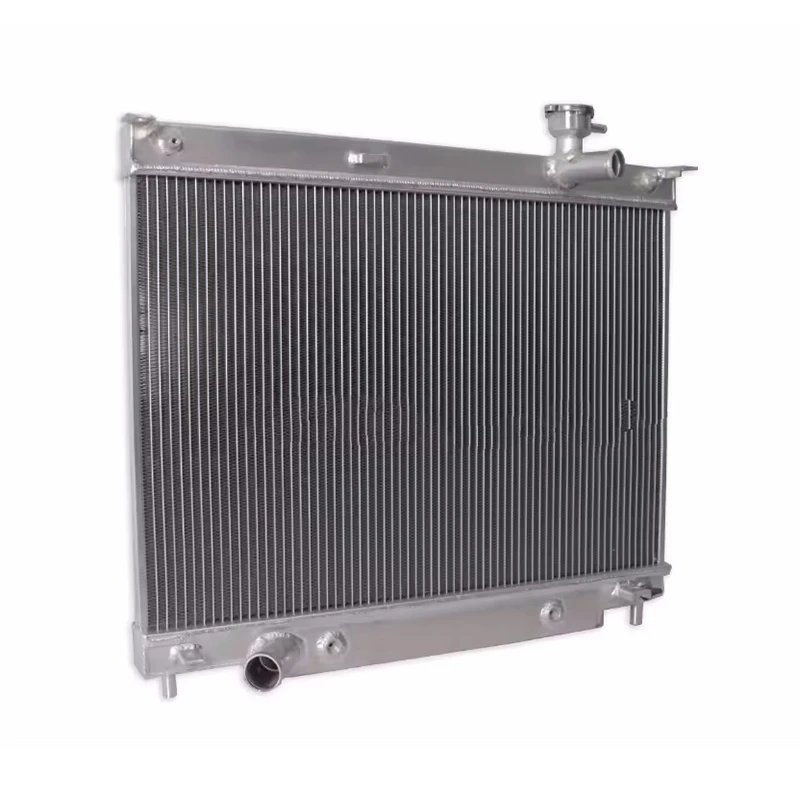
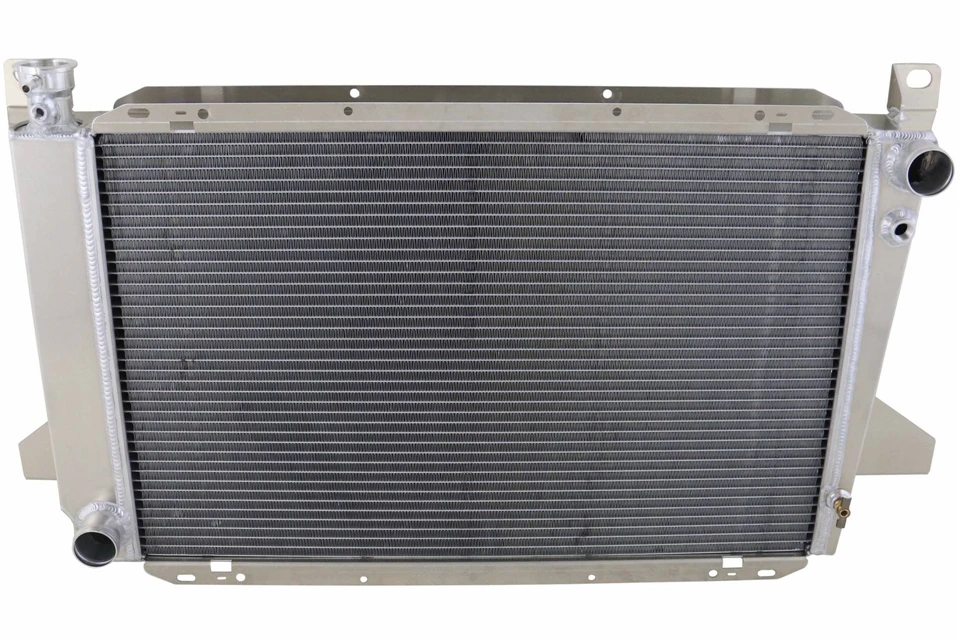
If you're looking to upgrade your Jeep's cooling system or need a new radiator, we've got you covered. Check out our Aluminum Jeep Radiator, designed specifically for Jeeps to ensure optimal cooling performance. We also offer radiators for other vehicles, like the Ford Bronco Aluminum Radiator and the Chevelle Aluminum Radiator.
Maintenance Tips
Flushing your radiator isn't a one - time thing. To keep your engine running smoothly, it's recommended to flush your radiator every 30,000 - 50,000 miles or as your vehicle's manufacturer suggests. Also, check your coolant level regularly, and if you notice any leaks or a decrease in the coolant level, have it checked out right away.
Contact Us for Procurement
If you're interested in purchasing our high - quality aluminum radiators, we're here to help. Whether you've got questions about the product, need advice on installation, or just want to place an order, don't hesitate to reach out. We can offer you great deals and ensure you get the right radiator for your vehicle.
References
- "Automotive Cooling System Handbook" by various automotive experts
- Manufacturer's manuals for Jeep vehicles.