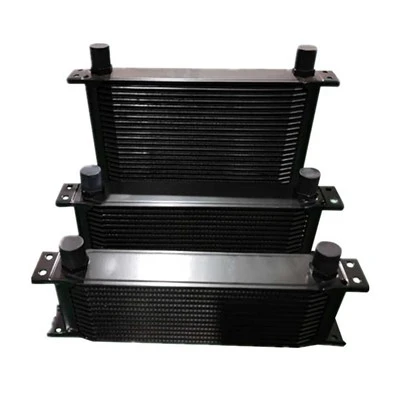
As a supplier specializing in Aluminum Ac Condenser, I often encounter inquiries from customers about the best storage practices for these essential components during the off - season. One of the most frequently asked questions is whether an aluminum ac condenser can be stored outdoors during this period. In this blog, I aim to provide a comprehensive and scientifically - sound answer to this question.
Understanding Aluminum Ac Condensers
Aluminum ac condensers are integral parts of air - conditioning systems. They play a crucial role in the refrigeration cycle by transferring heat from the refrigerant to the outside air. Aluminum is a popular material for condensers due to its excellent thermal conductivity, lightweight nature, and relatively low cost. However, these benefits do not make them immune to environmental factors, especially when it comes to long - term outdoor storage.
Factors to Consider for Outdoor Storage
1. Weather Conditions
-
Rain and Snow: Exposure to rain and snow can lead to the accumulation of water on the condenser. Water can cause corrosion of the aluminum surface over time. Corrosion not only affects the aesthetics of the condenser but also compromises its performance. The corrosion can create a layer of oxide on the aluminum, which reduces its thermal conductivity. As a result, the condenser may not be able to transfer heat as efficiently, leading to reduced cooling capacity of the air - conditioning system.
-
Sunlight: Prolonged exposure to direct sunlight can cause thermal stress on the aluminum condenser. The intense heat can cause the metal to expand and contract repeatedly. Over time, this can lead to structural fatigue, which may result in cracks or leaks in the condenser. Additionally, the UV rays in sunlight can degrade any protective coatings on the condenser, further exposing it to corrosion.


-
Wind and Dust: High - speed winds can carry dust, dirt, and debris, which can accumulate on the condenser coils. A build - up of dirt can obstruct the flow of air through the condenser, reducing its efficiency. Moreover, abrasive particles in the dust can scratch the aluminum surface, which can also accelerate the corrosion process.
2. Chemical Exposure
- Pollution: In industrial or urban areas, the air can contain various pollutants such as sulfur dioxide, nitrogen oxides, and particulate matter. These chemicals can react with the aluminum surface, causing chemical corrosion. For example, sulfur dioxide can react with moisture in the air to form sulfuric acid, which is highly corrosive to aluminum.
- Salt Air: If the condenser is stored near a coastal area, the salt in the air can be particularly damaging. Saltwater is a strong electrolyte that can accelerate the corrosion of aluminum. It can cause pitting corrosion, where small holes form on the surface of the aluminum, which can eventually lead to the failure of the condenser.
Possible Solutions for Outdoor Storage
Despite the challenges, there are ways to store aluminum ac condensers outdoors during the off - season if certain precautions are taken.
1. Protective Covering
Using a high - quality, weather - resistant cover is one of the simplest and most effective ways to protect the condenser. A good cover should be made of a material that is waterproof, UV - resistant, and breathable. A waterproof cover will prevent rain and snow from reaching the condenser, while a UV - resistant cover will protect it from the damaging effects of sunlight. Breathability is important to prevent the build - up of moisture inside the cover, which can lead to condensation and corrosion.
2. Elevated Storage
Storing the condenser on an elevated platform can help prevent water pooling around it. This reduces the risk of water damage and corrosion. The platform should be stable and made of a non - corrosive material. It should also be high enough to keep the condenser out of reach of floodwaters.
3. Regular Inspections
Even with proper protection, it is important to conduct regular inspections of the condenser during the off - season. Check for any signs of damage, such as corrosion, cracks, or loose parts. If any issues are detected early, they can be addressed before they become major problems.
Comparison with Other Aluminum - Based Components
In our product range, we also offer Aluminum Bar Plate Heat Exchanger and Aluminum Condenser Coil. Similar to aluminum ac condensers, these components also have their own storage requirements.
- Aluminum Bar Plate Heat Exchanger: These heat exchangers have a more complex structure compared to ac condensers. Storing them outdoors without proper protection can expose the intricate plate and bar structures to damage from weather and debris. However, with the right protective measures, such as covering and elevated storage, they can also be stored outdoors during the off - season.
- Aluminum Condenser Coil: The thin and delicate nature of condenser coils makes them particularly vulnerable to damage. Outdoor storage can expose them to more risks, such as bending or scratching from wind - blown debris. Therefore, extra care should be taken when storing these coils outdoors, including wrapping them in a soft, protective material before covering.
Conclusion
In conclusion, while it is possible to store an aluminum ac condenser outdoors during the off - season, it requires careful consideration of the environmental factors and the implementation of appropriate protective measures. Without proper precautions, outdoor storage can lead to corrosion, damage, and reduced performance of the condenser.
As a reliable supplier of aluminum ac condensers, we are dedicated to providing high - quality products and professional advice. If you have any questions about the storage of our products or are interested in purchasing Aluminum Ac Condenser, Aluminum Bar Plate Heat Exchanger, or Aluminum Condenser Coil, please feel free to reach out. We are more than happy to assist you in making the best decisions for your needs.
References
- ASHRAE Handbook of Refrigeration.
- Corrosion Handbook, Marcel Decker.
- Aluminum Association Technical Papers.