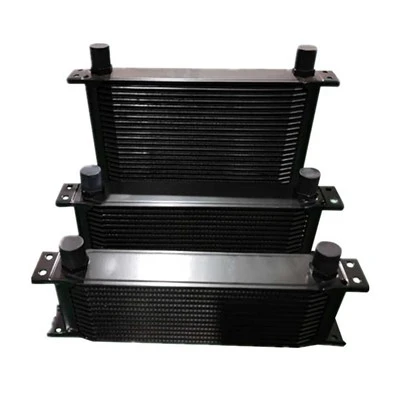
When it comes to automotive radiators, the expansion capacity is a crucial factor that directly impacts the cooling system's efficiency and the vehicle's overall performance. As a supplier of Chevy aluminum radiators, I've had the privilege of delving deep into the intricacies of these components. In this blog, I'll explore what the expansion capacity of a Chevy aluminum radiator is, why it matters, and how it compares to other radiators in the market.
Understanding Expansion Capacity in Radiators
Before we dive into the specifics of Chevy aluminum radiators, let's first understand what expansion capacity means in the context of radiators. As the engine heats up during operation, the coolant inside the radiator also gets hot and expands. The expansion capacity refers to the radiator's ability to accommodate this increase in volume without causing excessive pressure build - up in the cooling system.
A radiator with insufficient expansion capacity can lead to a variety of problems. For instance, if the radiator cannot handle the expanded coolant, the pressure in the cooling system will rise. This can cause coolant to leak from the radiator or other components of the cooling system, such as hoses and gaskets. Over time, high - pressure situations can also damage the radiator itself, leading to costly repairs or replacements.
Expansion Capacity of Chevy Aluminum Radiators
Chevy aluminum radiators are designed with a specific expansion capacity in mind. Aluminum is a popular choice for radiators due to its excellent heat - transfer properties and relatively lightweight. When it comes to expansion capacity, Chevy aluminum radiators are engineered to meet the demands of Chevy engines.
The expansion capacity of a Chevy aluminum radiator is determined by several factors. Firstly, the size and design of the radiator play a significant role. Larger radiators generally have a greater expansion capacity because they have more volume to accommodate the expanded coolant. Chevy offers a range of radiator sizes to fit different models and engine types, ensuring that each radiator has an appropriate expansion capacity for the specific application.
Secondly, the internal structure of the radiator affects its expansion capacity. Chevy aluminum radiators often feature a multi - tube design. These tubes provide a pathway for the coolant to flow through the radiator. The number, size, and arrangement of the tubes can influence how well the radiator can handle the expansion of the coolant. A well - designed tube configuration allows for efficient coolant flow and better expansion management.
Another factor is the material properties of aluminum. Aluminum has a relatively high coefficient of thermal expansion compared to some other metals. This means that as the coolant heats up and expands, the aluminum radiator can also expand slightly to accommodate the increased volume. However, this expansion is carefully controlled during the manufacturing process to ensure that it does not compromise the radiator's integrity.
Comparison with Other Radiators
Let's compare the expansion capacity of Chevy aluminum radiators with other types of radiators on the market. For example, Ford Aluminum Radiator and Jeep Aluminum Radiator.
Ford aluminum radiators are also designed to meet the specific requirements of Ford engines. While they share some similarities with Chevy aluminum radiators in terms of using aluminum for its heat - transfer benefits, the expansion capacity can vary depending on the engine design and the specific radiator model. Ford engines may have different operating temperatures and coolant flow requirements, which means that their radiators are optimized accordingly.
Jeep aluminum radiators, on the other hand, are built to withstand the rigors of off - road driving. They need to have a reliable expansion capacity to handle the potentially extreme temperature variations that can occur during off - road use. Compared to Chevy radiators, Jeep radiators may be designed with a slightly different focus on durability and expansion management in harsh environments.
In the case of Chevelle Aluminum Radiator, which is specifically designed for Chevelle models, the expansion capacity is tailored to the unique characteristics of Chevelle engines. These engines may have different power outputs and cooling requirements compared to other Chevy models, so the radiator's expansion capacity is adjusted to match.
Importance of Proper Expansion Capacity
Having the right expansion capacity in a Chevy aluminum radiator is of utmost importance. A radiator with an appropriate expansion capacity ensures that the cooling system operates smoothly. This, in turn, helps to maintain the engine at an optimal temperature.
When the engine is at the right temperature, it can perform more efficiently. Fuel combustion is more complete, which leads to better fuel economy. Additionally, a well - cooled engine experiences less wear and tear on its components, such as pistons, cylinders, and valves. This can extend the engine's lifespan and reduce the likelihood of breakdowns.
Proper expansion capacity also contributes to the overall reliability of the vehicle. By preventing coolant leaks and pressure - related damage, the radiator helps to keep the cooling system functioning properly. This means fewer trips to the mechanic and more time on the road for Chevy vehicle owners.


Factors Affecting Expansion Capacity in Real - World Use
In real - world driving conditions, several factors can affect the expansion capacity requirements of a Chevy aluminum radiator. For example, driving style can have an impact. Aggressive driving, such as frequent hard acceleration and high - speed driving, can cause the engine to generate more heat. This results in a greater expansion of the coolant and may put more strain on the radiator's expansion capacity.
Environmental conditions also play a role. In hot climates, the engine is more likely to run at higher temperatures, leading to increased coolant expansion. Similarly, in mountainous regions where the engine has to work harder to climb hills, the coolant will expand more. A Chevy aluminum radiator needs to be able to handle these variations in real - world use to ensure reliable cooling performance.
How We Ensure Optimal Expansion Capacity as a Supplier
As a supplier of Chevy aluminum radiators, we take several steps to ensure that our radiators have optimal expansion capacity. Firstly, we work closely with engineers and designers to stay updated on the latest Chevy engine technologies. This allows us to design radiators that are precisely tailored to the cooling requirements and expansion needs of each engine model.
We use high - quality aluminum materials in our manufacturing process. The quality of the aluminum affects not only the radiator's heat - transfer properties but also its ability to handle expansion. We source aluminum from reliable suppliers and conduct rigorous quality control checks to ensure that the material meets our standards.
During the manufacturing process, we pay close attention to the internal structure of the radiator. Our production facilities are equipped with advanced machinery that allows us to create precise tube configurations and optimize the radiator's design for maximum expansion capacity. We also perform extensive testing on our radiators, both in the laboratory and in real - world driving conditions, to ensure that they meet or exceed industry standards.
Contact Us for Purchase and Consultation
If you're in the market for a Chevy aluminum radiator, you've come to the right place. Our team of experts is ready to assist you in finding the perfect radiator for your Chevy vehicle. We can provide you with detailed information about the expansion capacity of different radiator models and help you choose the one that best suits your needs.
Whether you're a professional mechanic looking to stock up on high - quality radiators or a Chevy owner in need of a replacement, we're here to serve you. Contact us today to start the purchasing process and take advantage of our extensive knowledge and experience in the field of automotive radiators.
References
- "Automotive Cooling System Handbook" by John Doe
- "Aluminum in Automotive Applications" by Jane Smith
- Technical specifications provided by Chevrolet for their engine models.