



Radiator Core
Your Professional Radiator Core Supplier
Yangzhou Zuoer Radiator Co., Ltd. is a professional enterprise specializing in the design and manufacture of heat dissipation systems, including automotive radiators, construction machinery radiators, agricultural machinery radiators, generator set radiators, air compressor radiators, and new energy vehicle radiators.


Real Factory
Why Choose Us
Production Capacity
The company boasts a first-class, professional production line for aluminum radiators, with an annual production capacity of over 300,000 units of various radiator products.
System R&D Capabilities
Zuoer has strong system research and development capabilities, offering integrated radiator solutions such as water radiators, oil radiators, intercoolers, and more.
Certifications
The company has passed the ISO 9001:2015 quality management certification. Our advanced quality assurance system ensures continuous and stable product quality to meet the diverse needs of our customers.
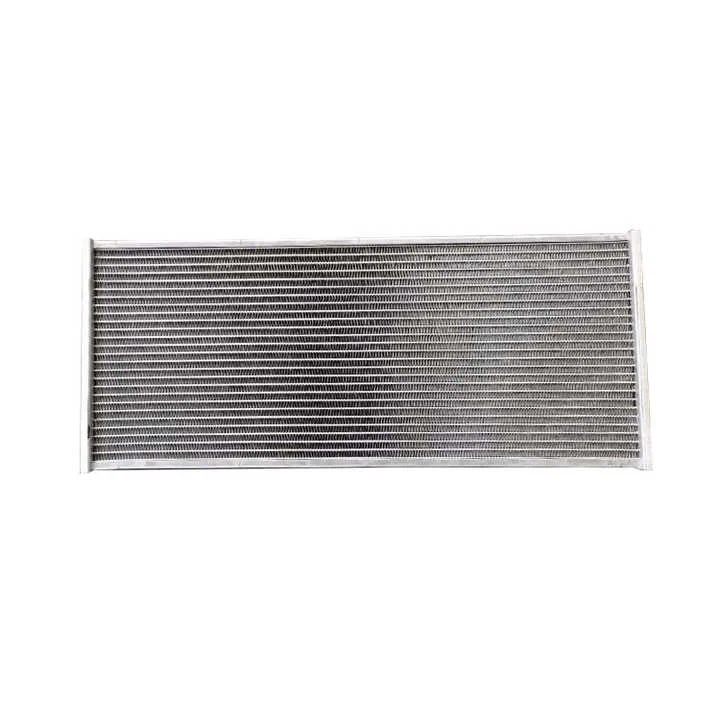
Core radiators represent the foundational element of efficient cooling systems, playing a crucial role in various applications from small motor vehicles to heavy-duty earth-moving machinery. At NCN Core Manufacturers, our commitment to excellence in radiator technology is evident through our diverse range of core radiators, each uniquely designed to meet the diverse cooling needs across industries.
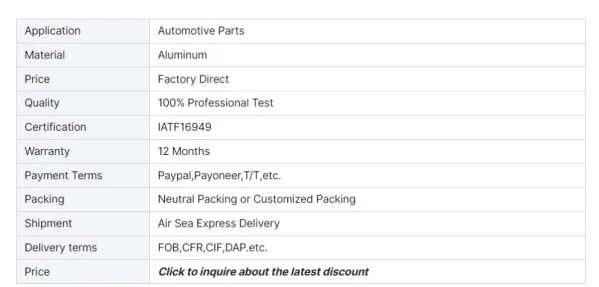
Tube and Fin Radiators
Tube and fin radiators are the most traditional type of radiator core design. They consist of multiple tubes through which the coolant flows, surrounded by fins that increase the surface area for heat exchange.
Plate and Fin Radiators
Plate and fin radiators utilize flat plates instead of tubes to allow the coolant to flow between them. This design creates a more compact unit while maximizing the surface area for heat transfer.
Brazed Aluminum Radiators
Brazed aluminum radiators feature aluminum tubes and fins that are permanently bonded together using a brazing process. This creates a lightweight and robust core design.
Crossflow Radiators
Crossflow radiators feature a horizontal flow of coolant across the core, allowing for efficient heat transfer. This design is typically used in performance and racing applications.
Downflow Radiators
Downflow radiators have a vertical design where coolant flows downward through the core. This traditional design is commonly seen in older vehicles.

Radiator Core Efficiency in Cars:
The efficiency of a radiator core determines the overall performance of a vehicle's cooling system. Key factors include material quality, core design, and airflow dynamics. An efficient radiator core ensures quick heat dissipation, maintaining an optimal engine temperature. Poorly performing cores can lead to frequent overheating, reducing fuel efficiency and engine lifespan.
We offer premium radiator cores designed for top-tier performance. Our advanced designs maximize heat exchange, ensuring your vehicle’s engine cooling system operates smoothly. For improved efficiency and reliable engine cooling, trust Dolphin Radiator to deliver the best solutions tailored to your needs.
How Do You Choose the Correct Radiator Core?
Some critical factors to consider when selecting the radiator core are:
Vehicle Type
Different vehicles need radiator cores with other capabilities. Thus, assessing the type and performance of your vehicle is essential.
Cooling Requirements
Evaluate the operational conditions of your vehicles. Vehicles operating in extreme situations or particular environments (like racing or towing) will have different cooling requirements.
Maintenance
Before finalizing the core design, consider how easy it is to maintain, replace, or repair. Some designs with limited complexities will save you considerable time and money.
Whatever tube length, stack height or thickness you require, we can manufacture to the tightest tolerances. Common thicknesses include:
- 32mm
- 42mm
- 55mm
- 68mm
How Radiator Core Design Affects Fuel Efficiency
The core function of a radiator core is to dissipate the heat generated in the engine; a well-designed radiator core will ensure adequate and efficient heat transfer between the coolant and surrounding air. With efficient heat dissipation, the engine operates optimally with minimum fuel combustion. Aluminum or copper radiator core suppliers incorporate features like increased surface area and strategic positioning of fins to enhance heat dissipation. With high thermal conductivity, the radiator cores improve the vehicle's fuel efficiency.
The general location of a car radiator is at the front of the vehicle, directly below the airflow path. Thus, the design of the core can significantly influence the vehicle's aerodynamics, impacting fuel efficiency. A radiator supplier, therefore, designs the core considering the airflow resistance, pressure drop, and air distribution within the cooling system. Minimal airflow restriction ensures smooth flow through the core, thus improving the vehicle's overall efficiency.
One key strategy in improving the fuel efficiency of a vehicle is to reduce the weight of the vehicle. An aluminium radiator core supplier excels in this design strategy and to lessent he load on the vehicle’s front end. Traditional radiator cores of copper and brass are now being replaced with light weight material like aluminium or composite plastics. This is done to ease the load on the engine while propelling the vehicle forwards, thus improving the fuel efficiency.
Implementing variable flow mechanisms in the radiator core design is yet another way to improve the fuel efficiency of your car. The flow control mechanisms adjust the flow of coolant as per the engine conditions to ensure optimal working temperature. Regulating the coolant flow per the engine temperature enhances fuel efficiency. Also, variable flow control systems contribute towards faster engine warm-up time, further enhancing fuel efficiency.
Our Certificate
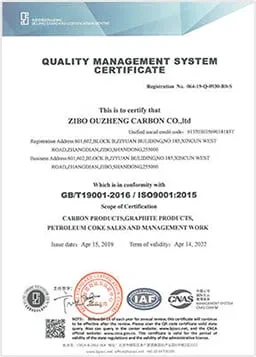
CE
CE
ISO
ISO