
Aluminum Radiators By Structure
Your Leading Yangzhou Zuoer Radiator Co., Ltd. Supplier
Yangzhou Zuoer Radiator Co., Ltd. is located in the Automobile lightweight Industrial Park of Yangzhou Economic Development Zone, Jiangsu Province, China. It is a professional enterprise specializing in the design and manufacture of automotive construction machinery, agricultural machinery, generator sets, air compressors and other heat dissipation systems, water radiators, oil radiators, intercoolers and new energy vehicle radiators.
Why Choose Us
High quality
The company has advanced quality assurance system ensures the continuous and stable product quality and meets the needs of all kinds of customers.
Rich experience
Our company has more than 20 years of production work experience.
Advanced equipment
The company has a first-class professional production line of aluminum radiator products, with all kinds of radiator products.
Technical support
The company has a mature and stable radiator product research and development team.


Real Factory

Aluminum radiators are designed for high-performance cars requiring top performance and feature both an aluminum core and a tank made of aluminum. Aluminum radiators have a great cooling efficiency Due to its high thermal conductivity, aluminum absorbs heat much more quickly.
Benefits of Aluminum Radiators By Structure
Aluminium is energy efficient
The main benefit of an aluminium radiator is that it offers exceptional energy efficiency. This is because aluminium is a great heat conductor, and can heat up a lot more quickly than its steel counterparts. An aluminium radiator also contains much less water than traditional steel radiators, which means that high output aluminium radiators are the norm when you opt for this material.
Aluminium is recyclable
There’s nothing better than knowing your purchase isn’t just cost-efficient, but friendly to the environment too. An infinitely recyclable material, the production of aluminium radiators helps to protect the Earth’s natural resources and limit the need to find and source more metal.
Aluminium is durable
One of aluminium’s best qualities when it comes to radiators is its resistance to rust and corrosion. As an alloy, aluminium is highly unlikely to react with any other materials or chemicals that could damage your radiator, such as rust. This means that an aluminium radiator will last the test of time, and extend the lifespan of your radiator.
Low in price
The price of aluminium radiators is brilliant compared to some of the other materials. As aluminium is so plentiful and recyclable, it means you won’t have to pay an arm and a leg for the rarity of the materials. Due to this, aluminium radiators are some of the most affordable on the market.
Components of Aluminum Radiators By Structure
Core
The core is the largest part of the radiator. It’s a metal block that features the metal cooling fins that help vent the air. The core is where hot liquid releases heat and gets cooled before being sent through the process again.
Pressure cap
The pressure cap works to help seal the cooling system so it can remain pressurized. Coolant in the radiator is pressurized to prevent the coolant from boiling. It also keeps the system more efficient.
Inlet and outlet tanks
These tanks are where coolant flows in and out of the radiator and are located in the radiator head. Hot liquid flows from the engine through the inlet tank, and once it is cooled, goes out through the outlet tank and back into the engine.
Radiator hoses
Coolant moves to and from the engine via the radiator hoses. They are important for connecting the inlet and outlet tanks to the radiator and the engine.
Regular coolant flushes
Over time, coolant accumulates contaminants and loses its effectiveness. Regular flushes, typically every 30,000 to 50,000 miles, remove these impurities and restore the coolant's ability to transfer heat efficiently.
Inspecting for leaks
Leaks in the radiator or its hoses can lead to coolant loss and overheating. Regularly inspect these components for any signs of damage or corrosion. If you notice any leaks, have them repaired promptly to prevent further issues.
Cleaning the radiator
Dirt and debris can accumulate on the radiator's fins, obstructing airflow and reducing its cooling capacity. Use a soft brush or compressed air to gently remove any buildup. Avoid using harsh chemicals or high-pressure water, as they can damage the delicate fins.
Checking the thermostat
The thermostat regulates the flow of coolant through the radiator. A faulty thermostat can prevent the engine from reaching its optimal operating temperature or cause it to overheat. Have the thermostat inspected and replaced if necessary.
Using high-quality coolant
The type of coolant you use plays a significant role in the radiator's performance. Always use the coolant recommended by your vehicle's manufacturer. Avoid mixing different types of coolant, as this can lead to chemical reactions and damage the cooling system.
Monitoring coolant levels
Regularly check the coolant level in the radiator's reservoir. If the level is low, top it off with the appropriate coolant. Low coolant levels can lead to overheating and engine damage.
Avoiding overheating
Overheating is a serious issue that can cause significant damage to your engine. If your car's temperature gauge indicates overheating, pull over immediately and turn off the engine. Allow the engine to cool down before attempting to restart it.
5 Steps to Bleed the Air from Your Car Radiator


Turn off the engine
Your engine needs to be completely cool before you begin. The last thing you want is to suffer burns from hot coolant.
Remove the radiator cap
The radiator cap is typically located at the top of the radiator. In most modern cars, this cap is situated at the highest point of the coolant system so air bubbles naturally accumulate there.
To remove the radiator cap, first wrap it with a thick rag and give it a half-turn anticlockwise. This will allow any residual pressure to escape.
Your radiator may have an overflow tank
Some vehicles have an overflow (also called expansion) tank connected to the radiator. If yours does, remove the cap from the overflow tank using the same method as above. If you have an overflow tank, you’ll be bleeding air from the tank rather than from the radiator directly.
Top up your coolant system
Place the funnel into the radiator filler neck or overflow tank. Use the correct adaptor to ensure a tight seal so the funnel is secure.
Slowly pour the coolant into the funnel. Pour with a steady, slow stream to avoid adding any air bubbles.
Keep pouring until the coolant level reaches the ‘full’ marker on the inside of the overflow tank or until it brims the radiator. Leave the funnel in place.
You can try squeezing the top radiator hose to expel any air trapped inside it.
You can use your bleed valve to ensure the engine cooling system is full
This is an optional step since a bleed valve is not included on all radiator types. It looks like a little screw sticking out of the radiator, but its location differs by make and model. You may be able to use your owner’s manual to locate your car’s bleed valve.
The purpose of the bleed valve is to bleed air and release pressure from the cooling system.
To use the bleed valve, loosen it (but do not remove it completely) and then begin to top up your coolant. As the added coolant enters the system, you may hear air escaping from the valve. Then, coolant will start to sputter out of it. Keep topping up slowly.
When the coolant starts to pour out of the bleed valve in a steady stream, tighten the valve again. At this point, your system is full and has little or even no air in it.
Run your engine and burp the coolant
Clear away any tools or rags from around the engine, leaving the funnel in place and secure.Turn on your car’s engine and set the A/C to its hottest setting.
This will allow the coolant to cycle through the engine and entire cooling system while bringing any trapped air to the top.
Any air in your system should bubble up and ‘burp’ out of the funnel.
You will need to keep your engine running for a few minutes. Rev your engine to about 3,000 RPMs occasionally to help dislodge and push out any trapped air.
Keep a close eye on the coolant level in the funnel. It may rise, as coolant expands under heat and pressure, or it may drop as it cycles and air bubbles escape.
If your coolant level drops below full, top it up with more coolant and continue the burping process.
Shut off the engine and top upof the coolant
Your coolant level should stop fluctuating and even out. Once that happens, turn off the car engine and let it cool down completely.
Once your engine is cool, your coolant level might drop. Top it up taking care not to overfill.
Remove the funnel and replace the radiator cap.
Pro tip: If you’re using a professional radiator funnel kit, it should come with a funnel stop. You can use it to block the funnel before removing it from your radiator, so that no fluid spills. If you don’t have a funnel stop, be ready to catch any spills.
If you look closely at the radiator, you may notice a smaller, similar looking part mounted near the large one. In vehicles equipped with one, this is the transmission cooler. Its purpose is to cool transmission fluid by allowing that fluid to pass through, shed its heat to the outside air, and return to the transmission to repeat the process.
Some vehicles integrate the transmission fluid cooling into the vehicle's radiator, and in other vehicles, power steering fluid or A/C system components may be cooled through separate devices.
Another vehicle part on most vehicles that's essentially a third radiator is one that's not as readily visible or accessible as the main radiator at the front of the engine. It's the heater core, and it has an equally important role – providing the heat needed to defrost windows and keep passengers warm.
The heater core works by way of a blower motor forcing air over the core, pushing the now-heated air into the passenger compartment. Because the heater core shares coolant with the main radiator, a low coolant level in the cooling system can lead to there not being enough to supply the heater core and generate heat.
Usually only the main radiator requires preventive maintenance in the form of checking the coolant level and changing it at regular intervals.
A Step-by-step Guide to Replacing Your Radiator
Step 1: Preparation
Ensure that your vehicle is parked on a flat and stable surface. Engage the parking brake and, if necessary, place wheel chocks to prevent any movement.
Allow the vehicle engine to cool down completely before starting any work on the cooling system. Working on a hot engine can result in burns or other injuries.
Step 2: Drain the cooling system
Locate your radiator drain valve at the bottom of the radiator. Place the drain pan beneath it.
Open the drain valve and allow the coolant to drain completely. Be cautious, as the coolant may still be hot.
Once the coolant has drained, securely close the drain valve.
Step 3: Remove components connected to the radiator
Begin by disconnecting the negative terminal of the battery to avoid any electrical mishaps.
Remove any necessary components that obstruct access to the radiator, such as the fan shroud, hoses, and electrical connectors. Take pictures or make notes to ensure proper reinstallation later.
Step 4: Disconnect the radiator
Locate the upper radiator hose and the lower radiator hose connected to the radiator. Use hose clamp pliers to loosen and remove the clamps, then carefully detach the hoses.
Disconnect any transmission cooler lines, if applicable, by loosening the fittings and allowing the radiator fluid to drain into a separate container.
Remove any remaining cooling fan mounting bolts or brackets securing the radiator to the vehicle's frame or support structure.
With all connections removed, gently lift the radiator out of its mounting position, taking care not to damage surrounding components.
Step 5: Install the new radiator
Position the new radiator in place, aligning it with the mounting points and ensuring a proper fit.
Reattach any bolts or brackets that secure the radiator to the vehicle's frame or support structure.
Reconnect the upper and lower radiator hoses, ensuring they are securely fastened with new clamps.
If your vehicle has transmission cooler lines, reconnect them using new fittings and ensure a proper seal.
Reinstall any components that were removed during the disassembly process, such as the fan shroud, hoses, and electrical connectors. Refer to the pictures or notes taken earlier to ensure correct placement.
Double-check all connections and fittings to ensure they are secure and properly tightened.
Step 6: Refill the cooling system
Refer to your vehicle's owner's manual or consult an expert to determine the recommended coolant type and quantity.
Fill the radiator with the appropriate coolant, pouring it slowly to avoid air pockets. If necessary, use a funnel to prevent spills.
Start the engine and let it run with the radiator cap off. This will allow the engine coolant to circulate and help release any trapped air bubbles.
Continuously monitor the coolant level and add more as needed until it reaches the recommended level.
Once the coolant level stabilizes, replace the radiator cap.
Step 7: Test the cooling system
Start the engine and allow it to run for several minutes, keeping an eye on the temperature gauge. Ensure that the temperature remains within the normal operating range.
Check for any signs of coolant leaks or unusual noises. If any issues are detected, immediately turn off the engine and address the problem before continuing.
It is a professional enterprise specializing in the design and manufacture of automotive construction machinery, agricultural machinery, generator sets, air compressors and other heat dissipation systems, water radiators, oil radiators, intercoolers and new energy vehicle radiators.


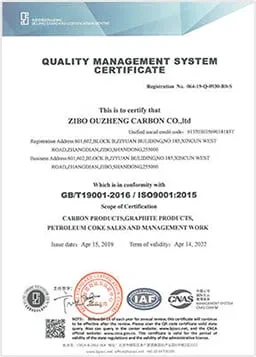
Our Certificate