


Full Aluminum Radiator
Your Professional Full Aluminum Radiator Supplier
Yangzhou Zuoer Radiator Co., Ltd. is a professional enterprise specializing in the design and manufacture of heat dissipation systems, including automotive radiators, construction machinery radiators, agricultural machinery radiators, generator set radiators, air compressor radiators, and new energy vehicle radiators.


Real Factory
Why Choose Us
Production Capacity
The company boasts a first-class, professional production line for aluminum radiators, with an annual production capacity of over 300,000 units of various radiator products.
System R&D Capabilities
Zuoer has strong system research and development capabilities, offering integrated radiator solutions such as water radiators, oil radiators, intercoolers, and more.
Certifications
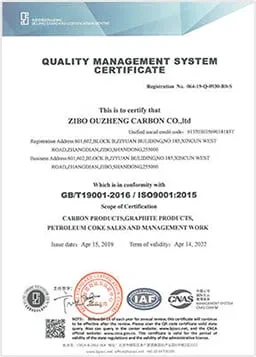
The company has passed the ISO 9001:2015 quality management certification. Our advanced quality assurance system ensures continuous and stable product quality to meet the diverse needs of our customers.

Features
Made from Aircraft AA5052 grade aluminum for prolonged life span with raw aluminum finish.
1
>>
Brazed core technology to guarantee optimum performance and dependability.
2
>>
All AA5052 Aluminum 2mm thick tanks and fittings,Ensure it's hard and durable.
3
>>
Billet Aluminum CNC machined fill neck rugged and durable.
4
>>
Carefully crafted to exceptional OE standards for precise fit.
5
Benefits of Aluminum Radiator 3 Row
Enhanced Cooling Performance
The triple-row configuration increases the amount of heat that can be dissipated, ensuring optimal engine operating temperatures even under stress.
Lightweight Construction
Aluminum is significantly lighter than materials like copper-brass, reducing overall vehicle weight and improving fuel efficiency.
Corrosion Resistance
Aluminum naturally forms a protective oxide layer, making these radiators highly resistant to rust and degradation over time.
Durability
With proper maintenance, aluminum radiators can last the lifetime of the vehicle due to their robust construction and resistance to wear.
Easy Maintenance
These radiators are less prone to clogging and easier to clean thanks to their open fin design and corrosion-resistant properties.
Compact Design
Despite their improved performance, 3-row aluminum radiators often maintain a compact footprint, fitting into tight engine compartments without sacrificing space.
Versatility
They are suitable for a wide range of applications including passenger cars, trucks, racing vehicles, and industrial machinery.
Eco-Friendly
Aluminum is recyclable, making these radiators a more sustainable choice for environmentally conscious consumers.
Cost Efficiency
Although initially more expensive, their longevity and reduced need for replacement make them a cost-effective option in the long run.
Aluminum has become the preferred material for modern automotive radiators due to several key characteristics:
Superior Thermal Conductivity
Aluminum conducts heat approximately 4 times faster than steel and twice as fast as brass, enabling rapid heat dissipation from the engine coolant.
Exceptional Strength-to-Weight Ratio
Despite being lightweight, aluminum maintains the structural strength needed to withstand pressure fluctuations and mechanical stress within the cooling system.
Natural Corrosion Resistance
Unlike ferrous metals, aluminum doesn't rust. Even in humid environments or when exposed to road salts, aluminum radiators maintain their integrity far better than older metal types.
Manufacturing Advantages:
Modern production techniques allow for precise fabrication of thin-walled tubing and intricate core designs, maximizing efficiency while minimizing material use.
Cost Benefits Over Time
While the initial investment may be higher than some alternatives, the extended service life and reduced maintenance requirements provide significant long-term savings.

Understanding Key Specifications
The performance and compatibility of a 3-row aluminum auto radiator are determined by several critical specifications. These parameters ensure the radiator functions efficiently within your vehicle’s cooling system while maintaining structural integrity and thermal efficiency.
Core Size
The core size refers to the internal dimensions of the radiator — specifically its width, height, and thickness. This measurement directly affects how much surface area is available for heat dissipation. A larger core allows for more coolant flow and greater exposure to airflow, resulting in improved cooling efficiency.
In a 3-row design, each additional row increases the number of coolant-carrying tubes, enhancing heat transfer capabilities without significantly increasing the overall footprint of the radiator.
Overall Dimensions
While the core size defines internal capacity, the overall dimensions include external components such as side tanks, mounting brackets, and inlet/outlet ports. These measurements are crucial when selecting a radiator to ensure it fits precisely into the designated space within the engine bay.
Misalignment or incorrect dimensions can lead to installation issues, improper sealing, and compromised cooling performance. Always cross-reference OEM specifications before purchasing a replacement radiator.
Inlet and Outlet Port Sizes
The inlet and outlet ports connect the radiator to the rest of the cooling system via hoses. Their diameter must match the hose fittings exactly to prevent leaks and maintain proper coolant flow.
These ports are typically cylindrical but may vary in size depending on the vehicle model and engine configuration. Common sizes range from 1.25 inches to 2 inches in diameter, though variations exist based on manufacturer standards.
Fin and Tube Design
A 3-row aluminum radiator features multiple rows of coolant-carrying tubes connected to a series of thin metal fins. The tubes can be round, oval, or flat, with oval being the most common due to increased surface area and better airflow characteristics.
Fins increase the radiator's surface area, allowing faster heat dissipation. Fin density (measured in fins per inch) and material quality play a significant role in thermal performance and durability.
Mounting Points
Mounting points refer to the brackets, holes, and fastening locations used to secure the radiator within the vehicle. These must align perfectly with the car's existing mounting structure to ensure stability and prevent vibration-related damage.
Improperly mounted radiators can shift during driving, leading to stress fractures, leaks, or disconnections in the cooling system. Always verify that replacement radiators have identical mounting configurations to the original unit.
Cooling Capacity
This specification indicates how effectively the radiator can dissipate heat, usually measured in horsepower (HP) or kilowatts (kW). A higher rating means the radiator can handle more heat load, making it suitable for high-performance engines or vehicles operating under heavy loads.
Three-row aluminum radiators offer superior cooling capacity compared to single or dual-row models, making them ideal for performance upgrades, towing applications, or hot climate conditions.
|
Specification |
Impact on Performance |
Selection Tips |
|
Tube Diameter |
High |
Larger diameters allow more coolant flow; oval tubes provide better airflow and heat exchange than round ones |
|
Fin Density |
Medium |
Higher fin density improves cooling but may reduce airflow in dusty environments; aim for 14–18 fins per inch |
|
Material Grade |
High |
Use aircraft-grade aluminum for maximum corrosion resistance and thermal conductivity |
|
Pressure Cap Rating |
Medium |
Match the pressure rating to your cooling system; typical ratings range from 13–16 psi |
Our Certificate
CE
CE
ISO
ISO