How does the coolant type (for air - to - water) affect the longevity of an aluminum intercooler?
As a dedicated supplier of aluminum intercoolers, I've witnessed firsthand the pivotal role that coolant type plays in determining the longevity of these essential components. In this blog post, I'll delve into the intricate relationship between coolant selection and the lifespan of an aluminum intercooler, exploring the scientific principles at work and providing practical insights for optimal performance.
Understanding the Basics of Air - to - Water Intercooling
Before we dive into the impact of coolant type, let's briefly review how air - to - water intercoolers function. These intercoolers are designed to reduce the temperature of the compressed air exiting the turbocharger or supercharger before it enters the engine. By lowering the air temperature, the intercooler increases the air density, which in turn improves engine efficiency and power output.
In an air - to - water intercooler, a coolant circulates through a series of passages within the intercooler core. As the hot compressed air passes over these passages, heat is transferred from the air to the coolant. The coolant then carries the heat away to a radiator, where it is dissipated into the surrounding air.
The Importance of Coolant Selection
The choice of coolant can have a profound impact on the longevity of an aluminum intercooler. Aluminum is a highly reactive metal, and certain coolants can cause corrosion and other forms of damage over time. Here are some key factors to consider when selecting a coolant for an air - to - water intercooler:
pH Level
The pH level of a coolant is a measure of its acidity or alkalinity. Aluminum is most stable in a slightly alkaline environment, with a pH range of 7.5 to 8.5. Coolants with a pH outside of this range can cause corrosion of the aluminum surfaces. For example, acidic coolants can dissolve the protective oxide layer on the aluminum, exposing it to further corrosion. On the other hand, highly alkaline coolants can also react with the aluminum, leading to the formation of deposits and other issues.
Corrosion Inhibitors
Corrosion inhibitors are additives that are included in coolants to protect the metal components from corrosion. Different types of corrosion inhibitors work in different ways, but they generally form a protective layer on the metal surface, preventing the coolant from coming into direct contact with the metal. When selecting a coolant for an aluminum intercooler, it's important to choose one that contains effective corrosion inhibitors specifically designed for aluminum.
Compatibility with Other Materials
In addition to the aluminum intercooler, the coolant also comes into contact with other materials in the cooling system, such as rubber hoses and gaskets. It's important to choose a coolant that is compatible with these materials to avoid any chemical reactions or degradation. Some coolants may contain additives that can cause rubber to swell or become brittle over time, leading to leaks and other problems.
Common Coolant Types and Their Effects on Aluminum Intercoolers
Now, let's take a closer look at some common coolant types and how they affect the longevity of an aluminum intercooler:
Ethylene Glycol - Based Coolants
Ethylene glycol is a widely used coolant base that provides excellent heat transfer properties and freeze protection. However, ethylene glycol alone can be corrosive to aluminum, especially in the presence of oxygen. To prevent corrosion, most ethylene glycol - based coolants contain corrosion inhibitors. When properly formulated, these coolants can provide good protection for aluminum intercoolers. However, over time, the corrosion inhibitors can break down, reducing their effectiveness. It's important to regularly check the coolant level and condition and replace it as recommended by the manufacturer.
Propylene Glycol - Based Coolants
Propylene glycol is a less toxic alternative to ethylene glycol. It has similar heat transfer properties but is generally considered to be less corrosive to aluminum. Propylene glycol - based coolants also typically contain corrosion inhibitors, which help to protect the aluminum intercooler. These coolants are often used in applications where there is a higher risk of coolant leakage, such as in automotive and marine systems.
Organic Acid Technology (OAT) Coolants
OAT coolants are a newer type of coolant that uses organic acids as corrosion inhibitors. These coolants offer long - term protection for aluminum and other metals in the cooling system. OAT coolants are known for their extended service life and compatibility with a wide range of materials. They also tend to be more environmentally friendly than traditional coolants. However, OAT coolants can be more expensive than other types of coolants.
Hybrid Organic Acid Technology (HOAT) Coolants
HOAT coolants combine the benefits of OAT and traditional coolants. They contain a mixture of organic acids and inorganic corrosion inhibitors, providing good protection for aluminum intercoolers while also being compatible with a variety of cooling system materials. HOAT coolants are a popular choice for many automotive applications.
Maintaining the Coolant for Optimal Intercooler Longevity
Regardless of the coolant type you choose, proper maintenance is essential to ensure the longevity of your aluminum intercooler. Here are some tips for maintaining the coolant:
- Regularly Check the Coolant Level: Make sure the coolant level is within the recommended range. Low coolant levels can lead to overheating and reduced performance of the intercooler.
- Inspect the Coolant Condition: Check the coolant for signs of contamination, such as dirt, debris, or discoloration. If the coolant appears dirty or has a strange odor, it may need to be replaced.
- Follow the Manufacturer's Recommendations: Refer to the vehicle or equipment manufacturer's recommendations for coolant replacement intervals. Over time, the corrosion inhibitors in the coolant can break down, so it's important to replace the coolant at the recommended intervals to maintain its effectiveness.
- Use the Right Coolant: Always use the coolant type recommended by the manufacturer. Using the wrong coolant can cause corrosion and other problems.
Conclusion
The type of coolant used in an air - to - water intercooler can have a significant impact on its longevity. By understanding the properties of different coolant types and choosing the right one for your application, you can ensure that your aluminum intercooler operates efficiently and lasts for a long time.
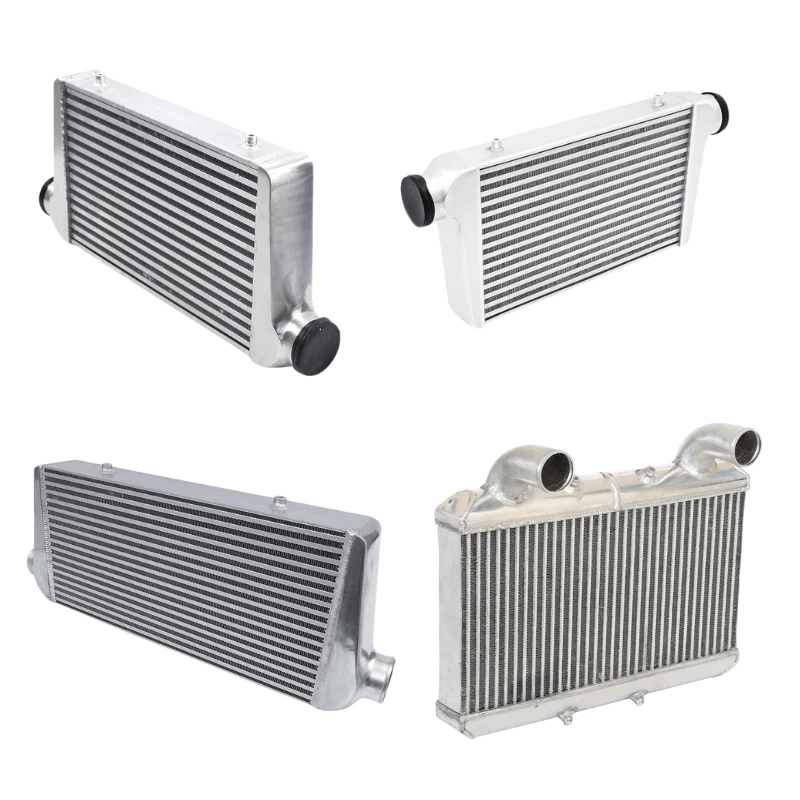
If you're in the market for a high - quality aluminum intercooler, we invite you to explore our product range. We offer a wide selection of All Aluminum Intercooler, Intercooler Aluminium, and Aluminum Intercooler Core products that are designed to meet the highest standards of performance and durability.

If you have any questions or would like to discuss your specific requirements, please don't hesitate to reach out. We're here to help you make the best choice for your cooling system and ensure that you get the most out of your aluminum intercooler.
References
- Cooling System Handbook, SAE International
- Automotive Cooling System Design and Analysis, Society of Automotive Engineers
- Corrosion of Aluminum in Engine Coolants, Journal of Materials Science and Technology