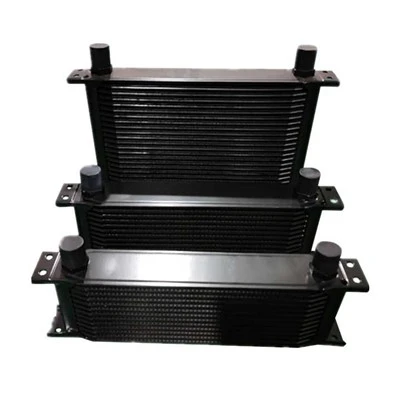
As a supplier of racing aluminum radiators, I've encountered numerous situations where customers face problems with their radiators. Troubleshooting these issues is crucial to ensure the optimal performance of racing vehicles. In this blog, I'll share some effective ways to troubleshoot problems with a racing aluminum radiator.
1. Overheating Issues
One of the most common problems with racing aluminum radiators is overheating. This can be caused by several factors, and identifying the root cause is the first step in troubleshooting.
Insufficient Coolant Level
The first thing to check when facing overheating is the coolant level. Low coolant levels can significantly reduce the radiator's ability to dissipate heat. To check the coolant level, make sure the engine is cool. Locate the coolant reservoir, which is usually a translucent plastic container near the radiator. The coolant level should be between the "min" and "max" marks on the reservoir. If it's below the "min" mark, add the appropriate coolant mixture. It's important to use the coolant recommended by the radiator manufacturer. For example, some racing aluminum radiators may require a specific type of high - performance coolant.
Clogged Radiator Fins
Racing conditions expose the radiator to a lot of dirt, debris, and bugs. These can clog the radiator fins, reducing the airflow through the radiator and thus its cooling efficiency. To check for clogged fins, visually inspect the radiator. You can use a flashlight to get a better view. If you notice a significant amount of debris, you can clean the fins using a soft - bristled brush and compressed air. Start by gently brushing away the large debris, and then use the compressed air to blow out the smaller particles. Be careful not to bend the fins during the cleaning process.
Malfunctioning Water Pump
The water pump is responsible for circulating the coolant through the radiator and the engine. A malfunctioning water pump can cause poor coolant circulation, leading to overheating. Signs of a bad water pump include coolant leaks around the water pump, unusual noises coming from the water pump area, or visible damage to the water pump impeller. If you suspect a problem with the water pump, it's best to have it inspected and replaced by a professional mechanic.
2. Coolant Leaks
Coolant leaks are another common problem with racing aluminum radiators. Leaks can lead to a loss of coolant, which in turn can cause overheating.
Cracks in the Radiator Core
Cracks in the radiator core can occur due to physical damage, such as impacts during racing or thermal stress. To check for cracks, visually inspect the radiator core. Look for any signs of coolant seepage or visible cracks on the surface of the core. Small cracks can sometimes be repaired using radiator sealants, but larger cracks may require the replacement of the radiator. When using a radiator sealant, make sure to follow the manufacturer's instructions carefully.
Loose or Damaged Hoses
The hoses that connect the radiator to the engine and other components can become loose or damaged over time. Check the hoses for any signs of wear, such as cracks, bulges, or soft spots. Also, make sure the hose clamps are tight. If you find a damaged hose, replace it immediately. When installing a new hose, make sure it is the correct size and type for your radiator.


Faulty Radiator Cap
A faulty radiator cap can cause coolant to leak from the radiator. The radiator cap is designed to maintain the correct pressure in the cooling system. If the cap is not sealing properly, coolant can escape. To check the radiator cap, remove it and inspect it for any signs of damage, such as a worn - out gasket. You can also test the cap using a radiator cap tester, which is available at most auto parts stores. If the cap fails the test, replace it with a new one.
3. Poor Heat Dissipation
Even if the radiator is not overheating or leaking, it may still be experiencing poor heat dissipation, which can affect the overall performance of the vehicle.
Incorrect Radiator Size
Using a radiator that is too small for the engine can result in poor heat dissipation. When choosing a racing aluminum radiator, it's important to select one that is appropriately sized for your engine's power output. For example, high - performance racing engines generate more heat and require a larger radiator to dissipate that heat effectively. Consider consulting with a radiator expert or referring to the manufacturer's specifications to ensure you have the right size radiator.
Ineffective Fan Operation
The radiator fan plays a crucial role in maintaining proper airflow through the radiator, especially when the vehicle is stationary or moving at low speeds. Check the fan for any signs of damage, such as broken blades or a malfunctioning motor. You can also test the fan's operation by turning on the engine and waiting for the coolant temperature to rise. The fan should turn on automatically when the coolant reaches a certain temperature. If the fan doesn't turn on, check the fan relay, fuse, and wiring for any issues.
4. Specific Brands of Racing Aluminum Radiators
There are several well - known brands of racing aluminum radiators in the market, each with its own unique features and potential issues.
Afco Aluminum Racing Radiator
The Afco Aluminum Racing Radiator is known for its high - performance design. However, like any radiator, it can face problems. Some users may experience issues with the radiator's mounting brackets, which can become loose over time due to the vibrations of racing. Regularly check the mounting brackets and tighten them if necessary.
Summit Racing Aluminum Radiator
The Summit Racing Aluminum Radiator is popular for its affordability and reliability. One potential problem with this radiator is the quality of the radiator hoses that come with it. Some users have reported that the hoses can degrade over time, leading to coolant leaks. Make sure to inspect the hoses regularly and replace them if needed.
Griffin Aluminum Racing Radiator
The Griffin Aluminum Racing Radiator is known for its advanced cooling technology. However, the radiator's complex design may make it more difficult to clean the internal passages. If you notice a decrease in cooling performance, it's possible that the internal passages are clogged. Consider using a radiator flush solution to clean the internal passages, following the manufacturer's instructions.
Conclusion
Troubleshooting problems with a racing aluminum radiator requires a systematic approach. By checking for common issues such as overheating, coolant leaks, poor heat dissipation, and being aware of potential problems with specific brands, you can ensure the optimal performance of your radiator. If you're unsure about any aspect of radiator troubleshooting, don't hesitate to seek professional help.
As a supplier of racing aluminum radiators, we are committed to providing high - quality products and excellent customer service. If you're facing any problems with your radiator or are interested in purchasing a new racing aluminum radiator, we'd love to have a conversation with you. Contact us to discuss your specific needs and requirements, and let's work together to keep your racing vehicle running at its best.
References
- "Automotive Cooling Systems: Principles and Practice" by John Dolan
- "Racing Radiator Handbook" by Performance Racing Industry