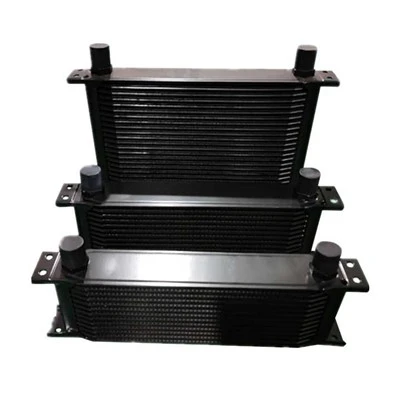
Picking the ideal Chevelle aluminum radiator for your engine specs ain't no walk in the park. But don't sweat it; I've got your back. As a supplier of Chevelle aluminum radiators, I've seen it all and know exactly what it takes to make the right choice.
First off, let's talk about why aluminum radiators are the bomb. Aluminum is lightweight, which is a huge plus. It helps reduce the overall weight of your vehicle, which can improve performance and fuel efficiency. Plus, aluminum is highly resistant to corrosion, so your radiator will last longer. It also has excellent heat transfer properties, meaning it can cool your engine more effectively than other materials.
Now, onto the nitty - gritty of choosing the right radiator for your engine. The most important thing is to know your engine's specifications. You need to know the engine size, horsepower, and the type of driving you'll be doing. These factors will determine the cooling capacity you need.
Engine Size and Horsepower
The size of your engine is a key factor. Generally, larger engines produce more heat and require a radiator with a higher cooling capacity. For example, if you've got a big - block V8 in your Chevelle, you'll need a radiator that can handle the extra heat. Horsepower also plays a role. High - horsepower engines generate a ton of heat, especially when you're pushing them hard on the track or during spirited driving.
Let's say you've got a 350 cubic - inch small - block V8 with around 300 horsepower. You'll need a radiator that can dissipate the heat generated by this engine under normal driving conditions. A radiator with a good core size and efficient design will do the trick. But if you've boosted that engine to 400 or 500 horsepower, you'll definitely need to step up to a radiator with a larger core and better cooling capabilities.
Type of Driving
The way you drive your Chevelle also affects the radiator you choose. If you're mainly using your car for daily commuting, a standard radiator might be sufficient. These radiators are designed to handle normal driving conditions, with stop - and - go traffic and relatively moderate speeds.
However, if you're into racing or high - performance driving, you'll need a radiator that can keep up. Racing puts a lot of stress on the engine, causing it to heat up quickly. In this case, you'll want a radiator with enhanced cooling features, like a thicker core, more rows of tubes, and better fin design. These features allow the radiator to transfer heat more efficiently and keep your engine cool even under extreme conditions.
For example, if you're participating in drag racing, your engine will be under full throttle for short bursts. This generates a massive amount of heat in a short period. A radiator with a large coolant capacity and a high - flow design will help keep your engine from overheating during these intense moments. On the other hand, if you're into road racing, where you're driving at high speeds for longer periods, you'll need a radiator that can maintain consistent cooling.
Core Size and Design
The core of the radiator is where the magic happens. It's responsible for transferring heat from the coolant to the air. The size and design of the core are crucial for effective cooling.
The core size is typically measured in inches and refers to the height, width, and thickness of the core. A larger core generally means more surface area for heat transfer. However, it's not just about size; the design of the core also matters. Radiators come with different tube and fin configurations.
Tube and Fin Configurations
Tubes are the channels through which the coolant flows, and fins are attached to the tubes to increase the surface area for heat transfer. There are different types of tubes, such as round tubes and oval tubes. Oval tubes are often more efficient because they offer a larger surface area for heat transfer compared to round tubes.
The number of rows of tubes also affects cooling performance. Radiators can have two, three, or even four rows of tubes. More rows generally mean better cooling, but it can also increase the weight and cost of the radiator. For most street - driven Chevelles, a two - or three - row radiator is usually sufficient. But for high - performance applications, a four - row radiator might be the way to go.
The fin design is also important. Fins come in different shapes and sizes, and some are more efficient than others. Louvered fins, for example, are designed to disrupt the airflow and increase the heat transfer rate. They work by creating turbulence in the air passing over the fins, which helps to draw heat away from the tubes more effectively.
Other Considerations
In addition to the factors mentioned above, there are a few other things to keep in mind when choosing a Chevelle aluminum radiator.
Coolant Flow
The flow of coolant through the radiator is essential for proper cooling. A radiator with a good coolant flow design will ensure that the coolant circulates evenly and efficiently. This helps to prevent hot spots in the engine and ensures that all parts of the radiator are working effectively.
Some radiators come with features like baffles or directional fins to improve coolant flow. These features can make a big difference, especially in high - performance applications where the coolant needs to move quickly through the radiator to dissipate heat.


Mounting and Fitment
It's important to choose a radiator that fits your Chevelle properly. Radiators come in different shapes and sizes, and you need to make sure that the one you choose will fit into your car's engine bay without any modifications. Check the mounting points and dimensions of the radiator to ensure a proper fit.
Some radiators are designed to be direct replacements for the original radiator in your Chevelle. These are usually the easiest to install and ensure that everything lines up correctly. However, if you've made modifications to your engine or the engine bay, you might need a custom - fit radiator.
Compatibility with Other Cooling Components
Your radiator doesn't work alone. It needs to be compatible with other cooling components in your car, such as the water pump, thermostat, and fans. The water pump circulates the coolant through the engine and the radiator. If the water pump isn't pumping enough coolant, even the best radiator won't be able to keep your engine cool.
The thermostat regulates the temperature of the coolant. It opens and closes to control the flow of coolant through the radiator. Make sure that the thermostat you're using is compatible with your radiator and engine.
Fans are also important for cooling, especially when your car is stationary or moving at low speeds. Electric fans or mechanical fans can help to draw air through the radiator and improve cooling performance. Choose fans that are compatible with your radiator and can provide enough airflow.
Our Product Range
As a supplier, we offer a wide range of Chevelle aluminum radiators to suit different engine specs and driving needs. Whether you've got a stock Chevelle or a high - performance build, we've got you covered.
We also have radiators for other American cars. Check out our Ford Aluminum Radiator, Aluminum Jeep Radiator, and Ford Bronco Aluminum Radiator if you're interested in these vehicles.
Conclusion
Choosing the right Chevelle aluminum radiator for your engine specs is a process that requires careful consideration of several factors. Engine size, horsepower, type of driving, core size and design, and compatibility with other cooling components all play a role.
If you're still unsure about which radiator is right for your Chevelle, don't hesitate to reach out. We're here to help you make the best choice for your vehicle. Whether you're a daily driver or a racing enthusiast, we can provide you with a radiator that will keep your engine cool and running smoothly. Contact us today to discuss your requirements and start the procurement process.
References
- "Automotive Cooling Systems" by Jack Erjavec. This book provides in - depth knowledge about automotive cooling systems, including radiator design and function.
- Various industry publications on high - performance automotive parts, which offer insights into the latest trends and technologies in radiator design for different types of engines.