


What overseas customers have told me about supplier badges, low prices, specifications, testing, packaging, and claims
By Tania | Senior Customer Advisor, Yangzhou Zuoer Radiator Co., Ltd. | Updated August 2026
I'm Tania, a senior customer advisor at Yangzhou Zuoer Radiator Co., Ltd. I speak with overseas distributors, parts buyers, repair specialists, and custom-project customers about aluminum radiators. The problems below are recurring issues customers have described to me after sourcing from different suppliers in China.
These are not invented case studies or claims about one named company. I have combined repeated customer conversations and removed identifying details. My purpose is to show where communication and purchasing controls often fail, then explain what I ask buyers to confirm before production.
My main advice is simple: do not approve a supplier from a badge, a low price, or a polished product photo. Approve the technical baseline, sample strategy, test method, inspection plan, packaging, trade terms, and claim process. That is where a reliable radiator order is actually controlled.
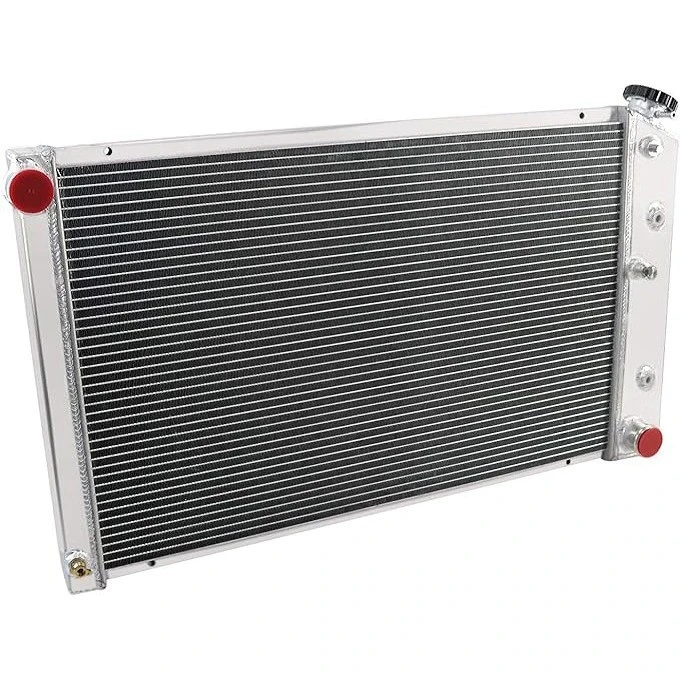
A real aluminum radiator product image from the Zuoer website. Source page.
What I tell buyers before they compare suppliers
Use marketplace badges as an initial filter, not as product approval.
Compare prices only after every supplier has confirmed the same technical scope.
Treat the approved drawing and specification as the production baseline.
Request test methods, acceptance limits, and records instead of accepting the word 'tested.'
Put inspection, packaging, change approval, and claim responsibilities in writing.
|
Red flag I see |
Why I pause |
What I request |
|
An Alibaba badge described as certification |
Platform verification is not the same as QMS or product certification. |
The assessment report plus independently verified certificates. |
|
A quote far below the others |
The scope may omit material, process, testing, packaging, or after-sales cost. |
A line-by-line scope and written deviation list. |
|
A price with no drawing review |
The quote may exclude important construction or interface details. |
A marked drawing, assumptions list, and revised quote. |
|
'100% tested' with no method |
I cannot judge test pressure, duration, equipment, or acceptance criteria. |
A test specification and sample record. |
|
Packaging discussed after production |
The carton, supports, caps, and pallet pattern may not protect fins and ports. |
An approved packaging specification before production. |
Buyer-control summary synthesized from the article research and sourcing workflow.
Problem 1: Buyers mistake an Alibaba badge for product certification
Overseas customers sometimes tell me, 'This company is certified on Alibaba, so I thought the product was approved.' I explain that Alibaba supplier badges are platform verification or membership signals. Alibaba describes Verified Supplier as a membership tier that includes third-party on-site verification and an assessment report.
That assessment can help a buyer check business identity and stated factory capabilities, but it does not certify a particular radiator or shipment. Paid platform participation is also different from an independently issued QMS or product certificate. Even ISO 9001 concerns a quality management system; buyers still need product-specific drawings, tests, and inspection evidence.
Problem 2: An unusually low price hides a different product or control level
Another common message is, 'The price was too attractive to ignore, but the delivered radiator was not what we expected.' China has highly controlled factories and very low-control suppliers. Some businesses focus on winning a one-time order, and an unsustainable quote may be recovered through changed materials, reduced process time, limited testing, or weak packaging.
I never judge quality from price alone, and I do not claim every cheap quote is dishonest. I ask what the price actually includes: core construction, tanks, brackets, filler neck, accessories, testing, labels, cartons, pallet, documents, and warranty handling. If one quote is dramatically lower, I ask the supplier to explain every deviation before the buyer compares totals.
Problem 3: The buyer sends only a model number or old part number
A model number helps identification, but it cannot replace dimensional control. Different markets, production years, engines, fan shrouds, or aftermarket designs can share similar descriptions while using different inlet positions, mounting holes, cap necks, or overall thicknesses. This is where quotation errors often begin.
I ask buyers for a drawing, verified sample, or complete measurement sheet with clear photos. The minimum data covers overall and core size, thickness, inlet and outlet position and diameter, mounting centers, bracket geometry, filler neck, drain, fan clearance, and orientation. Our custom radiator inquiry checklist summarizes these inputs.
Problem 4: 'All aluminum' is treated as a complete specification
Customers frequently receive several products that are all called 'all aluminum' but are not technically equivalent. I ask what material and process apply to the tubes, fins, tanks, header plates, side plates, brackets, filler neck, drain, and oil-cooler connections. I also confirm which parts are brazed and which joints are welded.
Two radiators can look similar in a listing while differing in core layout, fin geometry, wall thickness, reinforcement, and workmanship. I do not choose an alloy or thickness without an engineering reason. However, I require the offered construction to be written down and any later change to receive buyer approval.
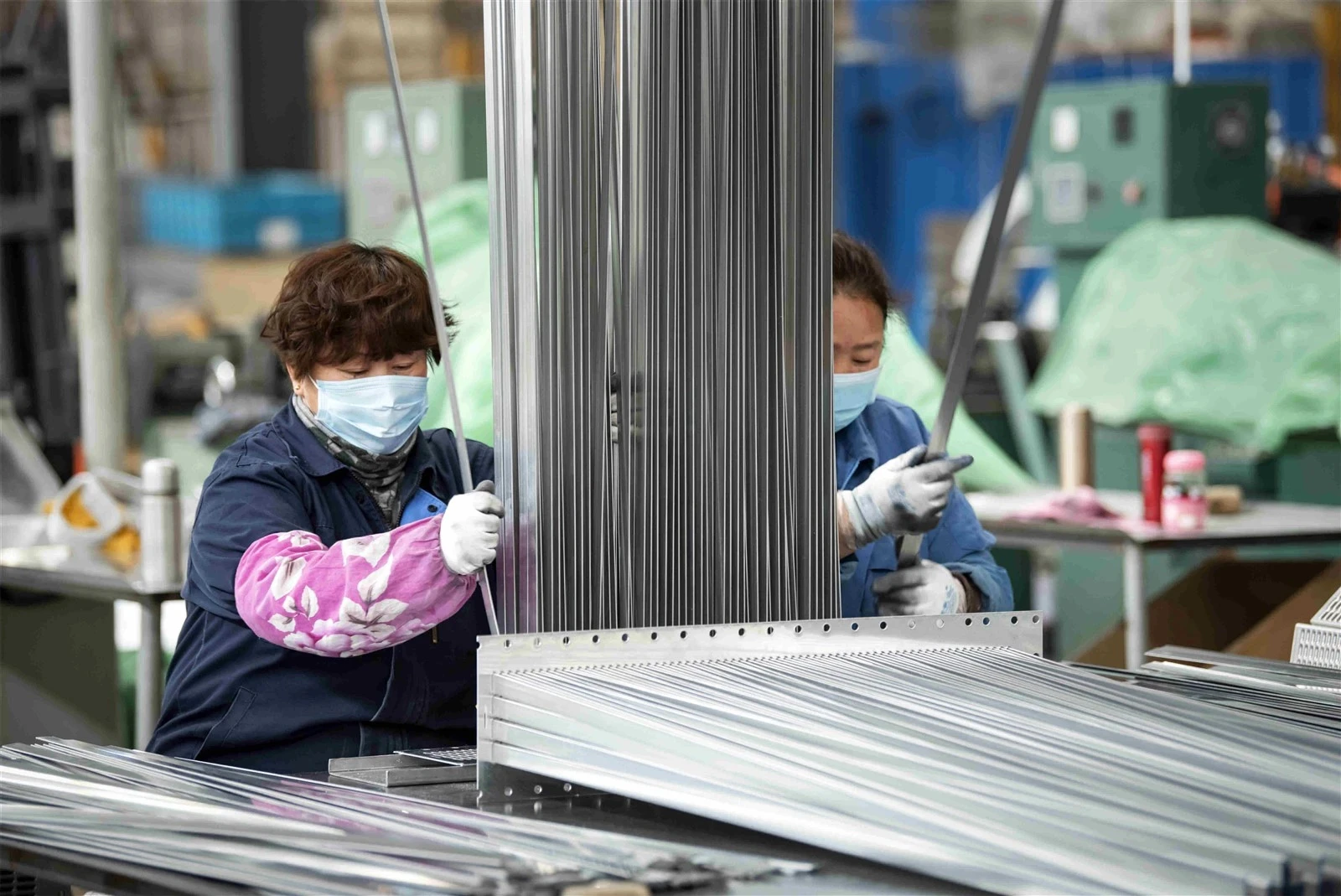
Real production activity photographed inside the Zuoer radiator factory. Source page.
Problem 5: Production starts without one controlled drawing
Buyers often tell me that dimensions were discussed across email, chat, quotation sheets, and photos. One message showed the original port position while another approved a change. When these sources conflict, the factory floor needs a single answer that both supplier and buyer can identify.
I recommend that the purchase order reference an approved drawing number and revision. The drawing should record critical dimensions, connections, orientation, construction notes, finish, labels, and special inspection points. A supplier change should require written approval and an updated revision before it reaches production.
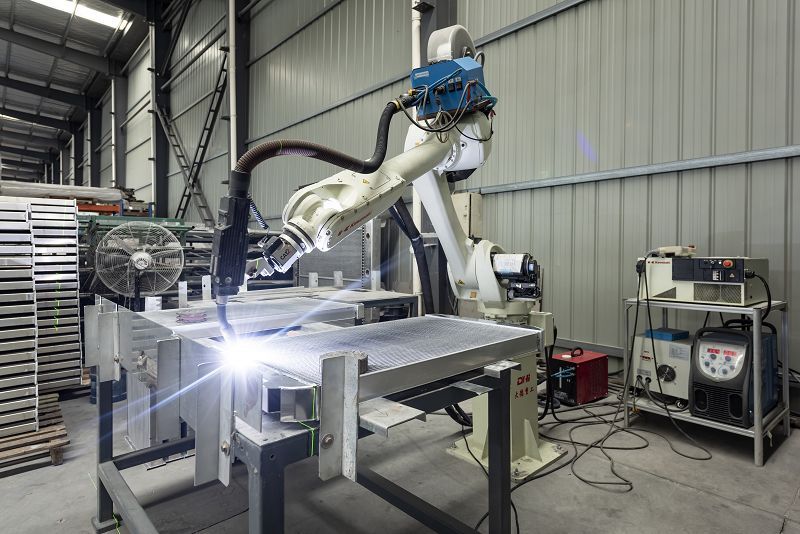
A real workshop photograph showing automated welding equipment. Source page.
Problem 6: Bulk production is released without sample validation
For a new custom design, changed supplier, or high-consequence application, I usually recommend separating sample approval from bulk production. A sample can reveal interference, hose alignment, fan-shroud clearance, mounting stress, cap access, drain access, or packaging weakness that a PDF may not show.
Before making the sample, I ask the buyer to define approval checks. These may include dimensions, workmanship, installation fit, leak testing, coolant compatibility, pressure drop, thermal performance, vibration, or field validation. The approved sample revision, results, open issues, and required corrections must remain linked to production.
Problem 7: 'Pressure tested' is accepted without a test definition
When a customer tells me the supplier said 'every radiator is pressure tested,' I ask what that sentence means. I ask about the test medium, pressure or vacuum level, stabilization time, test duration, acceptance limit, equipment, calibration, retest rules, and whether records can be linked to a batch.
Radiator leak testing can use different methods and fixtures. For example, Cincinnati Test Systems describes radiator leak testing using pressure-decay and vacuum approaches. The purchase specification must define a method suitable for the actual radiator instead of copying a generic number from another application.
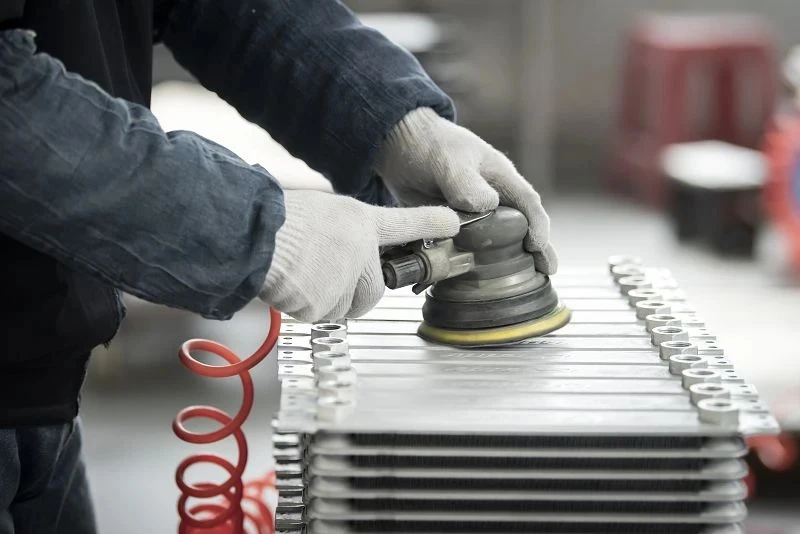
Real finishing work in the Zuoer production facility. Source page.
Problem 8: Inspection and packaging are discussed after production
Customers sometimes contact me after finished goods are already waiting for shipment, but that is too late to design the controls efficiently. I prefer to approve an inspection plan while the order is still easy to change. It identifies critical dimensions, sampling or 100% checks, workmanship criteria, leak-test records, label content, quantity, accessories, documentation, and the photos or reports required before shipment release.
Packaging is part of the product. I confirm protective caps, fin protection, internal supports, moisture control where needed, carton strength, individual labels, master-carton data, pallet dimensions, stack limits, and handling marks. I ask for packing photos and verify that the approved arrangement matches the shipping method.
Problem 9: The commercial terms are shorter than the technical risks
A purchase order may contain only three letters such as FOB or DAP, a deposit percentage, and a requested ship date. I advise buyers to state the named place, payment milestones, production lead-time trigger, sample approval effect, document deadline, shipment window, inspection release, and balance-payment condition. Incoterms do not replace the complete sales contract.
I also clarify currency, export documents, tooling ownership, tooling storage, and responsibility for agreed inspections. When a date is important, the buyer and supplier must agree what starts the clock: deposit receipt, drawing approval, sample approval, or material confirmation. I do not leave these triggers to assumption.
Problem 10: There is a warranty sentence but no usable claim process
A warranty sentence is not enough when a customer receives damaged, mixed, leaking, or out-of-specification goods. I define the notification period, evidence required, containment actions, root-cause response, replacement or credit options, freight responsibility, and treatment of recurring defects.
I ask buyers to preserve traceability with the purchase order, drawing revision, batch or date code, carton label, photos, inspection report, test record, and a clear defect sample. This evidence helps both sides distinguish a production defect from transit damage, installation error, coolant problems, or an application mismatch.
How I respond when an overseas buyer contacts me
I do not send a confident custom quotation from a product name alone. I first ask for the drawing, old sample or photos, overall and core dimensions, inlet and outlet layout, mounting details, application, engine power, working environment, quantity, packaging, and target market. Then our technical team can identify missing information and feasibility questions.
Buyers can review our company profile, browse the aluminum radiator range, and check our stated product applications. I still encourage every buyer to verify the exact specification, sample plan, test controls, packaging, and commercial terms for the project being ordered.
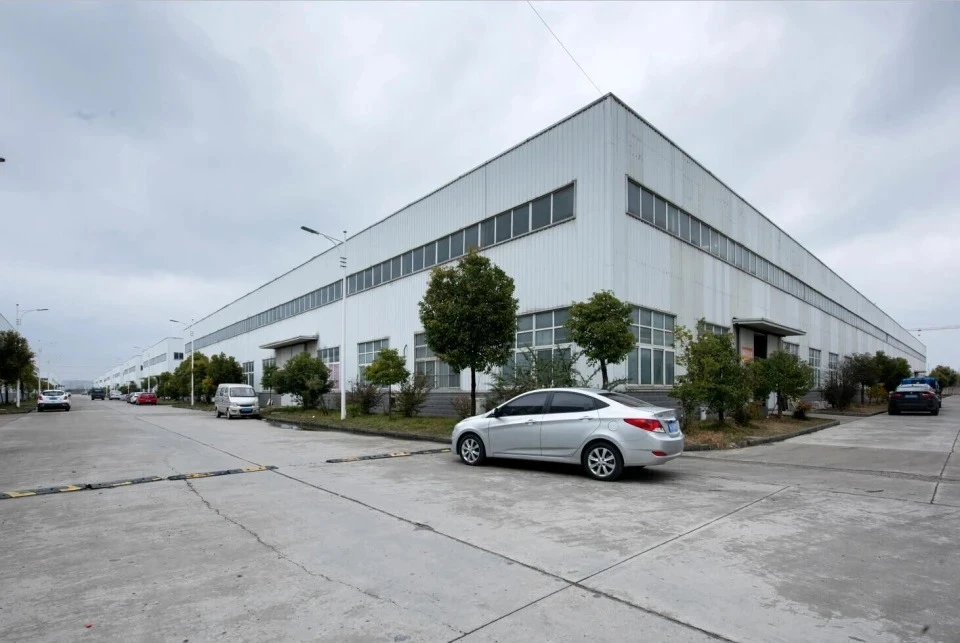
The Zuoer manufacturing facility shown on the company's About Us page. Source page.
The pre-deposit checklist I recommend
|
Control point |
What I confirm before payment |
|
Supplier |
Legal name, site, contact, capability, certificate scope, and audit evidence. |
|
Technical baseline |
Approved drawing revision, application data, construction, interfaces, finish, labels, and allowed deviations. |
|
Sample |
Approval tests, result record, unresolved issues, and link to the production revision. |
|
Quality |
Inspection plan, leak-test method, acceptance criteria, equipment status, records, and traceability. |
|
Packaging |
Caps, supports, fin protection, cartons, labels, pallet pattern, stack limit, and photo approval. |
|
Commercial |
Quantity, price scope, tooling, payment milestones, lead-time trigger, named Incoterms place, and documents. |
|
Claims |
Notification, evidence, containment, corrective action, replacement or credit, and freight responsibility. |
Buyer-control summary synthesized from the article research and sourcing workflow.
Conclusion
After years of speaking with overseas radiator buyers, I see the same lesson repeatedly: sourcing risk is not controlled by one marketplace badge, one certificate, or one final inspection. It is controlled by complete inputs, comparable quotations, an approved drawing, suitable validation, defined tests, protected packaging, precise terms, and usable records.
When buyers contact Zuoer, I want them to receive more than a quick number. I want our conversation to expose unclear dimensions, assumptions, tests, and delivery requirements before they become production problems. That is the most practical value I can provide as a senior customer advisor.
Frequently asked questions
Does an Alibaba Verified Supplier badge certify radiator quality?
No. It is a platform membership and verification signal, not product approval. I still require drawings, samples, tests, and shipment inspection.
Why can one Chinese radiator quotation be much cheaper than the others?
The scope may differ in construction, materials, accessories, testing, packaging, documentation, or after-sales responsibility. I compare deviations before price.
What should a buyer send when requesting a radiator quote?
I request drawings or sample photos, dimensions, connections, mounting details, application data, quantity, testing, packaging, destination, and trade terms.
Should a buyer order a sample before bulk production?
I recommend it for new custom designs, new suppliers, changed specifications, or applications where fit or failure consequences are significant.
Which radiator dimensions are most important?
I confirm overall and core size, thickness, port locations and diameters, mounting centers, bracket geometry, filler neck, drain, orientation, and clearances.
How do I verify radiator leak testing?
I recommend specifying the method, medium, pressure or vacuum, timing, acceptance limit, equipment status, retest rule, and required batch records.


