Japanese Car Radiator
Your Leading Yangzhou Zuoer Radiator Co., Ltd. Supplier
Yangzhou Zuoer Radiator Co., Ltd. is located in the Automobile lightweight Industrial Park of Yangzhou Economic Development Zone, Jiangsu Province, China. It is a professional enterprise specializing in the design and manufacture of automotive construction machinery, agricultural machinery, generator sets, air compressors and other heat dissipation systems, water radiators, oil radiators, intercoolers and new energy vehicle radiators.
Why Choose Us
High quality
The company has advanced quality assurance system ensures the continuous and stable product quality and meets the needs of all kinds of customers.
Rich experience
Our company has more than 20 years of production work experience.
Advanced equipment
The company has a first-class professional production line of aluminum radiator products, with all kinds of radiator products.
Technical support
The company has a mature and stable radiator product research and development team.
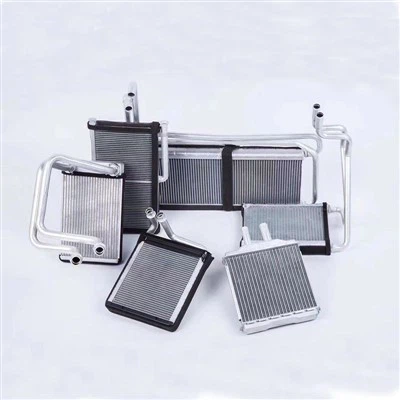
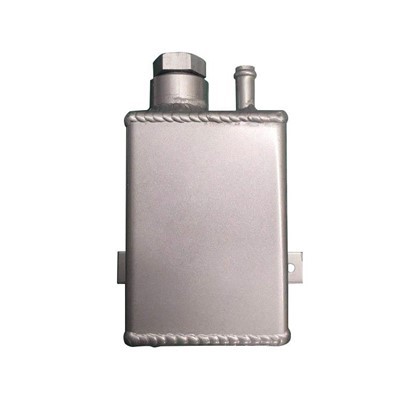


Real Factory

A radiator is a heat exchanger used to transfer thermal energy from one medium to another for the purpose of cooling and heating. The majority of radiators are constructed to function in cars, buildings, and electronics.
Benefits of Japanese Car Radiator

01
Enhanced cooling capacity
Upgrading your radiator can provide increased cooling capacity, allowing for better heat dissipation and improved cooling performance. A larger radiator with more cooling fins, larger tubes, or increased surface area can effectively dissipate heat generated by the engine, keeping it within the optimal operating temperature range. This is particularly beneficial for vehicles operating in hot climates or those used for towing or performance purposes.

02
Improved cooling system efficiency
A more efficient cooling system helps maintain engine temperature and prevents overheating. Upgraded radiators often feature advanced designs and materials that enhance cooling system efficiency. These radiators may incorporate improved coolant flow patterns, optimized fin designs, or better heat transfer properties, ensuring that the coolant effectively absorbs and dissipates heat. This can result in better overall engine performance and increased engine lifespan.

03
Durability and longevity
Upgraded radiators are often built with higher quality materials and construction methods, offering increased durability and longevity compared to stock radiators. They may have thicker cores, reinforced tanks, or enhanced corrosion resistance. These features make them more resistant to damage from road debris, stress, and internal corrosion, ensuring that the radiator can withstand demanding driving conditions and provide reliable cooling performance over an extended period.

04
Heat dissipation during idle or low-speed situations
Some vehicles, especially those with high-performance engines or heavy-duty applications, may experience heat buildup during idle or low-speed situations. Upgraded radiators can address this issue by providing improved heat dissipation capabilities even at lower airflow rates. This ensures that the engine stays within the optimal temperature range, reducing the risk of overheating and associated performance issues.
Types of Japanese Car Radiator
Tubular core type
In these types, a series of tubes are connected to the upper and lower tank through which the water passes. To improvise the heat transfer, fins are placed around them. As water passes through all the tubes in this type, a defect on even one tube will affect the entire cooling process.
Cellular core type
Also referred to as a honeycomb radiator because of its appearance, this type of radiator allows the coolant to flow through the spaces between them. Air will pass through the tube and the coolant flows in the in-between spaces. The cellular core type has a great benefit over the tubular one because if the tubes are clogged it will only affect a small portion of the entire cooling surface.
Components of Japanese Car Radiator
Inlet hose: Rubber or molded hose that carries hot coolant into the radiator from the engine block.
Upper tank: The top section of the radiator where hot coolant first enters from the inlet hose.
Pressure cap: A valve used to regulate the pressure of high-temperature coolant as it enters the upper tank.
Core: A mesh of aluminum tubes and fins designed to remove heat from flowing coolant.
Lower tank: The bottom section of the radiator where cold coolant exits through the outlet hose.
Outlet hose: Rubber or molded hose that carries cooled-off coolant out of the radiator and into the water pump.
How to Maintain Japanese Car Radiator
Regular inspections
Periodically check your radiator for any signs of leaks or damage. Ensure that the radiator fins are clean and unobstructed.
Coolant levels
Regularly check and top up the coolant levels as needed. The coolant helps in maintaining the proper operating temperature and prevents overheating.
Flush and refill
Over time, coolant can become contaminated. Flushing and refilling your radiator with fresh coolant can help maintain its efficiency and prevent corrosion.
How to Choose Car Radiator
Selecting the right car radiator involves considering several key factors:
Vehicle compatibility
Ensure that the radiator you choose is compatible with your vehicle’s make, model, and engine type. Check the manufacturer’s specifications or consult a professional if you’re unsure.
Material
Radiators are commonly made from aluminium or copper. Aluminium radiators are lighter and offer better heat dissipation, while copper radiators are more durable but heavier.
Cooling capacity
The radiator must be able to handle the heat output of your engine. Higher performance engines may require radiators with greater cooling capacity.
Quality and brand
Opt for high-quality radiators from reputable brands. This ensures better performance and longevity. Look for radiators with warranties or guarantees.
Look for these four main signs of a bad radiator
Low coolant levels when you check the reservoir. Your vehicle’s coolant reservoir has indicators on it to show what the levels should be when the vehicle is hot and cold. Anything below the normal, and you should add radiator fluid or take your vehicle in for service.
Coolant leaking under your car. If you see drips or puddles of coolant underneath your vehicle by the grille, it might be a sign of a bad radiator, and you need to get it looked at.
Overheating engine. Your engine’s thermostat shows the temperature of the engine, and when/if it redlines, you might have a bad radiator.
Sludge buildup in the radiator. If your coolant has a rusty tinge or oil color rather than standard orange, red, pink, yellow, or green, there is a problem with sludge in the coolant.

It may be possible to repair minor radiator leaks with a dedicated leak-plugging repair liquid, which is poured into the radiator and solidifies around small holes or cracks. The jury is out on how effective such products are, with anecdotal reports indicating they can leave sludge in the cooling system, affecting its operation. A proper diagnosis and repair by a qualified technician is far preferable to this.
There is also a homespun fix/rumour that involves cracking an egg (minus shell) into the radiator, with the idea being that the yolk and white will lodge in leaks as they cook and solidify. This is very difficult to recommend unless the leak is a matter of life and death, as chances are the egg will find its way into parts of the cooling system where an egg has no right to be, causing untold issues.
In general terms, a proper mechanical repair of a broken radiator by a qualified technician is not often not economically viable, as any such repair is likely to take a significant amount of time, and replacement car radiators are relatively inexpensive.
Downflow Radiators Vs. Crossflow Radiators. What's the Difference
Radiators come in a variety of configurations. Each possessing it's own unique combination of fittings and features to work for the vehicle they were intended for. The starkest difference when it come to radiator types isn't the engine they are made for, or even the heat dissipation capacity they posses, but rather the placement of the tanks and how the radiator is positioned in a vehicle.
The two main configurations can be broken down into 2 categories; Crossflow radiators; which have the tanks on either side of the core with the radiator tubes running horizontally and Downflow radiators; which have the tanks on top and bottom of the core the radiator tubes running vertically.
Hot coolant flowing from the engine enters one tank, then passes through the tubes in the radiator core to the other tank, which then passes the coolant back into the engine. While the coolant is in the tubes of the core, the heat from the coolant transfers to the tube wall and fins. The passage of air over the core dissipates the heat transferred to the tubes and fins and the cooled down coolant is then passed back through the engine to start the cycle over. The more tube surface area there is, the better a radiator can dissipate heat and cool.
So, if you have both a downflow and crossflow radiators made out of the same materials, using the same build methods and using the same core dimensions, then they will provide the same level of cooling, regardless of their position.
The primary factor that will determine whether a downflow radiator or crossflow radiator is right for your vehicle comes down to the space under the hood. Dowflow radiator tend to be taller than wider. They were the standard radiator configuration for most older vehicle and will often fit better in older applications; especially older trucks and street rods. Crossflow radiator are the opposite, they are usually wider than they are tall and work well in vehicle with low profile hoods with limited vertical space. Crossflow radiator systems can also be offer in "Double Pass" or "Triple Pass" configurations which separates coolant that has been cooled from the coolant to be cooled.
In the case of which configuration to choose; it really comes down to surface area and space available. If the downflow and crossflow radiator both have the same core dimensions and surface area, they will cool the same. In the case that one options is a larger radiator and has more surface area of core exposed; then that option will provide a cooling increase.

- Ensure that the car and coolant are completely cooled down
- Place a bucket under the drain on the radiator and loosen to allow the coolant to drain
- Replace the drain plug and move the bucket under the upper radiator hose
- Remove the upper radiator hose, directing any remaining coolant into the bucket
- Repeat the same process with the lower radiator hose
- Unbolt any radiator, hold down the brackets, and remove the radiator
- Install the new radiator by reversing these steps
- Fill the radiator with coolant using the proper steps for your vehicle
How Often Should I Replace My Car's Radiator
The answer to this question depends on a variety of factors, such as the make and model of your vehicle and how it is used. Generally speaking, you should inspect the radiator for signs of wear or damage every 15,000 to 30,000 miles (25,000 to 50,000 km). If necessary, consider replacing it before any major problems arise.
It is a professional enterprise specializing in the design and manufacture of automotive construction machinery, agricultural machinery, generator sets, air compressors and other heat dissipation systems, water radiators, oil radiators, intercoolers and new energy vehicle radiators.


Our Certificate