American Car Radiator
Your Leading Yangzhou Zuoer Radiator Co., Ltd. Supplier
Yangzhou Zuoer Radiator Co., Ltd. is located in the Automobile lightweight Industrial Park of Yangzhou Economic Development Zone, Jiangsu Province, China. It is a professional enterprise specializing in the design and manufacture of automotive construction machinery, agricultural machinery, generator sets, air compressors and other heat dissipation systems, water radiators, oil radiators, intercoolers and new energy vehicle radiators.
Why Choose Us
High quality
The company has advanced quality assurance system ensures the continuous and stable product quality and meets the needs of all kinds of customers.
Rich experience
Our company has more than 20 years of production work experience.
Advanced equipment
The company has a first-class professional production line of aluminum radiator products, with all kinds of radiator products.
Technical support
The company has a mature and stable radiator product research and development team.


Real Factory

A radiator is a heat exchanger that helps to cool internal combustion engines (ICE) in automobiles. More importantly, you may find this crucial component in motorcycles, locomotive engines, and piston-engine aircraft. Currently, most modern automobiles are fitted with aluminum radiators.
Its lightweight nature enhances fuel efficiency, leading to cost savings and improved performance.
Its durability ensures resilience under harsh conditions, making it ideal for high-performance vehicles.
It provides a long-lasting cooling solution due to its resistance to corrosion and rust.
It efficiently conducts and absorbs heat, keeping your engine operating optimally.
Its recyclability contributes to environmental sustainability.

Types of American Car Radiator
A crossflow radiator is one of the most common types found in modern vehicles. In this design, the coolant flows horizontally across the core, allowing for efficient heat transfer. Crossflow radiators are compact and lightweight, making them suitable for various vehicle applications. They are often favored for their improved cooling efficiency and space-saving design.
Downflow radiators, or vertical flow radiators, are commonly found in older vehicles. In this design, the coolant flows vertically from the top tank to the bottom tank. While downflow radiators may not offer the same cooling efficiency as crossflow radiators, they can still provide adequate cooling for many vehicle applications. They are generally preferred for their simplicity and compatibility with older vehicles.
The aluminum radiator is popular due to its lightweight construction and excellent heat transfer properties. Compared to traditional copper or brass radiators, aluminum radiators offer superior cooling efficiency and corrosion resistance. They are highly durable and can withstand higher operating pressures, making them ideal for high-performance vehicles or those subjected to extreme conditions.
A copper brass radiator has been a staple in the automotive industry for decades. They consist of copper tubes and brass fins, offering good heat transfer capabilities. Copper/brass radiators are known for their reliability and durability. While they may be heavier compared to aluminum radiators, they are still a popular choice for many vehicles, especially those with vintage or classic designs.
High-performance radiators are designed to meet the cooling demands of vehicles with increased horsepower or those subjected to intense driving conditions. This radiator typically features a larger radiator core, increased tube density, and enhanced fin designs, allowing for improved cooling capacity. High-performance radiators are commonly used in sports cars, modified vehicles, or vehicles used for towing or racing purposes.

Heat exchange: The radiator is equipped with a series of metal tubes and fins. Hot coolant from the engine flows through these tubes. As the coolant passes through the radiator, it releases its heat to the surrounding air through the fins.
Coolant circulation: The cooled coolant then returns to the engine to absorb more heat. This continuous cycle helps maintain the engine at its optimal operating temperature.
Temperature regulation: The radiator cap plays a crucial role in regulating the pressure within the cooling system. It prevents the coolant from boiling over and ensures that the system operates at the correct pressure.
Components of American Car Radiator
Radiator core
The biggest part of a radiator, and the part people think of first, is the core. The core consists of metal tubes surrounded by small fins where the coolant goes to shed heat. The heat is transferred to the fins, which exist between the tube rows.
Cooling fins are usually made out of thin aluminum and aligned to look like rows of small “v”s between the tubes. Fins can become damaged and clogged from insects and road debris, so it’s good to clean them periodically to keep them functional.
Inlet and outlet hoses
The inlet hose takes coolant from the engine and pulls it into the radiator. The outlet hose takes the coolant back to the engine. Despite being the simplest part of the radiator, the hoses are also a radiator’s most vulnerable points. Because radiator hoses tend to endure wear and tear internally, you might not realize they’re degrading until they’re actually leaking.
Heater hoses
Besides getting rid of engine heat, radiators also reroute heat into the cabin for passengers. The heater hoses connect to the heater core under your dash.
Radiator cap
A car’s radiator has to stay pressurized so it can circulate the coolant. The radiator cap acts as a pressure valve. When the radiator reaches max pressure, the valve in the cap opens. When the valve opens, heat escapes and excess coolant flows into the radiator overflow tank. Once it has cooled down, this coolant is pulled back into the radiator.
Radiator caps are set to different densities (measured in psi). Most radiator caps will be set to around 15 psi.
It’s important not to have too much pressure since that could damage the radiator. On the other hand not having enough pressure could allow the engine to overheat. Always use the radiator cap density that’s recommended in your owner’s manual.
Petcock/drain plug
Not all radiators have a drain petcock, but there’s no doubt this tiny part makes radiator maintenance a lot easier. The petcock keeps coolant from leaking, but it also makes it easy to drain your radiator. Since the petcock is for draining, it’s typically located at the bottom of your radiator.
Fan
While not all radiators have a fan, most modern ones do. Adding an electric fan to help disperse heat is one way modern radiators outperform their predecessors. Fans tend to come in two varieties: Those that pull in outside air and those that push hot air out. Pull fans generally work better.
The fan is located in-between the engine and radiator. Usually the fan uses the motion of the engine to turn. Most fans will also have a fan shroud, which helps to keep the heat from the engine from negatively impacting the radiator.
Thermostat
Though you want to keep your engine from overheating, you also want to let it warm up. Thermostats keep coolant from flowing into an engine until it has reached operating temperature.
Where the thermostat is housed will depend on the vehicle. For most vehicles, you can follow the upper radiator hose to the thermostat housing.
The thermostat itself is a mechanical valve that uses wax to open and close. When the thermostat reaches its set temperature, usually around 170 degrees, the wax expands and opens the valve. When the engine cools and the wax shrinks, the valve closes again.
Water pump
The water pump gets the coolant from the engine to the radiator and back again. This simple device is connected to the engine’s crankshaft. So, as long as the engine’s running, the water pump should be circulating coolant.
The coolant leaves the pump through the lower radiator hose, goes through the engine block, then to the radiator, and then back to the pump.
Transmission cooler
If you drive an automatic, then your radiator probably has a transmission cooler. Though it’s called a “cooler,” it keeps the transmission fluid in its optimum temperature range. That means warming it sometimes as well.
If your radiator contains a transmission cooler, there will be extra cooling tubes for the transmission fluid.
How to Maintain American Car Radiator
Perform regular radiator checks
You should get your car regularly serviced as recommended by the auto expert. Make sure you perform regular radiator checks to see if it is working effectively or not. You can then take necessary actions to replace or repair the components. This would ensure there are no last-minute hiccups and you can enjoy your ride seamlessly.
Avoid overloading car
We often make the mistake of overloading the car which can cause problems when it comes to the performance of the radiator and the engine. Make sure you avoid overloading it as much as possible.
Top up with engine coolant
Top up the coolant after every 20000 to 25000 miles or as recommended by the service engineer. It varies from car to car depending upon the use and driving habits.
Check your fluids
Regularly check the fluid levels and take corrective actions. Make sure the level of coolant is appropriate and check the oil levels too. Low levels of fluid can create problems in the long term and impact the performance of your car.
Maintain the hoses and check for leaks
Keep an eye on all the key components of the engine including the hoses and pipes. Look for any potential leaks from the pipe and engine box. Get the car serviced and checked by an expert as soon as you find any unusual sign.
Keeping your radiator in good shape is essential to a well-functioning car. Not only can a bad radiator cause your car to overheat unexpectedly, but neglecting radiator issues can also lead to severe engine damage. Watch out for these common symptoms of a bad radiator so you can stay ahead of maintenance and repairs.
Visible leak under your car
If there is a coolant leak coming from your radiator, you may see a colorful puddle on the ground beneath your car after parking. Manufacturers use color dyes in antifreeze such as green, yellow, and orange to differentiate it from other important vehicle fluids. If the liquid also has a sweet smell to it, it is likely antifreeze.
Not all coolant leaks will be visible, so it's best to check your coolant levels regularly. Ensure the engine has cooled completely before observing or opening the coolant reservoir, as hot coolant under pressure can cause serious injury.
Car overheats frequently
A car that frequently overheats is often a sign that the radiator is no longer doing its job. A broken or clogged radiator may not be able to cool down or circulate coolant effectively.
If the radiator is not the source of the problem, other cooling system components may be to blame, including a faulty thermostat, broken cooling fan, or low coolant levels.
Radiator sludge
Over time, the coolant in the radiator can become dirty and lose the benefits of its additives. Coolant that is usually green, yellow or orange and may be dark and discolored if contaminated. For cars that have a transmission cooler inside their radiator, the problem may be that some transmission oil has contaminated the coolant and turned it into sludge.
Dirty or sludge-like engine coolant will not move through the radiator properly, leading to blockages and ineffective cooling. Generally, engine coolant should be exchanged every 40,000 miles, but always check your owner's manual for your vehicle's specific radiator exchange interval.
Low coolant levels
Radiator leaks can often result in drivers having to top up their coolant levels constantly. If you notice your coolant is frequently low despite topping it up, you may have a radiator leak. A pressure test can determine whether or not there's a leak somewhere in your cooling system.
Down-flow Radiator vs. Cross-flow Radiator: What is the Difference
The process to build either of these radiators is identical. Where the tanks are attached is the only difference. In a down-flow radiator you have a tank attached to the top and bottom of the radiator core. The coolant enters the top tank and flows down to the bottom tank. As you’ve probably guessed by now, a cross-flow radiator has tanks on the left and right side. Coolant enters one side and flows across to the other. The real question is, does that make a difference in cooling ability?
Assuming you have a cross-flow and down-flow radiator made from the same materials and build methods, then they will provide the same level of cooling. So why the difference? It really comes down to space under the hood. Depending on your vehicle or equipment, you may be able to fit a larger cross-flow radiator instead of a down-flow. This goes back to surface area. If the two radiators are the same size, they will cool the same. In the cases where you can fit a larger radiator of a different flow style, then you can increase the cooling ability. Which radiator to use primarily comes down to the space requirements.
If your space is limited or you need additional cooling, there are radiators that will pass the coolant through the core two or more times. Typically you’ll only see double pass radiators. In this case, the tanks have baffles inside them that force the coolant to pass through the core twice. Since this means the same amount of coolant travels over twice the surface area, it has more time to cool. Some applications may even require a triple pass radiator. When in doubt, you should replace your existing radiator with one that at least matches the OEM specifications; however, if extra cooling is needed, then a double or triple pass radiator may help.
There is one advantage that a cross-flow radiator has over a down-flow, and that is the location of the pressure cap. All radiators use a pressure cap to prevent damage to the cooling system as the coolant heats up. With down-flow radiators, this cap has to be placed on the top tank putting it on the “high pressure” side and causing the pressure cap to vent sooner. Cross-flow radiators can have the pressure cap on the second tank where the coolant flows out of the radiator putting the cap on the “low pressure” side. This can allow more coolant to stay in the system which improves cooling efficiency. That being said, the difference is not that great and can only provide a benefit in high performance applications such as racing. You can achieve better cooling improvements by maximizing the surface area your radiator has.
It is a professional enterprise specializing in the design and manufacture of automotive construction machinery, agricultural machinery, generator sets, air compressors and other heat dissipation systems, water radiators, oil radiators, intercoolers and new energy vehicle radiators.


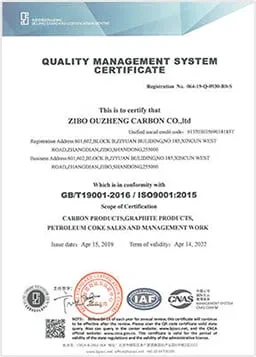
Our Certificate