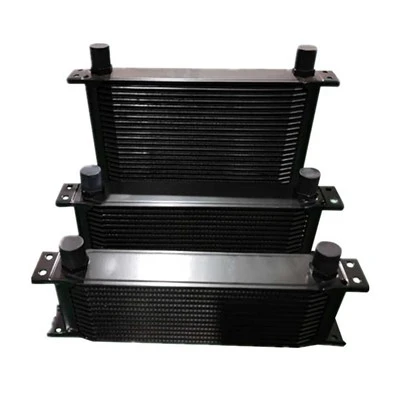
Hey there, car enthusiasts and fellow gearheads! As a supplier of aluminum intercooler cores, I often get asked about the noise level associated with these nifty components. Today, I'm gonna break it down for you and give you the lowdown on what you can expect when it comes to noise and aluminum intercooler cores.


First off, let's talk about what an aluminum intercooler core is and why it's important. An intercooler is a heat exchanger that cools the compressed air coming from the turbocharger or supercharger before it enters the engine. By cooling the air, the intercooler increases the air density, which allows for more oxygen to be packed into the cylinders. This results in more power and better performance.
Aluminum is a popular choice for intercooler cores because it's lightweight, has excellent heat transfer properties, and is relatively inexpensive. These cores are designed to efficiently dissipate heat and improve the overall efficiency of the engine. But what about the noise?
Well, the noise level associated with an aluminum intercooler core can vary depending on several factors. One of the main factors is the design of the intercooler itself. Some intercoolers are designed to be more aerodynamic, which can reduce the amount of noise generated by the airflow through the core. On the other hand, intercoolers with a more aggressive design may produce more noise due to the increased turbulence in the airflow.
Another factor that can affect the noise level is the size of the intercooler. Generally speaking, larger intercoolers tend to produce less noise than smaller ones. This is because larger intercoolers have a larger surface area, which allows for a more even distribution of the airflow and reduces the chances of turbulence.
The type of vehicle and its engine also play a role in the noise level. High-performance vehicles with powerful engines are more likely to produce more noise, regardless of the intercooler design. Additionally, the location of the intercooler within the vehicle can also impact the noise level. If the intercooler is located close to the engine or other noisy components, it may pick up and amplify the noise.
Now, let's talk about the different types of noise you might encounter with an aluminum intercooler core. The most common type of noise is a whistling or hissing sound. This is usually caused by the airflow passing through the intercooler fins or tubes. In most cases, this type of noise is normal and not a cause for concern. However, if the noise is particularly loud or accompanied by other symptoms, such as a loss of power or poor performance, it could indicate a problem with the intercooler or the engine.
Another type of noise you might hear is a rattling or vibrating sound. This could be caused by loose connections or components within the intercooler. It's important to check the intercooler for any loose bolts or brackets and tighten them if necessary. If the rattling persists, it's best to have the intercooler inspected by a professional.
So, what can you do to reduce the noise level associated with an aluminum intercooler core? One option is to choose an intercooler with a more aerodynamic design. Look for intercoolers that have smooth fins and tubes, as these will help to reduce turbulence and minimize noise. You can also consider adding insulation or sound-deadening material around the intercooler to absorb some of the noise.
If you're in the market for an aluminum intercooler core, I've got some great options for you. Check out our All Aluminum Intercooler, which is designed for maximum performance and efficiency. We also have the Aluminum Intercooler Radiator, which is perfect for high-performance applications. And if you need a complete intercooler piping kit, our 3 Inch Intercooler Piping Kit is a great choice.
In conclusion, the noise level associated with an aluminum intercooler core can vary depending on several factors, including the design, size, vehicle, and engine. While some noise is normal, it's important to pay attention to any unusual sounds and have them checked out if necessary. By choosing the right intercooler and taking steps to reduce noise, you can enjoy the benefits of improved performance without sacrificing a quiet ride.
If you have any questions or are interested in purchasing an aluminum intercooler core, don't hesitate to reach out. We're here to help you find the perfect solution for your vehicle. Let's work together to take your car's performance to the next level!
References
- Automotive Engineering Handbook, various editions
- SAE International Technical Papers on Intercooler Design and Performance