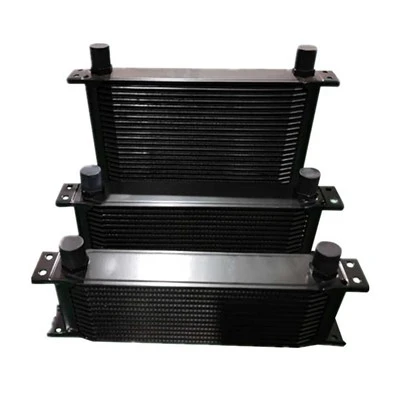
Hey there, racing enthusiasts! As a supplier of racing aluminum radiators, I've had my fair share of experiences and insights into the world of high - performance cooling systems. One question that often pops up is, "Are there any safety considerations when using a racing aluminum radiator?" Well, let's dive right in and explore this topic.
First off, let's talk about the basics. Racing aluminum radiators are designed to handle the extreme heat generated by high - performance engines. They're made from lightweight and highly conductive aluminum, which makes them great at dissipating heat quickly. But with all that power and performance comes a few safety factors we need to keep in mind.
Pressure and Overheating
One of the most important safety concerns is pressure build - up. When an engine is running at high speeds, it generates a ton of heat. The radiator's job is to transfer that heat away from the engine coolant. But if the radiator can't keep up, the coolant can start to boil, and this leads to a significant increase in pressure.
A racing aluminum radiator is built to withstand high pressures, but it's not invincible. If the pressure gets too high, it can cause the radiator to rupture. This is not only dangerous for the radiator itself but can also lead to hot coolant spraying out, which can cause burns. To prevent this, it's crucial to have a proper pressure relief valve installed. This valve will open when the pressure reaches a certain level, allowing excess coolant and steam to escape safely.
Another aspect related to overheating is the impact on engine performance. If the engine overheats due to a malfunctioning radiator, it can cause serious damage. Pistons can seize, gaskets can blow, and in the worst - case scenario, the engine can completely fail. That's why it's essential to regularly check the radiator for any signs of blockage or leaks. A clogged radiator won't be able to cool the coolant effectively, leading to overheating.
Material Quality
The quality of the aluminum used in the radiator is also a key safety consideration. Not all aluminum is created equal. Some low - quality aluminum may not have the right properties to handle the high temperatures and pressures of racing. For example, it might be more prone to corrosion or cracking.
As a supplier, I always recommend using high - quality racing aluminum radiators like the Griffin Aluminum Racing Radiator. These radiators are made from top - grade aluminum that's been tested and proven to perform well under extreme conditions. They're designed to resist corrosion and have a longer lifespan compared to cheaper alternatives.
Installation and Maintenance
Proper installation is crucial for the safe operation of a racing aluminum radiator. If it's not installed correctly, it can lead to all sorts of problems. For instance, if the radiator is not properly secured, it can vibrate loose during a race. This can cause coolant leaks or even damage the radiator itself.
It's also important to follow the manufacturer's instructions when installing the radiator. This includes making sure the hoses are properly connected and tightened. Loose hoses can lead to coolant leaks, which not only waste coolant but can also be a fire hazard if the coolant comes into contact with hot engine parts.
Regular maintenance is just as important as installation. You should check the coolant level regularly and top it up if needed. Also, look for any signs of leaks, such as puddles under the car or a drop in coolant level without an obvious reason. If you notice any leaks, it's important to fix them as soon as possible.
Compatibility
The racing aluminum radiator you choose must be compatible with your engine. Different engines have different cooling requirements, and using an incompatible radiator can lead to safety issues. For example, if the radiator is too small for your engine, it won't be able to cool the coolant effectively, leading to overheating.
When selecting a radiator, consider factors like the engine's horsepower, the type of racing you'll be doing (road racing, drag racing, etc.), and the ambient temperature in which you'll be racing. Some popular options for compatible radiators are the Afco Aluminum Racing Radiator and the Aluminum Radiator Summit Racing. These radiators are designed to work with a wide range of high - performance engines.
Safety in Racing Conditions
Racing is a high - stress environment, and the radiator needs to be able to handle it. In addition to the normal safety concerns, there are some racing - specific factors to consider. For example, during a race, the radiator can be exposed to debris, such as rocks or pieces of rubber. This debris can damage the radiator fins, reducing its cooling efficiency.
To protect the radiator from debris, you can install a radiator guard. This guard will catch the debris before it hits the radiator, preventing damage. Also, during a race, the radiator may experience sudden changes in temperature and pressure. The radiator needs to be able to adapt to these changes without failing.
Conclusion
So, to answer the question, yes, there are definitely safety considerations when using a racing aluminum radiator. From pressure build - up and overheating to material quality, installation, and compatibility, there are many factors that need to be taken into account.
But don't let these concerns scare you off. With proper care and maintenance, a racing aluminum radiator can provide reliable and safe performance. As a supplier, I'm here to help you choose the right radiator for your needs and provide you with all the information you need to keep it running safely.
If you're in the market for a high - quality racing aluminum radiator, I'd love to have a chat with you. Whether you're a professional racer or a weekend warrior, I can offer you expert advice and a range of top - notch products. Don't hesitate to reach out and start the conversation about your racing radiator needs.


References
- Automotive Cooling Systems Handbook
- Racing Engine Technology Magazine