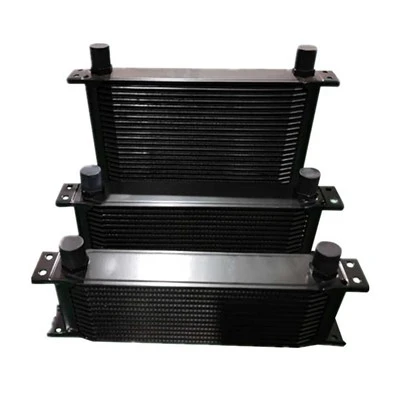
Hey there! As a supplier of aluminum condensers, I get asked a lot about the heat transfer efficiency of these nifty devices. Heat transfer efficiency is a big deal when it comes to condensers, and in this blog, I'll break down what it means for aluminum condensers and why it matters.
Understanding Heat Transfer Efficiency
Let's start with the basics. Heat transfer efficiency is all about how well a condenser can transfer heat from one place to another. In the case of an aluminum condenser, it's taking the heat from a refrigerant or a hot fluid and moving it out into the surrounding environment. A high - efficiency condenser does this quickly and with minimal energy loss.
The efficiency of heat transfer in an aluminum condenser depends on a few key factors. First up is the thermal conductivity of aluminum itself. Aluminum is a great conductor of heat. Its thermal conductivity is quite high, which means it can quickly absorb heat from the refrigerant or hot fluid inside the condenser and then release it to the outside.
Another factor is the design of the condenser. The shape, size, and arrangement of the tubes and fins in an Aluminum Condenser Coil play a huge role. For example, a well - designed finned coil can increase the surface area available for heat transfer. The more surface area there is, the more heat can be transferred at any given time.
Benefits of High Heat Transfer Efficiency in Aluminum Condensers
Now, why is high heat transfer efficiency such a good thing? Well, for starters, it saves energy. When a condenser can transfer heat quickly and efficiently, the system doesn't have to work as hard to cool down the refrigerant or fluid. This means less power consumption, which is not only good for your electricity bill but also for the environment.
In industrial applications, high - efficiency aluminum condensers can lead to cost savings. In a large - scale refrigeration or air - conditioning system, the energy savings over time can be substantial. A more efficient condenser also means less wear and tear on the other components of the system. Since the condenser is doing its job well, the compressor and other parts don't have to run as long or as hard, which extends their lifespan.
Real - World Applications
Aluminum condensers are used in a wide range of applications, thanks in part to their heat transfer efficiency. One of the most common uses is in Aluminum Ac Condensers, which are found in residential and commercial air - conditioning systems. In these systems, the condenser takes the heat from the indoor air that has been absorbed by the refrigerant and releases it outside. A high - efficiency aluminum condenser can keep your home or office cool while using less energy.
In the automotive industry, aluminum condensers are used in car air - conditioning systems. The efficient heat transfer of these condensers helps to keep the interior of the car comfortable, even on the hottest days. They're also used in industrial refrigeration systems, where they play a crucial role in keeping food, pharmaceuticals, and other products at the right temperature.
Comparing with Other Materials
When it comes to heat transfer efficiency, how does aluminum stack up against other materials? Copper is another popular material for condensers. Copper also has good thermal conductivity, but it's heavier and more expensive than aluminum. Aluminum condensers are lighter, which is a big advantage in applications like automotive and aerospace.
Stainless steel is another option, but its thermal conductivity is much lower than aluminum. So, while stainless steel condensers may be more resistant to corrosion in certain environments, they're not as efficient at transferring heat. Aluminum offers a great balance between cost, weight, and heat transfer performance.
Factors Affecting Heat Transfer Efficiency Over Time
It's important to note that the heat transfer efficiency of an aluminum condenser can change over time. One of the main factors is fouling. Over time, dirt, dust, and other debris can accumulate on the surface of the condenser. This layer of debris acts as an insulator, reducing the condenser's ability to transfer heat. Regular cleaning and maintenance can help to prevent fouling and keep the condenser operating at peak efficiency.


Corrosion can also be an issue. While aluminum is relatively resistant to corrosion, in certain environments, it can still corrode. This can damage the surface of the condenser and reduce its heat transfer efficiency. Using proper coatings and materials can help to protect the aluminum from corrosion.
Measuring Heat Transfer Efficiency
There are a few ways to measure the heat transfer efficiency of an aluminum condenser. One common method is to calculate the coefficient of performance (COP). The COP is the ratio of the heat transferred to the energy input. A higher COP means a more efficient condenser.
Another way is to measure the temperature difference between the inlet and outlet of the refrigerant or fluid. A larger temperature difference indicates that more heat has been transferred.
Our Solution: Aluminum Bar Plate Heat Exchanger
At our company, we offer a great solution in the form of the Aluminum Bar Plate Heat Exchanger. This innovative design takes full advantage of aluminum's high thermal conductivity. The bar plate structure provides a large surface area for heat transfer, which significantly improves the efficiency of the condenser.
The Aluminum Bar Plate Heat Exchanger is also very durable. It can withstand high pressures and temperatures, making it suitable for a wide range of industrial applications. And because it's made of aluminum, it's lightweight and cost - effective.
Why Choose Us?
As a supplier of aluminum condensers, we have a team of experts who are passionate about providing the best products. We use the latest manufacturing techniques to ensure that our condensers have the highest heat transfer efficiency possible. We also offer outstanding customer service, and we're always ready to help you find the right condenser for your needs.
If you're in the market for an aluminum condenser, whether it's for an air - conditioning system, a refrigeration unit, or an industrial application, we'd love to hear from you. We're confident that our products can meet your requirements and help you save on energy costs.
So, if you're interested in learning more about our aluminum condensers or if you're ready to start the procurement process, don't hesitate to reach out. We're here to answer your questions, provide you with a quote, and work with you to find the perfect solution for your project.
References
- Incropera, F. P., DeWitt, D. P., Bergman, T. L., & Lavine, A. S. (2007). Fundamentals of Heat and Mass Transfer. John Wiley & Sons.
- Holman, J. P. (2010). Heat Transfer. McGraw - Hill.