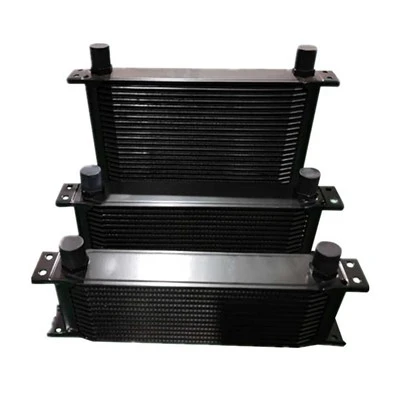
Hey there! As a supplier of Toyota aluminum radiators, I've seen firsthand how crucial it is to measure the performance of these components accurately. Radiators play a vital role in keeping your Toyota's engine cool, and understanding their performance can save you from costly repairs down the road. So, let's dive into how you can measure the performance of a Toyota aluminum radiator.
Understanding the Basics
Before we jump into the measurement process, it's important to understand what makes a radiator perform well. A radiator's main job is to transfer heat from the engine coolant to the surrounding air. In a Toyota aluminum radiator, aluminum is used because it's lightweight and an excellent conductor of heat. The more efficiently the radiator can transfer heat, the better it's performing.
Flow Rate
One of the key factors in radiator performance is the flow rate of the coolant. A good flow rate ensures that the coolant circulates through the engine and radiator effectively, picking up heat from the engine and releasing it through the radiator fins.
To measure the flow rate, you can use a flow meter. Connect the flow meter to the radiator's inlet or outlet hose. Make sure the engine is running at a normal operating temperature, and then take a reading. A healthy Toyota aluminum radiator should have a consistent and adequate flow rate. If the flow rate is too low, it could indicate a blockage in the radiator or the coolant system.
Heat Transfer Efficiency
Another important aspect of radiator performance is heat transfer efficiency. This is how well the radiator can transfer heat from the coolant to the air. To measure heat transfer efficiency, you'll need a few tools: a thermometer to measure the temperature of the coolant entering and exiting the radiator, and an anemometer to measure the airspeed passing through the radiator.
-
Step 1: Measure Coolant Temperatures
Start your Toyota engine and let it reach operating temperature. Then, use the thermometer to measure the temperature of the coolant entering the radiator. This is usually the hose coming from the engine. Next, measure the temperature of the coolant exiting the radiator. The difference between these two temperatures is an indication of how much heat the radiator is removing. -
Step 2: Measure Airspeed
While the engine is running, use the anemometer to measure the airspeed passing through the radiator. This helps you understand how effectively the radiator is being cooled by the air. A higher airspeed generally means better heat transfer. -
Step 3: Calculate Efficiency
You can calculate the heat transfer efficiency using the following formula:
Efficiency = (Temperature difference of coolant / Theoretical temperature difference) x 100
The theoretical temperature difference is the maximum temperature difference that could occur if the radiator transferred all the heat perfectly. In real-world scenarios, achieving 100% efficiency is impossible, but a well-performing Toyota aluminum radiator should have a high efficiency rating.
Pressure Test
A pressure test is another way to measure the performance of your radiator. Over time, radiators can develop leaks, which can reduce their performance. A pressure test can help you identify these leaks.
-
Step 1: Prepare the Radiator
Make sure the engine is cool and the radiator is filled with coolant. Then, attach a pressure tester to the radiator cap opening. -
Step 2: Apply Pressure
Pump the pressure tester to increase the pressure in the radiator to the recommended level. This information can usually be found in your Toyota's owner's manual. -
Step 3: Check for Leaks
Once the pressure is applied, watch the pressure gauge for a few minutes. If the pressure drops, it could indicate a leak in the radiator or the coolant system. You can also visually inspect the radiator and hoses for any signs of coolant leakage.

Comparing with Other Radiators
It's also a good idea to compare the performance of your Toyota aluminum radiator with other radiators on the market. For example, you can look at the Champion Aluminum Radiator. By comparing factors like flow rate, heat transfer efficiency, and price, you can get a better idea of how your radiator stacks up.
When to Replace Your Radiator
If you find that your Toyota aluminum radiator isn't performing well, it might be time to replace it. Some signs that your radiator needs replacing include:
- Overheating Engine: If your engine is constantly overheating, it could be a sign that the radiator isn't transferring heat effectively.
- Coolant Leaks: As mentioned earlier, coolant leaks can reduce the radiator's performance and lead to engine damage.
- Visible Damage: If you notice any visible damage to the radiator, such as cracks or dents, it's probably time for a replacement.
When it comes to replacing your radiator, you can consider a Toyota Aluminum Radiator or a Toyota Pickup Aluminum Radiator depending on your vehicle model.
Concluding Thoughts
Measuring the performance of a Toyota aluminum radiator is an important part of maintaining your vehicle. By regularly checking the flow rate, heat transfer efficiency, and pressure, you can ensure that your radiator is working properly and avoid expensive engine repairs.
If you're in the market for a new Toyota aluminum radiator or have any questions about radiator performance, feel free to reach out. We're here to help you find the best radiator for your needs and ensure that your Toyota runs smoothly. Let's start a conversation about your radiator requirements and see how we can assist you!
References
- Automotive Engineering Handbook: Cooling Systems
- Toyota Owner's Manuals
- Industry Reports on Aluminum Radiator Performance