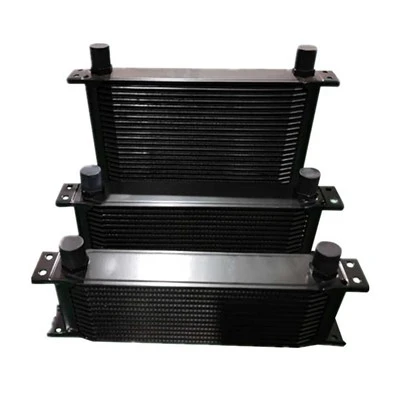
As a supplier of aluminum car radiators, I've witnessed firsthand the crucial role that radiator fin design plays in the overall performance of a vehicle's cooling system. In this blog post, I'll delve into the intricacies of aluminum car radiator fin design, exploring its various aspects, benefits, and how it impacts the efficiency of your vehicle's engine.
The Basics of Aluminum Car Radiator Fins
Aluminum car radiators are designed to dissipate heat generated by the engine. The fins on these radiators are thin, flat pieces of aluminum that are attached to the radiator tubes. Their primary function is to increase the surface area of the radiator, allowing for more efficient heat transfer. When coolant flows through the radiator tubes, heat is transferred from the coolant to the tubes and then to the fins. The fins, with their large surface area, then release this heat into the surrounding air.
There are several types of fin designs commonly used in aluminum car radiators, each with its own unique characteristics and advantages.
Types of Fin Designs
Straight Fins
Straight fins are the simplest and most common type of fin design. They are essentially flat pieces of aluminum that are attached to the radiator tubes in a parallel fashion. Straight fins are easy to manufacture and provide a large surface area for heat transfer. However, they may not be as efficient as some other fin designs in certain applications, especially those where airflow is limited.
Louvered Fins
Louvered fins are a more advanced type of fin design. They feature small, angled slits or louvers that are cut into the fin surface. These louvers disrupt the airflow over the fins, creating turbulence and increasing the heat transfer coefficient. This results in more efficient heat transfer compared to straight fins, especially at low airflow rates. Louvered fins are commonly used in high-performance radiators where maximum cooling efficiency is required.
Wave Fins
Wave fins, as the name suggests, have a wavy or corrugated shape. This design increases the surface area of the fins and also promotes turbulence in the airflow, similar to louvered fins. Wave fins are often used in radiators for heavy-duty applications, such as trucks and buses, where large amounts of heat need to be dissipated.
Pin Fins
Pin fins are small, cylindrical pins that are attached to the radiator tubes. They provide a large surface area for heat transfer and are particularly effective in applications where the airflow is perpendicular to the radiator tubes. Pin fins are commonly used in radiators for aerospace and military applications, where space is limited and high cooling efficiency is required.
Benefits of Aluminum Car Radiator Fins
Lightweight
Aluminum is a lightweight material, which makes aluminum car radiators and their fins much lighter than traditional copper or brass radiators. This reduces the overall weight of the vehicle, which can improve fuel efficiency and performance.
High Thermal Conductivity
Aluminum has a high thermal conductivity, which means it can transfer heat quickly and efficiently. This allows aluminum car radiators to dissipate heat more effectively than radiators made from other materials.
Corrosion Resistance
Aluminum is naturally resistant to corrosion, which makes aluminum car radiators more durable and long-lasting. This is especially important in harsh environments where the radiator may be exposed to moisture, salt, or other corrosive substances.

Cost-Effective
Aluminum is a relatively inexpensive material, which makes aluminum car radiators more cost-effective than radiators made from other materials. This makes them a popular choice for both automotive manufacturers and consumers.
Impact of Fin Design on Radiator Performance
The fin design of an aluminum car radiator has a significant impact on its performance. A well-designed fin can increase the surface area of the radiator, promote turbulence in the airflow, and improve the heat transfer coefficient. This results in more efficient heat transfer and better cooling performance.
However, it's important to note that the fin design must be optimized for the specific application. For example, a radiator for a high-performance sports car may require a different fin design than a radiator for a heavy-duty truck. Factors such as the engine size, cooling requirements, airflow rate, and available space all need to be considered when selecting the appropriate fin design.
Applications of Aluminum Car Radiators
Aluminum car radiators are used in a wide range of applications, including:
Passenger Cars
Aluminum car radiators are the standard choice for most passenger cars today. They provide efficient cooling performance, are lightweight, and are cost-effective.
Trucks and Buses
Heavy-duty trucks and buses require radiators that can dissipate large amounts of heat. Aluminum car radiators with wave fins or pin fins are commonly used in these applications due to their high cooling efficiency.
Racing Cars
Racing cars generate a lot of heat, especially during high-speed races. Aluminum car radiators with louvered fins or pin fins are often used in racing cars to provide maximum cooling performance.
Industrial Equipment
Aluminum car radiators are also used in a variety of industrial equipment, such as generators, compressors, and hydraulic systems. These radiators help to keep the equipment cool and prevent overheating.
Conclusion
In conclusion, the fin design of an aluminum car radiator is a critical factor in its performance. Different fin designs offer various benefits and are suitable for different applications. Whether you're looking for a radiator for a passenger car, a heavy-duty truck, or a high-performance racing car, there's an aluminum car radiator with the right fin design for your needs.
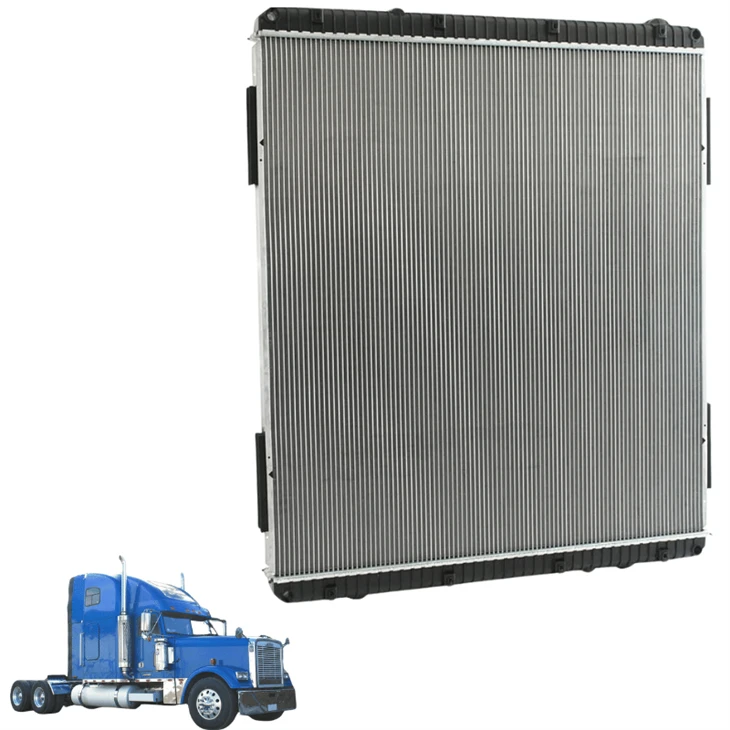
If you're in the market for an aluminum car radiator, we offer a wide range of products to meet your requirements. We have Freightliner Radiator Replacement options, Kenworth Radiator solutions, and the Zuoer 31 X 19 Aluminum Radiator for your specific needs. Our radiators are designed and manufactured to the highest standards, ensuring reliable performance and long-lasting durability.
If you have any questions or would like to discuss your radiator requirements, please don't hesitate to contact us. We're here to help you find the perfect radiator for your vehicle or equipment.
References
- Incropera, F. P., & DeWitt, D. P. (2002). Fundamentals of Heat and Mass Transfer. John Wiley & Sons.
- Holman, J. P. (2002). Heat Transfer. McGraw-Hill.
- Rohsenow, W. M., Hartnett, J. P., & Ganic, E. N. (1998). Handbook of Heat Transfer. McGraw-Hill.