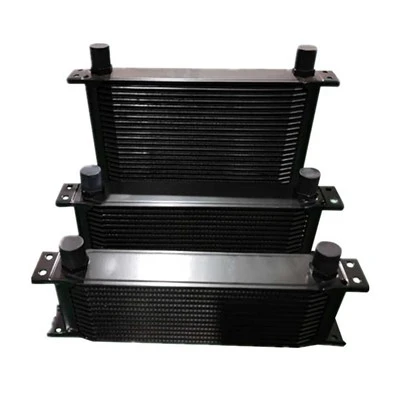
As a seasoned supplier of aluminum intercooler cores, I've witnessed firsthand the pivotal role these components play in optimizing engine performance. Aluminum intercooler cores are designed to cool the compressed air produced by a turbocharger or supercharger before it enters the engine. This cooler air is denser, which allows for a more efficient combustion process, leading to increased power output and improved fuel efficiency. However, like any automotive component, aluminum intercooler cores can suffer damage over time, which can significantly impact their performance. In this blog post, I'll discuss the signs of a damaged aluminum intercooler core and why it's crucial to address these issues promptly.
Reduced Engine Performance
One of the most noticeable signs of a damaged aluminum intercooler core is a reduction in engine performance. When the intercooler core is damaged, it may not be able to cool the compressed air effectively. As a result, the air entering the engine is warmer and less dense, which can lead to a decrease in power output. You may notice that your vehicle has less acceleration, struggles to maintain speed, or experiences a general lack of responsiveness. If you've noticed a significant drop in engine performance, it's essential to have your intercooler core inspected.
Increased Exhaust Gas Temperature (EGT)
Another sign of a damaged aluminum intercooler core is an increase in exhaust gas temperature. When the intercooler fails to cool the compressed air adequately, the engine has to work harder to maintain the same level of performance. This additional workload can cause the exhaust gas temperature to rise, which can lead to serious engine damage if left unchecked. If you have an EGT gauge installed in your vehicle, monitor it closely for any sudden or significant increases. A consistently high EGT reading could indicate a problem with your intercooler core.
Coolant Leaks
Aluminum intercooler cores are often used in conjunction with a liquid cooling system. If the intercooler core is damaged, it may develop leaks, allowing coolant to escape. You may notice signs of coolant leakage, such as puddles of coolant under your vehicle, a sweet smell coming from the engine bay, or a low coolant level in the reservoir. Coolant leaks can not only lead to overheating but also cause damage to other engine components if the coolant comes into contact with electrical systems or sensitive parts. If you suspect a coolant leak, it's important to have your intercooler core inspected and repaired as soon as possible.
Boost Pressure Loss
A damaged aluminum intercooler core can also result in a loss of boost pressure. The intercooler is responsible for maintaining the pressure of the compressed air as it passes through the system. If the core is damaged, it may allow air to leak out, reducing the pressure and efficiency of the turbocharger or supercharger. You may notice a decrease in boost pressure on your boost gauge or a lack of the characteristic "whoosh" sound associated with a properly functioning turbocharger. A loss of boost pressure can lead to reduced engine performance and increased fuel consumption.
Visible Damage
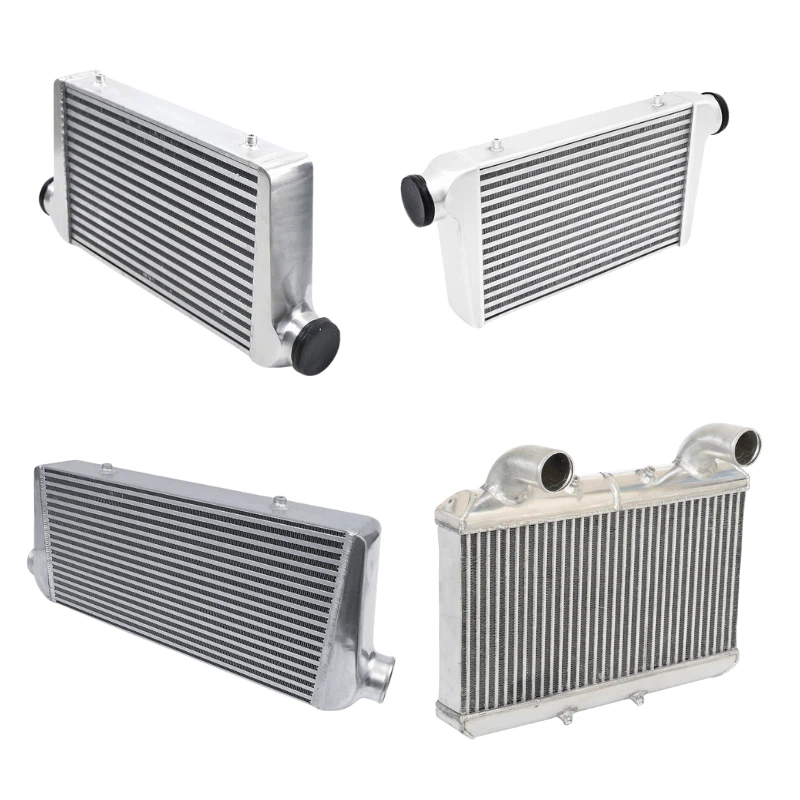
In some cases, the damage to the aluminum intercooler core may be visible. Inspect the intercooler core for signs of physical damage, such as dents, cracks, or holes. These can occur due to impact from road debris, improper installation, or corrosion over time. Visible damage can compromise the integrity of the intercooler core and allow coolant or compressed air to leak out. If you notice any visible damage, it's crucial to replace the intercooler core to prevent further issues.
Decreased Fuel Efficiency
A damaged intercooler core can also lead to decreased fuel efficiency. When the engine is not receiving the cooled, dense air it needs, it has to burn more fuel to produce the same amount of power. This can result in increased fuel consumption and higher costs at the pump. If you've noticed a significant increase in your fuel consumption, it's worth having your intercooler core checked for damage.

Poor Throttle Response
Poor throttle response is another common symptom of a damaged aluminum intercooler core. When the intercooler is not functioning properly, there may be a delay in the delivery of compressed air to the engine. This can cause a lag in throttle response, making it feel like your vehicle is slow to react when you press the accelerator. If you experience a noticeable delay in throttle response, it's possible that your intercooler core is damaged.
Unusual Noises
Finally, a damaged aluminum intercooler core may produce unusual noises. If there is a leak in the intercooler, you may hear a hissing or whistling sound, which is the sound of compressed air escaping. Additionally, if the intercooler core is loose or vibrating, it may produce a rattling noise. Unusual noises are a clear indication that something is wrong with your intercooler and should be addressed immediately.
Importance of Prompt Repairs
If you notice any of these signs of a damaged aluminum intercooler core, it's crucial to have it inspected and repaired as soon as possible. Ignoring the problem can lead to further damage to your engine and other components, which can be costly to repair. In addition, a damaged intercooler core can significantly reduce the performance and efficiency of your vehicle, making it less enjoyable to drive and more expensive to operate.
Our Services as an Aluminum Intercooler Core Supplier
As a reliable supplier of aluminum intercooler cores, we understand the importance of providing high-quality products that meet the needs of our customers. Our intercooler cores are manufactured using the latest technology and highest-quality materials to ensure optimal performance and durability. We offer a wide range of intercooler cores to fit various makes and models of vehicles, and we also provide custom solutions for specific applications.
In addition to our high-quality products, we also offer excellent customer service. Our team of experts is available to answer any questions you may have about our products or to assist you with finding the right intercooler core for your vehicle. We can also provide installation instructions and technical support to ensure that your intercooler core is installed correctly and functions properly.
If you're interested in learning more about our Aluminum Intercooler Radiator, Intercooler Aluminium, or 3 Inch Intercooler Piping Kit, please don't hesitate to contact us. We're always happy to discuss your needs and provide you with a quote.
Conclusion
In conclusion, a damaged aluminum intercooler core can have a significant impact on the performance and efficiency of your vehicle. By being aware of the signs of damage, you can take prompt action to have your intercooler core inspected and repaired, preventing further damage and ensuring optimal engine performance. As a trusted supplier of aluminum intercooler cores, we're committed to providing high-quality products and excellent customer service. If you suspect that your intercooler core is damaged or if you're in the market for a new intercooler core, we encourage you to contact us to discuss your options.
References
- Automotive Engineering Handbook: Turbocharging and Supercharging Systems.
- Bosch Automotive Handbook: Cooling and Air Management Systems.