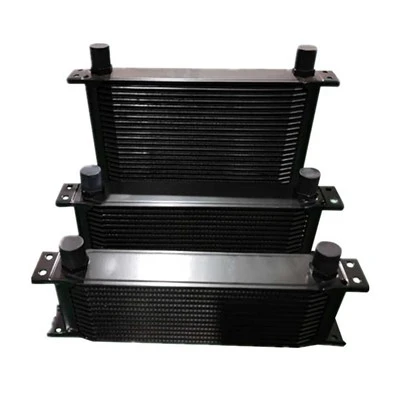
Do Subaru Aluminum Radiators Have a Lower Risk of Leakage?
As a supplier specializing in Subaru aluminum radiators, I've witnessed firsthand the growing popularity of these components in the automotive market. One question that frequently arises among car owners and enthusiasts is whether Subaru aluminum radiators have a lower risk of leakage compared to their counterparts made from other materials. In this blog post, I'll delve into the science behind aluminum radiators, explore their advantages, and examine whether they indeed offer a reduced risk of leakage.
Understanding the Basics of Radiators
Before we dive into the specifics of aluminum radiators, let's first understand the role of a radiator in a vehicle. A radiator is a key component of the engine cooling system, responsible for dissipating heat generated by the engine. As coolant circulates through the engine, it absorbs heat and then flows into the radiator. The radiator uses a series of tubes and fins to transfer the heat from the coolant to the surrounding air, effectively cooling the coolant before it returns to the engine.
The Rise of Aluminum Radiators
In the past, most radiators were made from copper and brass. These materials were known for their excellent heat transfer properties, but they were also heavy and prone to corrosion. In recent years, aluminum has emerged as a popular alternative due to its lightweight, high thermal conductivity, and resistance to corrosion. Aluminum radiators are now widely used in modern vehicles, including Subaru models.
Advantages of Aluminum Radiators
There are several reasons why aluminum radiators are becoming increasingly popular:

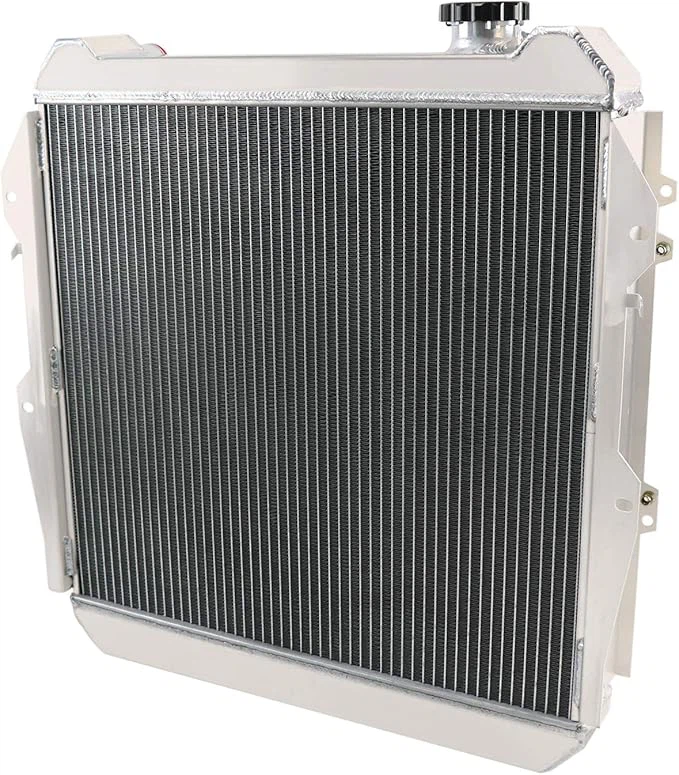
- Lightweight: Aluminum is significantly lighter than copper and brass, which helps to reduce the overall weight of the vehicle. This can improve fuel efficiency and performance.
- High Thermal Conductivity: Aluminum has excellent thermal conductivity, which means it can transfer heat more efficiently than other materials. This allows the radiator to cool the coolant more effectively, reducing the risk of overheating.
- Corrosion Resistance: Aluminum is naturally resistant to corrosion, which helps to extend the lifespan of the radiator. This is particularly important in areas where the vehicle is exposed to harsh environmental conditions, such as saltwater or road salt.
- Cost-Effective: Aluminum is generally less expensive than copper and brass, making it a more cost-effective option for radiator manufacturers. This cost savings can be passed on to the consumer.
Do Aluminum Radiators Have a Lower Risk of Leakage?
Now, let's address the question at hand: do Subaru aluminum radiators have a lower risk of leakage? The short answer is yes, but it's important to understand why.
One of the main causes of radiator leakage is corrosion. As mentioned earlier, aluminum is naturally resistant to corrosion, which means it is less likely to develop holes or cracks over time. This reduces the risk of coolant leakage, which can lead to engine overheating and other serious problems.
Another factor that contributes to the lower risk of leakage in aluminum radiators is their construction. Aluminum radiators are typically made using advanced manufacturing techniques, such as brazing and welding, which create strong and durable joints. These joints are less likely to fail compared to the soldered joints used in copper and brass radiators.
In addition, aluminum radiators are often designed with thicker walls and fins, which makes them more resistant to damage. This can help to prevent leaks caused by physical impacts or vibrations.
Real-World Examples
To illustrate the benefits of aluminum radiators, let's take a look at some real-world examples. I've worked with many Subaru owners who have switched from copper and brass radiators to aluminum radiators, and the results have been consistently positive.
One customer, John, had been experiencing frequent radiator leaks in his Subaru Outback. After replacing the radiator with an aluminum one, he noticed a significant improvement in the cooling performance of his vehicle. The new radiator was able to keep the engine at a consistent temperature, even during long drives in hot weather. And best of all, he hasn't had any more radiator leaks since the replacement.
Another customer, Sarah, was concerned about the environmental impact of her vehicle. She was looking for a more eco-friendly option for her Subaru Forester, and she decided to go with an aluminum radiator. Not only was the aluminum radiator more energy-efficient, but it also had a lower risk of leakage, which meant less coolant was being released into the environment.
Other Japanese Car Radiators
In addition to Subaru aluminum radiators, we also offer a wide range of radiators for other Japanese car models. For example, we have Toyota T100 Aluminum Radiator, Toyota 3.0 Aluminum Radiator, and Toyota Pickup Aluminum Radiator. These radiators are designed to meet the specific requirements of each vehicle model, providing reliable cooling performance and a lower risk of leakage.
Conclusion
In conclusion, Subaru aluminum radiators do have a lower risk of leakage compared to radiators made from other materials. Their lightweight, high thermal conductivity, corrosion resistance, and advanced construction make them a reliable and cost-effective option for vehicle owners. If you're in the market for a new radiator for your Subaru or other Japanese car, I highly recommend considering an aluminum radiator.
If you're interested in learning more about our Subaru aluminum radiators or other products, please don't hesitate to contact us. We'd be happy to discuss your needs and provide you with a quote. Our team of experts is here to help you find the right radiator for your vehicle, ensuring optimal performance and reliability.
References
- "Automotive Cooling Systems: Design and Integration" by Maximillian Schroder and Peter Van Blarigan
- "The Automotive Radiator: A Historical Perspective" by Richard J. Porter
- "Aluminum Alloys for Automotive Applications" by John F. Wallace and Steven H. Howard