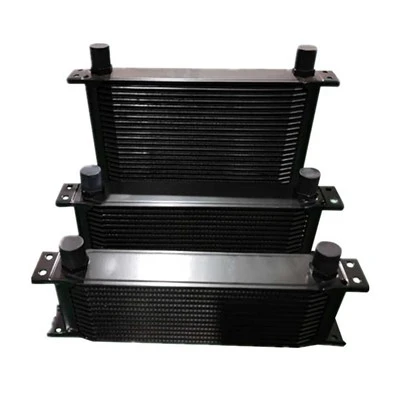
Hey there, fellow car enthusiasts! As a supplier of Bmw Aluminum Radiators, I've been getting a ton of questions lately about whether an aluminum radiator is better than a copper one for BMWs. So, I thought I'd dive deep into this topic and share my insights with you all.
Let's start by looking at the basics. Both copper and aluminum radiators have been around for a long time and have their own unique features. Copper radiators have been the go - to choice for many years. They're known for their excellent heat transfer properties. Copper is a great conductor of heat, which means it can quickly move the heat from the coolant to the air flowing through the radiator. This is super important because the main job of a radiator is to keep your engine cool. If the engine gets too hot, it can lead to all sorts of problems like overheating, engine damage, and a whole lot of expensive repairs.
On the other hand, aluminum radiators have been gaining popularity in recent years, especially in high - performance and modern vehicles like BMWs. Aluminum is a lightweight metal, and this is a huge advantage. A lighter radiator means less weight for your car to carry around. And as we all know, less weight generally means better fuel efficiency and improved handling. You can get a Champion 3 Core Aluminum Radiator that combines the lightweight advantage with good cooling performance.
Now, let's talk about durability. Copper radiators are pretty tough. They can withstand a lot of wear and tear. But copper is also more prone to corrosion, especially when it comes into contact with certain chemicals in the coolant or the environment. Over time, this corrosion can eat away at the radiator, leading to leaks and reduced performance. Aluminum, on the other hand, forms a protective oxide layer on its surface when it's exposed to air. This oxide layer helps prevent further corrosion, making aluminum radiators more resistant to rust and other forms of damage. For a long - lasting option, you might want to check out Champion 3 Row Aluminum Radiator.
In terms of cost, copper radiators tend to be more expensive. Copper is a more valuable metal than aluminum, and the manufacturing process for copper radiators can also be more complex. Aluminum radiators are generally more affordable, which is great news if you're on a budget. But don't think that just because they're cheaper, they're not as good. With advancements in technology, aluminum radiators can now offer comparable, if not better, performance in many cases.
When it comes to heat transfer, while copper has a higher thermal conductivity than aluminum, modern aluminum radiators are designed in such a way that they can still provide excellent cooling. They often have larger surface areas, more efficient fin designs, and better flow paths for the coolant. This allows them to transfer heat effectively, even though the metal itself isn't as good a conductor as copper.
Another aspect to consider is the ease of installation. Aluminum radiators are usually easier to install because of their lighter weight. You don't have to struggle as much to lift and position them in your car. This can save you a lot of time and effort, whether you're a DIYer or a professional mechanic.
Now, let's focus on BMWs specifically. BMWs are high - performance vehicles that demand top - notch cooling systems. The engine in a BMW generates a lot of heat, especially when you're pushing it hard on the road or the track. An aluminum radiator can handle this heat effectively. It can keep the engine at an optimal temperature, ensuring that your BMW runs smoothly and efficiently. You can find a great selection of Bmw Aluminum Radiator options that are specifically designed for different BMW models.
If you're into racing or high - performance driving, an aluminum radiator is a no - brainer. Its lightweight design and excellent cooling capabilities can give you an edge on the track. You'll notice improved acceleration, better handling, and less risk of overheating during intense driving sessions.
But what about if you're just using your BMW for daily commuting? Well, an aluminum radiator is still a great choice. It'll save you money on fuel, and you won't have to worry as much about corrosion and leaks. You can enjoy a reliable and efficient cooling system without breaking the bank.
In conclusion, while copper radiators have their merits, I firmly believe that for BMWs, an aluminum radiator is the better option. It offers a great combination of lightweight design, durability, cost - effectiveness, and excellent cooling performance. Whether you're a weekend warrior on the track or a daily commuter, an aluminum radiator can meet your needs.
If you're interested in purchasing a high - quality Bmw Aluminum Radiator, I'd love to have a chat with you. We can discuss your specific requirements, and I can help you find the perfect radiator for your BMW. Just reach out, and let's start the conversation.


References:
- Automotive Cooling System Basics - Industry Publications
- BMW Vehicle Technical Manuals
- Aluminum vs Copper in Automotive Applications - Research Papers