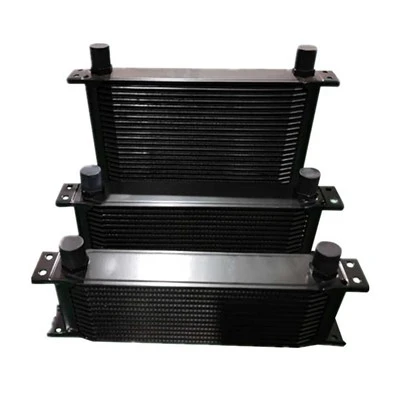
As a seasoned supplier of aluminum condensers, I've witnessed firsthand the growing demand for energy - efficient solutions in the industry. Aluminum condensers are widely used in various applications, from air conditioning systems to industrial cooling processes. However, high energy consumption has always been a concern for users. In this blog, I'll share some practical strategies on how to reduce the energy consumption of an aluminum condenser.
1. Optimize the Design of Aluminum Condensers
The design of an aluminum condenser plays a crucial role in its energy efficiency. When designing a condenser, we need to consider factors such as heat transfer area, flow path, and fin design.
- Increase Heat Transfer Area: A larger heat transfer area allows for more efficient heat exchange between the refrigerant and the surrounding environment. We can increase the heat transfer area by using extended surfaces, such as fins. For example, the Aluminum Bar Plate Heat Exchanger features a unique design with multiple plates and bars, which significantly increases the heat transfer area compared to traditional condensers. This enhanced heat transfer efficiency reduces the amount of energy required to cool the refrigerant.
- Optimize Flow Path: The flow path of the refrigerant and the cooling medium (usually air or water) should be carefully designed to ensure uniform flow and minimize pressure drop. A well - designed flow path can improve heat transfer performance and reduce the energy consumption of the condenser. For instance, by using a counter - flow arrangement, where the refrigerant and the cooling medium flow in opposite directions, we can maximize the temperature difference between the two fluids, thereby enhancing heat transfer efficiency.
- Choose the Right Fin Design: Fins are an important part of an aluminum condenser as they increase the heat transfer area. Different fin designs, such as plain fins, louvered fins, and micro - fins, have different heat transfer characteristics. Louvered fins, for example, can disrupt the boundary layer of the air flowing over the fins, improving heat transfer coefficient. When selecting a fin design, we need to consider factors such as the application, the type of cooling medium, and the operating conditions.
2. Maintain the Aluminum Condenser Regularly
Regular maintenance is essential for ensuring the efficient operation of an aluminum condenser and reducing energy consumption.
- Clean the Condenser Coils: Over time, dirt, dust, and debris can accumulate on the surface of the Aluminum Condenser Coil, reducing its heat transfer efficiency. Cleaning the condenser coils regularly can remove these contaminants and restore the heat transfer performance of the condenser. We can use a soft brush or a low - pressure water spray to clean the coils. It's important to be gentle when cleaning to avoid damaging the fins.
- Check the Refrigerant Level: The refrigerant level in the condenser should be checked regularly to ensure that it is within the recommended range. A low refrigerant level can cause the condenser to operate inefficiently, as the reduced amount of refrigerant may not be able to absorb and release heat effectively. On the other hand, an over - charged refrigerant system can also lead to increased energy consumption and potential damage to the compressor.
- Inspect the Fan and Motor: The fan and motor of the condenser are responsible for moving the cooling medium (usually air) over the condenser coils. A malfunctioning fan or motor can reduce the airflow, resulting in poor heat transfer and increased energy consumption. We should regularly inspect the fan blades for damage, check the motor for proper operation, and lubricate the bearings if necessary.
3. Use Energy - Efficient Components
Using energy - efficient components in the aluminum condenser system can significantly reduce energy consumption.
- High - Efficiency Compressor: The compressor is the heart of a refrigeration system, and its energy efficiency has a major impact on the overall energy consumption of the condenser. High - efficiency compressors, such as variable - speed compressors, can adjust their speed according to the cooling load, reducing energy consumption during periods of low demand. For example, in an air conditioning system, a variable - speed compressor can operate at a lower speed when the cooling demand is low, saving energy compared to a fixed - speed compressor.
- Energy - Efficient Fan Motors: The fan motors used in the condenser should be energy - efficient. Motors with high efficiency ratings, such as premium - efficiency motors, can consume less electricity while providing the same amount of airflow. Additionally, using variable - speed fan motors can further optimize the energy consumption of the condenser by adjusting the fan speed according to the cooling demand.
4. Control the Operating Conditions
Proper control of the operating conditions of the aluminum condenser can also help reduce energy consumption.
- Adjust the Cooling Medium Flow Rate: The flow rate of the cooling medium (air or water) can be adjusted according to the cooling load. During periods of low cooling demand, reducing the flow rate of the cooling medium can save energy. For example, in an air - cooled condenser, we can use a variable - speed fan to adjust the airflow rate. In a water - cooled condenser, we can use a variable - speed pump to control the water flow rate.
- Monitor and Control the Condensing Temperature: The condensing temperature of the refrigerant in the condenser should be carefully monitored and controlled. A higher condensing temperature requires more energy to cool the refrigerant. By maintaining the condensing temperature within the optimal range, we can reduce the energy consumption of the condenser. This can be achieved by adjusting the cooling medium flow rate, the refrigerant charge, or using a condenser pressure control system.
5. Consider the Application and Environment
The application and the environment in which the aluminum condenser is used also have an impact on its energy consumption.
- Match the Condenser to the Application: Different applications have different cooling requirements. When selecting an aluminum condenser, we need to ensure that it is properly sized and designed for the specific application. For example, in a commercial air conditioning system, the condenser should be sized to meet the peak cooling load of the building. An oversized condenser can lead to inefficient operation and increased energy consumption, while an undersized condenser may not be able to provide sufficient cooling.
- Adapt to the Environment: The ambient temperature, humidity, and air quality can affect the performance of an aluminum condenser. In hot and humid environments, the condenser may need to work harder to cool the refrigerant. We can take measures to adapt to the environment, such as using a pre - cooler to reduce the temperature of the incoming air or water, or using a corrosion - resistant coating on the condenser to protect it from the harsh environment.
In conclusion, reducing the energy consumption of an aluminum condenser requires a comprehensive approach that includes optimizing the design, regular maintenance, using energy - efficient components, controlling the operating conditions, and considering the application and environment. As a supplier of aluminum condensers, we are committed to providing our customers with high - quality, energy - efficient products and solutions. If you are interested in our Aluminum Ac Condenser or other aluminum condenser products, and want to learn more about how to reduce energy consumption in your specific application, please feel free to contact us for further discussion and procurement negotiation.


References
- Incropera, F. P., & DeWitt, D. P. (2002). Fundamentals of Heat and Mass Transfer. Wiley.
- ASHRAE Handbook - HVAC Systems and Equipment (2019). American Society of Heating, Refrigerating and Air - Conditioning Engineers.
- Stoecker, W. F., & Jones, J. W. (1982). Refrigeration and Air Conditioning. McGraw - Hill.