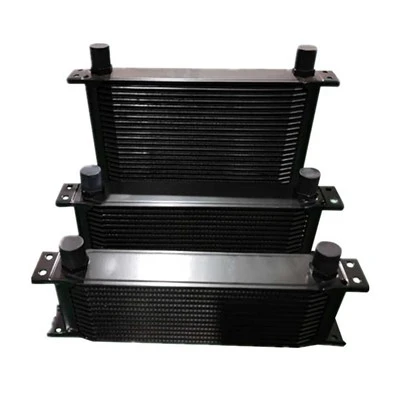
Hey there! I'm an all aluminum intercooler supplier, and I've seen my fair share of issues with these nifty parts. In this blog, I'll walk you through how to troubleshoot problems with an all aluminum intercooler. Whether you're a DIY enthusiast or a professional mechanic, these tips will come in handy.
1. Understanding the Basics of an All Aluminum Intercooler
Before we dive into troubleshooting, let's quickly go over what an all aluminum intercooler does. An intercooler is a crucial component in turbocharged and supercharged engines. Its main job is to cool down the compressed air coming from the turbocharger or supercharger before it enters the engine. Cooler air is denser, which means more oxygen can be packed into each cylinder, resulting in better combustion and more power.
All aluminum intercoolers are popular because aluminum is lightweight, has excellent heat transfer properties, and is relatively corrosion-resistant. They're made up of a core, end tanks, and sometimes piping. The core is where the heat exchange happens, and the end tanks distribute the air evenly through the core. You can check out our Aluminum Intercooler Core for more details on the core itself.
2. Common Problems and How to Spot Them
Overheating
One of the most common issues with an all aluminum intercooler is overheating. If the intercooler isn't cooling the air effectively, you'll notice a drop in engine performance. The engine might feel sluggish, and you could experience a loss of power, especially during high-speed or high-load driving.
To check for overheating, you can use an infrared thermometer to measure the temperature of the air going into and coming out of the intercooler. If the temperature difference is smaller than usual, it could mean the intercooler isn't working properly. Another sign is if the engine's intake air temperature sensor is reading higher than normal.
Leaks
Leaks are another big problem. A leak in the intercooler can cause a loss of boost pressure, which will also lead to a decrease in engine performance. You might notice a hissing sound coming from the intercooler area, especially when the engine is under boost. This is a telltale sign of a leak.
To check for leaks, you can perform a pressure test. First, make sure the engine is off and cooled down. Then, disconnect the intercooler from the turbocharger and intake manifold. Plug one end of the intercooler and use a pressure tester to apply pressure to the other end. If the pressure drops quickly, there's a leak somewhere. You can also visually inspect the intercooler for any cracks or holes. Look closely at the welds, especially around the end tanks and the core.
Clogging
Over time, the intercooler can get clogged with dirt, debris, and oil. This restricts the airflow through the core, reducing its efficiency. You might notice a decrease in engine power, and the engine could run rough.
To check for clogging, you can remove the intercooler and inspect it visually. If you see a lot of dirt or debris on the fins, it's likely clogged. You can also use a borescope to look inside the core for any blockages.
3. Troubleshooting Steps
For Overheating
- Check the Cooling System: Make sure the radiator and cooling fans are working properly. If the engine is running hot in general, it can affect the intercooler's performance. Also, check the coolant level and make sure there are no leaks in the cooling system.
- Clean the Intercooler: A dirty intercooler can't transfer heat effectively. You can use a soft brush and a mild detergent to clean the fins and tubes of the intercooler. Rinse it thoroughly with water and let it dry completely before reinstalling it.
- Inspect the Airflow: Make sure there are no obstructions in front of the intercooler. The intercooler needs a good flow of air to cool the compressed air. Check for any debris or aftermarket accessories that might be blocking the airflow.
For Leaks
- Repair Small Leaks: If you find a small crack or hole, you can try using an epoxy or a high-temperature sealant to repair it. Make sure to follow the manufacturer's instructions carefully.
- Replace Damaged Parts: For larger leaks or if the welds are broken, you might need to replace the damaged parts. You can find replacement parts like end tanks or even a whole Intercooler Aluminium on our website.
- Check the Piping: Sometimes, the leak might be in the intercooler piping rather than the intercooler itself. Inspect the piping for any cracks, loose connections, or damaged clamps. You can upgrade to a 3 Inch Intercooler Piping Kit for a more secure and efficient connection.
For Clogging
- Flush the Intercooler: If the intercooler is clogged with dirt and debris, you can try flushing it with a high-pressure water hose. Start from the opposite end of the airflow to dislodge the debris. You can also use a degreaser to remove any oil buildup.
- Replace the Filter: If your intercooler has a pre - filter, make sure to replace it regularly. A dirty filter can contribute to clogging.
4. Preventive Maintenance
Preventing problems is always better than fixing them. Here are some tips for maintaining your all aluminum intercooler:
- Regular Inspections: Check the intercooler for any signs of damage, leaks, or clogging at least once a month. This can help you catch problems early and prevent them from getting worse.
- Keep it Clean: Clean the intercooler every few months, especially if you drive in dusty or dirty conditions. This will ensure optimal heat transfer and airflow.
- Use Quality Parts: When replacing any parts of the intercooler or the associated piping, make sure to use high - quality parts. This will reduce the risk of leaks and other problems.
5. When to Seek Professional Help
Sometimes, troubleshooting an all aluminum intercooler can be tricky, especially if you're not experienced. If you've tried all the troubleshooting steps and still can't figure out the problem, or if you're not comfortable working on the intercooler yourself, it's a good idea to seek professional help. A professional mechanic can use specialized tools and equipment to diagnose and fix the problem accurately.
6. Conclusion
Troubleshooting problems with an all aluminum intercooler isn't rocket science, but it does require a bit of knowledge and some basic tools. By following the steps outlined in this blog, you can keep your intercooler in top shape and ensure your engine performs at its best.


If you're in the market for a new all aluminum intercooler or replacement parts, we're here to help. We're a trusted supplier of high - quality intercoolers and related products. Don't hesitate to reach out to us for more information or to start a procurement discussion. We're always happy to assist you in finding the right solutions for your needs.
References
- Automotive Repair Manuals
- Online forums and communities for automotive enthusiasts
- Manufacturer's documentation for all aluminum intercoolers