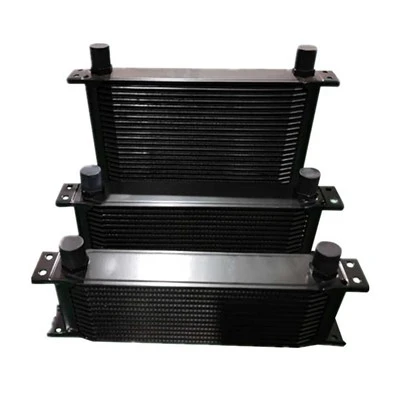
Dust and debris can have a significant impact on the performance and longevity of an aluminum condenser coil. As a trusted supplier of Aluminum Condenser Coil, I've witnessed firsthand how these seemingly innocuous particles can lead to major issues in HVAC systems. In this blog, I'll delve into the science behind how dust and debris affect an aluminum condenser coil and discuss why it's crucial to keep them clean.
How Dust and Debris Accumulate on Aluminum Condenser Coils
Aluminum condenser coils are commonly used in air conditioning and refrigeration systems due to their excellent heat transfer properties and corrosion resistance. However, these coils are often exposed to the environment, making them susceptible to the accumulation of dust, dirt, leaves, and other debris. When the system is operating, air is drawn through the condenser coil to facilitate heat exchange. As the air passes over the coil, it can carry with it small particles that stick to the surface of the aluminum fins.
Over time, this layer of dust and debris can build up, forming a thick coating on the coil. The accumulation process is accelerated in areas with high levels of pollution, construction sites, or where there is a lot of vegetation. Additionally, improper installation or lack of regular maintenance can also contribute to the rapid buildup of contaminants on the coil.
Effects on Heat Transfer
One of the primary functions of an aluminum condenser coil is to transfer heat from the refrigerant inside the coil to the surrounding air. A clean coil has a large surface area that allows for efficient heat exchange. However, when dust and debris accumulate on the coil, they act as an insulating layer, reducing the coil's ability to transfer heat effectively.
The layer of dust and debris creates a barrier between the refrigerant and the air, increasing the thermal resistance. As a result, the refrigerant takes longer to release its heat, causing the temperature inside the coil to rise. This increase in temperature can lead to a decrease in the efficiency of the entire HVAC system. The compressor has to work harder to maintain the desired cooling or refrigeration effect, which not only consumes more energy but also puts additional stress on the components.
Studies have shown that a dirty condenser coil can reduce the efficiency of an HVAC system by up to 30%. This means that the system will consume more electricity to achieve the same level of cooling, resulting in higher energy bills for the user. Moreover, the reduced efficiency can also lead to longer operating times, which can cause premature wear and tear on the compressor and other components, increasing the likelihood of breakdowns and costly repairs.
Impact on Airflow
In addition to affecting heat transfer, dust and debris can also obstruct the airflow through the condenser coil. The fins on an aluminum condenser coil are designed to maximize the surface area for heat exchange and to allow air to flow freely over the coil. However, when the fins are clogged with dirt and debris, the airflow is restricted.
Restricted airflow can have several negative consequences. First, it further reduces the efficiency of heat transfer, as the air is not able to carry away the heat from the coil effectively. Second, it can cause the pressure inside the system to increase, which can lead to compressor failure. The compressor is designed to operate within a specific pressure range, and an increase in pressure can cause it to overheat and eventually break down.
Furthermore, restricted airflow can also lead to uneven cooling or heating in the space being conditioned. If the air is not able to circulate properly through the system, some areas may receive less cooling or heating than others, resulting in discomfort for the occupants.
Corrosion and Longevity
Another concern associated with dust and debris on an aluminum condenser coil is the potential for corrosion. Aluminum is a relatively corrosion-resistant metal, but when it is exposed to certain contaminants, such as acidic particles in the dust or moisture trapped by the debris, it can start to corrode.


The layer of dust and debris can trap moisture on the surface of the coil, creating a humid environment that is conducive to corrosion. Additionally, some types of dust may contain chemicals or pollutants that can react with the aluminum, causing it to degrade over time. Corrosion can weaken the structure of the coil, leading to leaks and ultimately rendering the coil useless.
A corroded coil not only affects the performance of the HVAC system but also shortens its lifespan. Replacing a condenser coil can be a costly and time-consuming process, so it's important to take steps to prevent corrosion by keeping the coil clean and free of debris.
Preventive Measures and Maintenance
To mitigate the effects of dust and debris on an aluminum condenser coil, regular maintenance is essential. Here are some preventive measures that can help keep the coil in good condition and ensure optimal performance:
- Regular Cleaning: Schedule regular cleaning of the condenser coil at least once a year, or more frequently in areas with high levels of pollution. Use a soft brush or a low-pressure water spray to remove the dust and debris from the coil. Avoid using high-pressure water, as it can damage the delicate fins on the coil.
- Install Air Filters: Install high-quality air filters in the HVAC system to prevent dust and debris from entering the system in the first place. Replace the filters regularly according to the manufacturer's recommendations.
- Keep the Surrounding Area Clean: Clear the area around the condenser unit of any leaves, grass, or other debris. Make sure there is adequate clearance around the unit to allow for proper airflow.
- Professional Inspection: Have a professional HVAC technician inspect the system regularly to check for any signs of damage or corrosion. They can also perform more thorough cleaning and maintenance tasks, such as coil fin straightening and refrigerant level checks.
Conclusion
As a supplier of Aluminum Ac Condenser and Aluminum Bar Plate Heat Exchanger, I understand the importance of maintaining the performance and longevity of aluminum condenser coils. Dust and debris can have a detrimental effect on the efficiency, airflow, and lifespan of these coils, leading to higher energy costs, increased maintenance requirements, and potential system failures.
By implementing regular maintenance practices and taking preventive measures, users can ensure that their aluminum condenser coils operate at peak performance. If you're in the market for high-quality aluminum condenser coils or need advice on maintenance, I encourage you to reach out to us. We're here to help you find the right solutions for your HVAC needs and to ensure that your systems run smoothly for years to come.
References
- ASHRAE Handbook - HVAC Systems and Equipment. American Society of Heating, Refrigerating and Air-Conditioning Engineers.
- "The Impact of Dirty Condenser Coils on HVAC System Performance" by HVAC&R Research Journal.
- Manufacturer's guides and technical specifications for aluminum condenser coils.