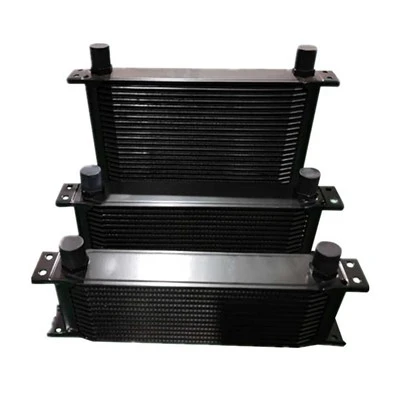
Hey there, folks! As a supplier of Champion Aluminum Radiators, I've seen my fair share of radiator issues over the years. Radiators are a crucial part of your vehicle's cooling system, and when they start acting up, it can spell trouble. But don't worry, I'm here to walk you through how to troubleshoot problems with a Champion Aluminum Radiator.
1. Check for Leaks
One of the most common problems with radiators is leaks. You can usually spot a leak by looking for puddles of coolant under your car. But sometimes, the leak might be small, and you won't see a big puddle. In that case, you can look for signs of coolant on the radiator itself. Check around the seams, hoses, and connections. If you see any wet spots or a crusty, white residue, that's a sign of a leak.
Another way to check for leaks is to use a pressure tester. You can buy a pressure tester at most auto parts stores. Attach the tester to the radiator cap opening and pump it up to the recommended pressure. If the pressure drops quickly, you've got a leak somewhere.
If you find a leak, it's important to fix it as soon as possible. A small leak can turn into a big problem if left untreated, and it can cause your engine to overheat. Depending on where the leak is, you might be able to patch it up with a radiator sealant. But if the leak is in a major part of the radiator, like the core, you might need to replace the whole thing.
2. Inspect the Hoses
The hoses that connect the radiator to the engine are also important. Over time, these hoses can wear out, crack, or become loose. If a hose is cracked or leaking, it can cause coolant to leak out and your engine to overheat.
Inspect the hoses regularly for any signs of damage. Look for cracks, bulges, or soft spots. You can also squeeze the hoses gently to see if they feel spongy. If they do, that's a sign that they might be starting to break down.
If you find a damaged hose, replace it right away. You can buy replacement hoses at most auto parts stores. Make sure to get the right size and type of hose for your vehicle.
3. Check the Coolant Level
The coolant level in your radiator is crucial for keeping your engine cool. If the coolant level is too low, your engine can overheat. You should check the coolant level regularly, especially before long trips.
To check the coolant level, wait until your engine is cool. Then, open the radiator cap (be careful, it might be hot). The coolant level should be between the "min" and "max" marks on the side of the radiator. If it's below the "min" mark, you need to add more coolant.
Use the type of coolant recommended by your vehicle's manufacturer. You can usually find this information in your owner's manual. Don't mix different types of coolant, as this can cause problems.
4. Look at the Radiator Fan
The radiator fan helps to cool the coolant as it passes through the radiator. If the fan isn't working properly, the coolant won't cool down enough, and your engine can overheat.
Check to see if the fan is spinning when your engine is running. You can do this by looking at the fan while the engine is running. If the fan isn't spinning, there could be a problem with the fan motor, the fan clutch, or the wiring.
If the fan motor is bad, you'll need to replace it. You can buy a replacement fan motor at most auto parts stores. If the fan clutch is the problem, it might be possible to repair it, but in most cases, you'll need to replace it.
5. Examine the Radiator Core
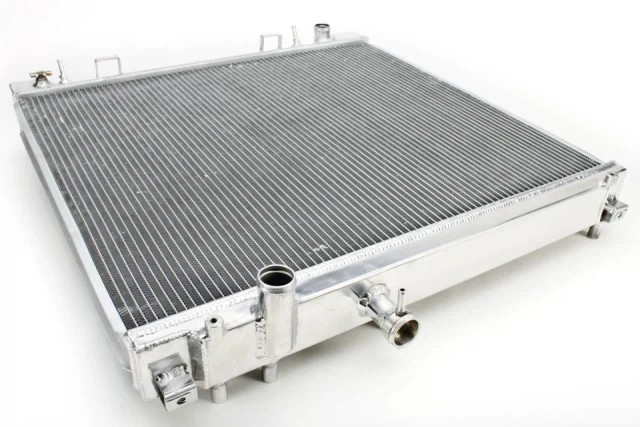
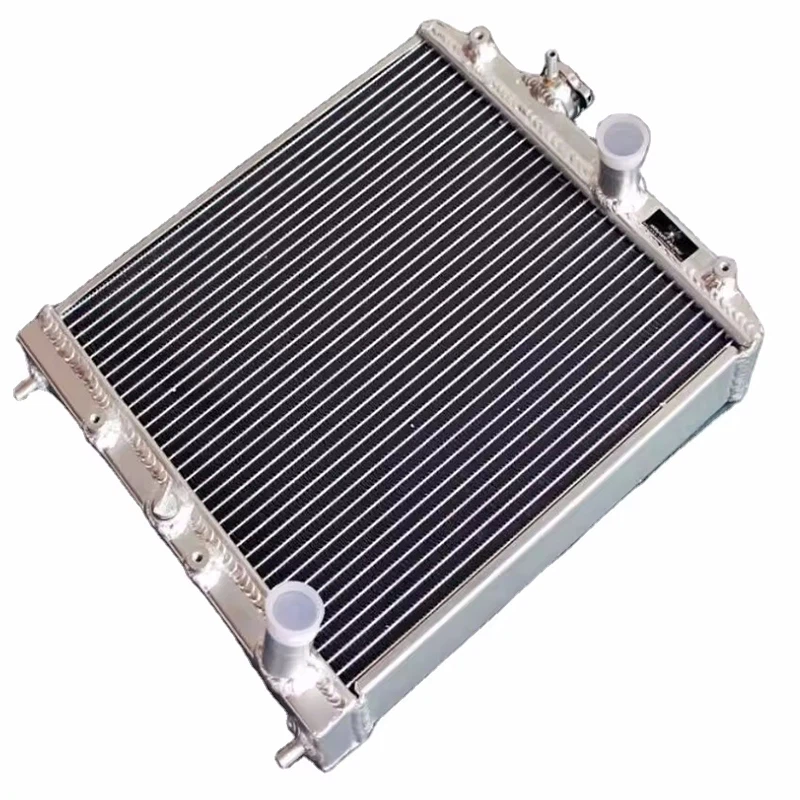
The radiator core is the part of the radiator that actually cools the coolant. Over time, the core can become clogged with dirt, debris, and rust. This can reduce the radiator's ability to cool the coolant and cause your engine to overheat.
You can visually inspect the radiator core for any signs of clogging. Look for dirt, debris, or rust on the fins of the radiator. If you see a lot of buildup, you can try cleaning the radiator core with a radiator cleaner. You can buy radiator cleaner at most auto parts stores.
Follow the instructions on the cleaner carefully. Usually, you'll need to drain the coolant from the radiator, fill it with the cleaner and water, and let it sit for a while. Then, drain the cleaner and flush the radiator with water several times.
If the radiator core is severely clogged, you might need to take it to a professional radiator shop to have it cleaned or replaced.
6. Consider the Thermostat
The thermostat regulates the flow of coolant through the engine. If the thermostat is stuck closed, the coolant won't flow through the radiator, and your engine will overheat. If it's stuck open, the engine might not reach its optimal operating temperature.
If you suspect that the thermostat is the problem, you can test it. You'll need to remove the thermostat from your engine and place it in a pot of boiling water. If the thermostat doesn't open when the water boils, it's bad and needs to be replaced.
You can buy a replacement thermostat at most auto parts stores. Make sure to get the right one for your vehicle.
Specific Models and Their Troubleshooting
When it comes to specific models, things can get a bit more detailed. For example, if you have a Honda Aluminum Radiator, you might encounter some unique issues. Honda radiators are known for their high - quality construction, but they can still develop problems over time.
The same goes for the Toyota T100 Aluminum Radiator. Toyota vehicles are generally very reliable, but the radiator can still be a weak point if not properly maintained.
And if you're driving a Nissan with a Nissan Titan Aluminum Radiator, you need to pay attention to its specific requirements. Nissan radiators are designed to work well with their engines, but they can also face problems like leaks, clogging, and fan issues.
Conclusion
Troubleshooting problems with a Champion Aluminum Radiator isn't rocket science. By following these steps, you can identify and fix most common radiator problems. Remember, regular maintenance is key to keeping your radiator and your engine in good shape.
If you're having trouble with your radiator or if you're looking to buy a new Champion Aluminum Radiator, don't hesitate to reach out. We're here to help you find the right radiator for your vehicle and provide you with all the support you need. Whether you're a DIY enthusiast or a professional mechanic, we've got the products and knowledge to get the job done right.
References
- Haynes Repair Manuals
- Chilton's Auto Repair Manuals
- Various automotive forums and online communities