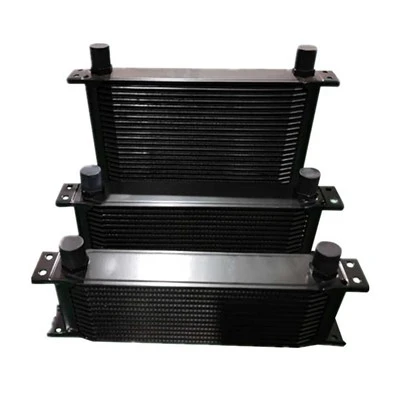
Hey there, racing enthusiasts! As a supplier of top - notch aluminum race radiators, I know how crucial it is to keep your radiator in tip - top shape. One of the most basic yet essential maintenance tasks is checking the coolant level. In this blog, I'll walk you through the steps on how to do it right.
First off, let's talk about why checking the coolant level is so important. Coolant, also known as antifreeze, plays a vital role in your racing vehicle's engine. It helps regulate the engine's temperature, preventing it from overheating during those high - speed runs. If the coolant level is too low, your engine can get way too hot, leading to all sorts of problems like a blown head gasket or even engine failure. And trust me, you don't want to deal with those headaches on race day.
Now, before you start checking the coolant level, make sure your engine is cool. You don't want to burn yourself on a hot radiator. It's a good idea to wait at least an hour after you've shut off the engine. This gives the coolant time to cool down and settle.
The first thing you'll need to do is locate the coolant reservoir. In most aluminum race radiators, there's a separate reservoir that stores the coolant. It's usually a translucent plastic container, so you can easily see the coolant level. The reservoir will have markings on it, indicating the minimum and maximum levels.
Once you've found the reservoir, take a close look at the coolant level. If the coolant is between the minimum and maximum marks, you're good to go. But if it's below the minimum mark, you'll need to add some coolant.
When adding coolant, it's important to use the right type. Different engines require different types of coolant, so check your vehicle's owner's manual to see what's recommended. You can also find this information on the radiator's product specifications. And don't just pour any old coolant in there. Make sure it's a high - quality coolant that's designed for racing applications.
Now, if you can't see the coolant level in the reservoir clearly, or if your radiator doesn't have a reservoir, you'll need to check the radiator itself. But be extra careful when doing this, as the radiator can be under pressure even when the engine is cool.
To check the radiator, you'll need to remove the radiator cap. But remember, only do this when the engine is completely cool. Slowly turn the cap counter - clockwise. You might hear a hissing sound as the pressure is released. Wait until the hissing stops before fully removing the cap.
Once the cap is off, take a look inside the radiator. You should see coolant up to a certain level. If it's low, you can add coolant directly to the radiator. But be careful not to overfill it.
Now, let's talk about some common mistakes to avoid when checking the coolant level. One of the biggest mistakes is checking the coolant level when the engine is hot. This can be extremely dangerous, as the hot coolant can spray out and burn you. Another mistake is using the wrong type of coolant. Using the wrong coolant can cause corrosion and other problems in your radiator.
So, there you have it, folks! Checking the coolant level in an aluminum race radiator is a simple but important task. By doing it regularly, you can ensure that your engine stays cool and performs at its best on the track.


If you're in the market for a new aluminum race radiator, we've got some great options for you. Check out our Koyo Aluminum Racing Radiator, Ford Racing Aluminum Radiator, and Aluminum Radiator Summit Racing. These radiators are built to last and are designed to keep your engine cool under the most extreme racing conditions.
If you have any questions about our products or need help with radiator maintenance, don't hesitate to reach out. We're here to help you get the most out of your racing experience. Whether you're a professional racer or just a weekend warrior, we've got the right radiator for you. So, let's get in touch and start talking about how we can keep your engine running cool and strong.
References
- Automotive Cooling Systems Handbook
- Racing Vehicle Maintenance Guide