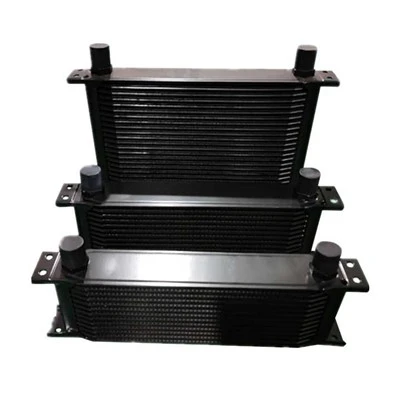
Optimizing the performance of a racing aluminum radiator is crucial for ensuring the efficient operation of high - performance engines. As a leading supplier of racing aluminum radiators, I've had the opportunity to work with a wide range of racing enthusiasts and professionals, and I'd like to share some key strategies to help you get the most out of your radiator.
Understanding the Basics of Racing Aluminum Radiators
Before delving into optimization techniques, it's essential to understand why aluminum is the material of choice for racing radiators. Aluminum is lightweight, which is a significant advantage in racing where every pound counts. It also has excellent thermal conductivity, allowing it to transfer heat away from the engine coolant more effectively than other materials.


The core of a radiator is where the heat exchange occurs. It consists of tubes through which the coolant flows and fins that increase the surface area for heat dissipation. In racing applications, radiators often have a high - density core design to maximize heat transfer in a limited space.
Selecting the Right Radiator
The first step in optimizing radiator performance is choosing the right one for your specific racing application. Consider factors such as the engine's horsepower, the type of racing (e.g., drag racing, road racing), and the ambient temperature conditions you'll be racing in.
For high - horsepower engines, a radiator with a larger core and more tubes may be necessary to handle the increased heat load. If you're racing in hot climates, you might want to opt for a radiator with a higher fin density to enhance heat dissipation.
We offer a variety of high - quality racing aluminum radiators, including the Summit Racing Aluminum Radiator, which is designed to meet the demands of high - performance engines. The Chevy Aluminum Racing Radiator is specifically tailored for Chevy engines, providing excellent cooling performance. And the Koyo Aluminum Racing Radiator is known for its reliability and efficiency.
Maintaining the Radiator
Proper maintenance is essential for optimizing radiator performance. Over time, debris such as dirt, leaves, and bugs can accumulate on the radiator fins, blocking airflow and reducing heat transfer efficiency. Regularly clean the radiator fins using a soft brush or compressed air to remove any debris.
Check the coolant level regularly and top it up as needed. Use a high - quality coolant that is compatible with aluminum radiators. Some coolants contain additives that can prevent corrosion and scale buildup, which can damage the radiator and reduce its performance.
Inspect the radiator hoses for any signs of wear, cracks, or leaks. Replace any damaged hoses immediately to prevent coolant loss, which can lead to overheating.
Improving Airflow
Airflow is a critical factor in radiator performance. A well - designed air intake system can help ensure that the radiator receives an adequate supply of cool air. Consider installing a high - flow air intake or a custom - designed air duct to direct more air towards the radiator.
In addition, the position of the radiator within the engine compartment can affect airflow. Make sure there is enough clearance around the radiator to allow for unrestricted airflow. Avoid placing any large components directly in front of the radiator that could block the air intake.
Some racing vehicles use fans to enhance airflow through the radiator. Electric fans can be a great addition, especially for vehicles that operate at low speeds or in stop - and - go racing conditions. Choose a fan with a high CFM (cubic feet per minute) rating to ensure sufficient airflow.
Upgrading the Cooling System
In some cases, upgrading the entire cooling system may be necessary to optimize radiator performance. This could include installing a larger water pump to increase coolant flow, or adding an auxiliary cooler to further reduce the coolant temperature.
A high - performance water pump can circulate the coolant more efficiently, ensuring that heat is transferred away from the engine more quickly. An auxiliary cooler, such as an oil cooler or a transmission cooler, can help reduce the overall heat load on the radiator, allowing it to operate more effectively.
Monitoring and Tuning
Regularly monitor the engine temperature using a temperature gauge. This will allow you to detect any potential cooling issues early on and take appropriate action. If you notice that the engine is running hotter than normal, it could be a sign of a problem with the radiator or the cooling system.
You can also fine - tune the radiator's performance by adjusting the thermostat. A lower - temperature thermostat can help keep the engine running cooler, especially in high - performance racing applications. However, make sure to choose a thermostat that is compatible with your engine and cooling system.
Conclusion
Optimizing the performance of a racing aluminum radiator is a multi - faceted process that involves selecting the right radiator, proper maintenance, improving airflow, upgrading the cooling system, and monitoring and tuning. By following these strategies, you can ensure that your radiator operates at its peak efficiency, keeping your engine cool and performing at its best on the track.
If you're looking to purchase a high - quality racing aluminum radiator or have any questions about optimizing radiator performance, please don't hesitate to contact us. We're here to help you find the perfect radiator for your racing needs and provide you with the support and expertise you need to keep your engine running cool.
References
- "Automotive Cooling Systems" - A technical guide on automotive cooling system design and operation.
- "Racing Radiator Handbook" - A comprehensive resource for racing radiator selection and maintenance.