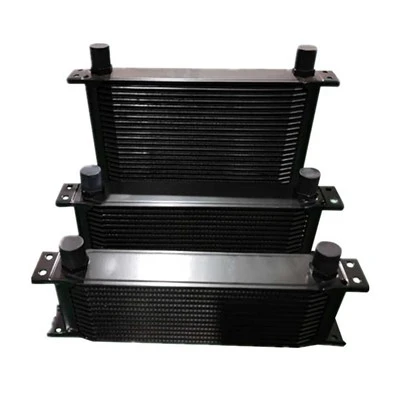
How resistant is an aluminum ac condenser to corrosion in a marine environment?
As a supplier of aluminum AC condensers, I've been asked numerous times about the corrosion resistance of these units in marine environments. It's a valid concern, considering the harsh conditions that marine settings present. In this blog post, I'll delve into the factors that affect the corrosion resistance of aluminum AC condensers in marine environments and provide insights based on scientific research and practical experience.
Understanding the Marine Environment
The marine environment is characterized by high humidity, saltwater exposure, and varying temperatures. Saltwater contains chloride ions, which are highly corrosive to many metals. When these ions come into contact with metal surfaces, they can initiate a chemical reaction that leads to corrosion. The high humidity in marine environments also accelerates the corrosion process by providing a moist environment for the chemical reactions to occur.
Corrosion Resistance of Aluminum
Aluminum is known for its excellent corrosion resistance, which is due to the formation of a thin, protective oxide layer on its surface. This oxide layer acts as a barrier, preventing further oxidation and corrosion of the underlying metal. However, in a marine environment, the protective oxide layer can be compromised by the presence of chloride ions.
When aluminum is exposed to saltwater, the chloride ions can penetrate the oxide layer and react with the aluminum metal beneath. This reaction forms aluminum chloride, which is soluble in water. As the aluminum chloride dissolves, it exposes more of the underlying metal to the corrosive environment, leading to further corrosion.
Factors Affecting Corrosion Resistance
Several factors can affect the corrosion resistance of aluminum AC condensers in a marine environment. These include:
- Alloy Composition: The composition of the aluminum alloy used in the condenser can significantly affect its corrosion resistance. Some aluminum alloys are specifically designed to have enhanced corrosion resistance in harsh environments. For example, alloys containing magnesium and silicon can form a more stable oxide layer, which provides better protection against corrosion.
- Surface Treatment: The surface treatment of the aluminum condenser can also play a crucial role in its corrosion resistance. Coating the condenser with a protective layer, such as a paint or a powder coating, can provide an additional barrier against corrosion. Anodizing, a process that thickens the natural oxide layer on the aluminum surface, can also improve corrosion resistance.
- Design and Installation: The design and installation of the AC condenser can impact its exposure to the corrosive marine environment. Ensuring proper drainage and ventilation can help prevent the accumulation of water and salt on the condenser surface. Additionally, positioning the condenser away from direct salt spray and in a well-ventilated area can reduce its exposure to corrosive elements.
Research and Testing
Numerous studies have been conducted to evaluate the corrosion resistance of aluminum in marine environments. These studies have shown that with the right alloy composition, surface treatment, and design, aluminum AC condensers can exhibit excellent corrosion resistance in marine settings.
For example, a study published in the Journal of Materials Science and Engineering found that anodized aluminum alloys had significantly better corrosion resistance in saltwater compared to untreated alloys. Another study by the National Association of Corrosion Engineers (NACE) demonstrated that aluminum condensers coated with a corrosion-resistant paint system showed minimal signs of corrosion after extended exposure to a marine environment.
Practical Experience
In addition to scientific research, our practical experience as a supplier of aluminum AC condensers has also shown that these units can perform well in marine environments. We have supplied condensers to various marine applications, including boats, offshore platforms, and coastal buildings, and have received positive feedback from our customers regarding the corrosion resistance of our products.
One of our customers, a boat owner, reported that our Aluminum Ac Condenser had been in use for several years in a saltwater environment without any signs of corrosion. The condenser was made from a high-quality aluminum alloy and was coated with a protective paint, which provided excellent protection against the corrosive marine environment.
Benefits of Using Aluminum AC Condensers in Marine Environments
Despite the challenges posed by the marine environment, there are several benefits to using aluminum AC condensers in these settings:
- Lightweight: Aluminum is a lightweight metal, which makes it ideal for marine applications where weight is a concern. Using aluminum condensers can help reduce the overall weight of the AC system, which can improve fuel efficiency and performance.
- High Thermal Conductivity: Aluminum has high thermal conductivity, which means it can transfer heat more efficiently than other metals. This results in better energy efficiency and performance of the AC system.
- Ease of Maintenance: Aluminum AC condensers are relatively easy to maintain. They can be cleaned using mild detergents and water, and any damaged parts can be easily replaced.
Conclusion
In conclusion, the corrosion resistance of aluminum AC condensers in a marine environment depends on several factors, including alloy composition, surface treatment, design, and installation. While aluminum is susceptible to corrosion in the presence of chloride ions, proper selection of materials and surface treatments can significantly enhance its corrosion resistance.


As a supplier of Aluminum Condenser Coil and Aluminum Bar Plate Heat Exchanger, we are committed to providing high-quality products that are designed to withstand the challenges of the marine environment. Our condensers are made from premium aluminum alloys and are treated with advanced surface treatments to ensure maximum corrosion resistance.
If you're considering using an aluminum AC condenser in a marine application, we encourage you to contact us to discuss your specific requirements. Our team of experts can provide you with detailed information about our products and help you select the best solution for your needs. We look forward to the opportunity to work with you and provide you with a reliable and efficient AC condenser for your marine environment.
References
- Fontana, M. G. (1986). Corrosion Engineering (3rd ed.). McGraw-Hill.
- Uhlig, H. H., & Revie, R. W. (1985). Corrosion and Corrosion Control: An Introduction to Corrosion Science and Engineering (3rd ed.). Wiley-Interscience.
- ASTM International. (2019). Standard Test Methods for Conducting Salt Spray (Fog) Tests. ASTM B117-19.