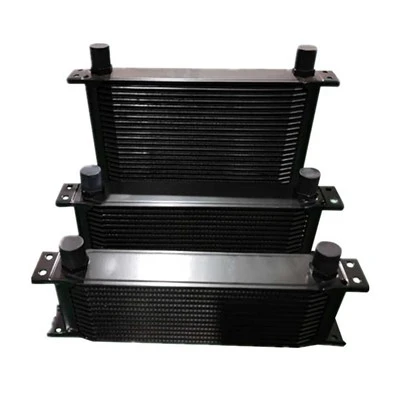
Hey there! As a supplier of 4 core aluminum radiators, I've seen my fair share of dirty and clogged radiators. Cleaning an aluminum radiator 4 core isn't just about making it look nice; it's crucial for its performance and longevity. In this blog, I'll walk you through the step - by - step process of cleaning your 4 core aluminum radiator.
Why Cleaning Your 4 Core Aluminum Radiator is Important
Before we dive into the cleaning process, let's talk about why it's so important. Over time, radiators can accumulate dirt, debris, and even rust. This buildup restricts the flow of coolant, making the radiator less efficient at dissipating heat. A dirty radiator can lead to overheating, which can cause serious damage to your engine. By keeping your radiator clean, you can ensure that it operates at its best, saving you from costly repairs down the road.
What You'll Need
- Safety Gear: Gloves and safety glasses are a must. You'll be dealing with chemicals and potentially sharp edges.
- Radiator Cleaner: There are many commercial radiator cleaners available in the market. Make sure to choose one that's suitable for aluminum radiators.
- Hose: A garden hose with a high - pressure nozzle will be very useful for rinsing.
- Bucket: To mix the radiator cleaner and for collecting the dirty water.
- Soft Brush: A soft - bristled brush can help you get into those hard - to - reach areas.
Step 1: Preparation
First things first, make sure your engine is completely cool. You don't want to burn yourself on a hot radiator. Park your vehicle in a well - ventilated area, preferably outdoors. Put on your safety gloves and glasses.
Drain the coolant from the radiator. Locate the drain valve at the bottom of the radiator and place a bucket underneath it. Open the valve and let the coolant drain out completely. Be careful, as the coolant can be toxic. You can reuse the coolant if it's still in good condition, but it's a good idea to have some fresh coolant on hand for refilling later.
Step 2: Mix the Radiator Cleaner
Follow the instructions on the radiator cleaner bottle to mix the cleaner with water in a bucket. Usually, you'll need to use a specific ratio of cleaner to water. Stir the mixture well until it's fully combined.
Step 3: Apply the Cleaner
Slowly pour the radiator cleaner mixture into the radiator. Make sure not to spill it on the engine or other parts of the vehicle. Once you've added the cleaner, close the radiator cap.
Start the engine and let it run for about 15 - 20 minutes. This will allow the cleaner to circulate through the radiator and break down the dirt and debris. Keep an eye on the temperature gauge to make sure the engine doesn't overheat.
Step 4: Rinse the Radiator
After the cleaner has had time to work, turn off the engine and let it cool down again. Locate the drain valve and open it to drain the dirty cleaner mixture. Once it's drained, use the hose with a high - pressure nozzle to rinse the radiator from the top. Start by gently spraying water into the radiator fins. Work your way around the radiator, making sure to rinse all the fins thoroughly.
You can also use a soft brush to gently scrub the fins if there's stubborn dirt. Be careful not to bend the fins, as this can affect the radiator's performance. Keep rinsing until the water runs clear.
Step 5: Check for Blockages
While you're rinsing, pay attention to any areas where the water isn't flowing freely. These could be signs of blockages. If you find a blockage, you can try using a thin wire or a pipe cleaner to gently clear it.
Step 6: Refill the Coolant
Once the radiator is clean and dry, it's time to refill the coolant. Use a funnel to pour the fresh coolant into the radiator. Fill it up to the recommended level, which is usually marked on the radiator or in your vehicle's owner's manual.
Close the radiator cap tightly and start the engine again. Let it run for a few minutes and check for any leaks. If everything looks good, you're all set!


Tips for Maintaining Your 4 Core Aluminum Radiator
- Regular Inspections: Check your radiator regularly for signs of damage or dirt buildup. Catching problems early can prevent more serious issues.
- Use Quality Coolant: Always use a high - quality coolant that's suitable for aluminum radiators. This will help prevent corrosion and keep the radiator in good condition.
- Keep the Area Around the Radiator Clean: Make sure there's no debris or leaves blocking the airflow to the radiator. This can improve its efficiency.
Our Aluminum Radiator Products
As a 4 core aluminum radiator supplier, we offer a wide range of high - quality radiators. Check out our 360mm Aluminum Radiator – High, 4 Row Aluminum Radiator, and Aluminum 3 Row Radiator. These radiators are designed to provide excellent heat dissipation and durability.
If you're in the market for a new radiator or have any questions about radiator maintenance, don't hesitate to reach out. We're here to help you find the best solution for your needs. Whether you're a professional mechanic or a DIY enthusiast, we can provide you with the right products and advice.
Conclusion
Cleaning your 4 core aluminum radiator is a relatively simple process that can have a big impact on your vehicle's performance. By following these steps and maintaining your radiator regularly, you can ensure that it lasts for a long time. And if you're looking for a new radiator, we've got you covered. Contact us today to discuss your requirements and start a procurement negotiation. We're eager to work with you and provide you with top - notch products and service.
References
- "Automotive Radiator Maintenance Guide", Auto Care Association
- Manufacturer's instructions for radiator cleaners and coolants