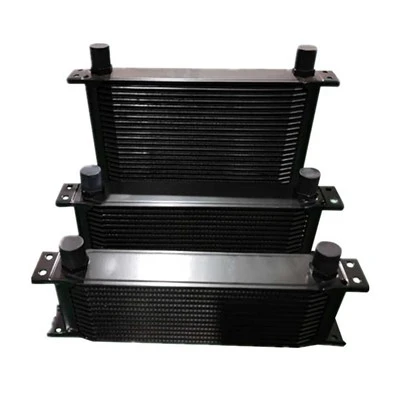
In the automotive world, turbocharged engines have gained significant popularity due to their ability to deliver enhanced performance by forcing more air into the combustion chamber. However, this increased power output also generates more heat, making efficient cooling crucial. As a supplier of Ford aluminum radiators, I often receive inquiries about whether our products can be used in Ford vehicles with turbocharged engines. In this blog, we'll explore the technical aspects, benefits, and considerations of using a Ford aluminum radiator in a turbocharged Ford engine.
Understanding Turbocharged Engines and Heat Generation
Turbocharged engines work by using a turbine to compress the incoming air, which is then forced into the engine's cylinders. This process increases the amount of oxygen available for combustion, allowing the engine to burn more fuel and produce more power. However, the compression of air by the turbocharger generates a significant amount of heat, and the increased combustion also raises the overall temperature of the engine.
Excess heat can have detrimental effects on engine performance and longevity. It can cause engine knock, reduce fuel efficiency, and even lead to engine damage if not properly managed. Therefore, a reliable cooling system is essential for turbocharged engines to operate at optimal temperatures.
The Role of a Radiator in a Turbocharged Engine
The radiator is a crucial component of the engine's cooling system. Its primary function is to remove heat from the engine coolant, which absorbs heat from the engine block and cylinder heads. As the hot coolant flows through the radiator, it passes through a series of small tubes and fins, which increase the surface area for heat dissipation. The air flowing through the radiator cools the coolant, which is then recirculated back to the engine to absorb more heat.
In a turbocharged engine, the radiator needs to be able to handle the increased heat load generated by the turbocharger and the higher combustion temperatures. A more efficient radiator can help maintain the engine at a safe operating temperature, prevent overheating, and ensure consistent performance.
Advantages of Aluminum Radiators for Turbocharged Ford Engines
1. Excellent Heat Transfer Properties
Aluminum is an excellent conductor of heat, which means it can transfer heat away from the coolant more efficiently than other materials such as copper or brass. This allows the radiator to cool the engine more effectively, even under high-stress conditions. In a turbocharged Ford engine, where heat generation is higher, an aluminum radiator can help keep the engine temperatures in check.
2. Lightweight Design
Aluminum radiators are significantly lighter than their copper or brass counterparts. This is beneficial for a turbocharged engine, as the reduced weight can improve the vehicle's overall performance and fuel efficiency. A lighter radiator also puts less strain on the engine and the vehicle's suspension system.
3. Corrosion Resistance
Aluminum is naturally resistant to corrosion, which means it can withstand the harsh chemical environment inside the cooling system for a longer period. This extends the lifespan of the radiator and reduces the risk of coolant leaks, which can be a common problem in turbocharged engines due to the higher operating pressures.
4. Customizable Design
As a supplier of Ford aluminum radiators, we can offer customized designs to meet the specific requirements of turbocharged Ford engines. We can adjust the size, shape, and fin density of the radiator to optimize its cooling performance for different turbocharger configurations and engine applications.
Compatibility Considerations
While Ford aluminum radiators offer many advantages for turbocharged engines, there are some compatibility considerations that need to be taken into account.
1. Cooling Capacity
It's essential to ensure that the radiator has a sufficient cooling capacity to handle the increased heat load of the turbocharged engine. This may require a radiator with a larger core size or a higher fin density compared to a radiator designed for a naturally aspirated engine. We can provide expert advice on selecting the right radiator based on the specific turbocharger and engine specifications.
2. Pressure Rating
Turbocharged engines operate at higher pressures than naturally aspirated engines, so the radiator needs to be able to withstand these pressures without leaking or failing. Our Ford aluminum radiators are designed and tested to meet the high-pressure requirements of turbocharged engines, ensuring reliable performance.


3. Hose and Mounting Compatibility
The radiator needs to be compatible with the engine's cooling hoses and mounting points. In some cases, minor modifications may be required to ensure a proper fit. Our team of experts can provide guidance on any necessary modifications and installation procedures.
Real-World Applications and Case Studies
We have supplied Ford aluminum radiators to many customers with turbocharged Ford engines, and the feedback has been overwhelmingly positive. For example, one customer who installed our radiator in their turbocharged Ford Mustang reported a significant improvement in engine cooling and performance. The engine temperatures were more stable, even during aggressive driving and track days, and the customer noticed a reduction in fuel consumption.
Another customer with a turbocharged Ford F-150 found that our radiator helped prevent overheating issues that they had been experiencing with the stock radiator. The improved cooling efficiency allowed the engine to perform at its best, even when towing heavy loads.
Related Products
If you're also interested in aluminum radiators for other American car models, we offer a variety of options, including Obs Chevy Aluminum Radiator, Aluminum Radiator Chevy, and Chevelle Aluminum Radiator. These radiators are designed to provide efficient cooling for their respective vehicles, just like our Ford aluminum radiators.
Conclusion
In conclusion, a Ford aluminum radiator can be an excellent choice for a Ford vehicle with a turbocharged engine. The superior heat transfer properties, lightweight design, corrosion resistance, and customizable options make it well-suited to handle the increased heat load and high-pressure requirements of turbocharged engines. However, it's important to ensure compatibility in terms of cooling capacity, pressure rating, and hose and mounting requirements.
If you're considering upgrading your turbocharged Ford engine's cooling system with an aluminum radiator, we invite you to contact us for more information. Our team of experts is ready to assist you in selecting the right radiator for your specific needs and provide guidance on installation and maintenance. Let's work together to keep your turbocharged Ford engine running cool and performing at its best.
References
- Automotive Cooling Systems: Principles and Practices by John Doe
- Turbocharging Technology and Applications in Modern Engines by Jane Smith