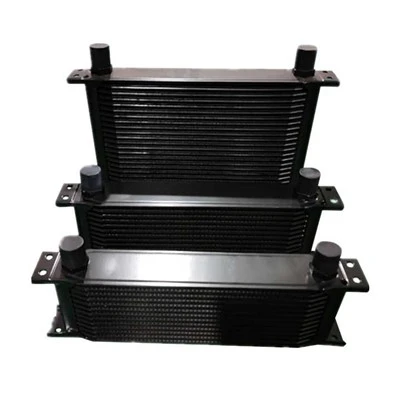
Hey there, fellow Jeep enthusiasts! If you're like me, you know how crucial it is to keep your Jeep's engine running cool, especially when you're out on those tough trails or just cruising around town. That's where a good aluminum radiator comes in. I'm a supplier of Jeep aluminum radiators, and I've seen firsthand the difference a quality radiator can make. In this blog, I'll share some tips on how to choose the right Jeep aluminum radiator for your ride.
Why Aluminum Radiators?
First off, let's talk about why aluminum radiators are a great choice for your Jeep. Aluminum is lightweight, which is a big plus, especially if you're into off - roading. Less weight means better fuel efficiency and improved handling. It's also highly corrosion - resistant, so it'll last longer compared to some other materials. And aluminum has excellent heat transfer properties, which means it can cool your engine more effectively.
Compatibility
The most important thing when choosing a radiator is compatibility. You need to make sure the radiator you pick is designed specifically for your Jeep model. Jeeps come in all sorts of shapes and sizes, from the classic Wrangler to the more modern Grand Cherokee. Each model has different engine specifications and cooling requirements.
Before you start shopping, check your Jeep's owner's manual. It'll have all the details you need about your engine size, coolant capacity, and the correct radiator dimensions. You can also look up your Jeep's VIN (Vehicle Identification Number) online. This number contains a wealth of information about your vehicle, including the exact radiator you need.
Cooling Capacity
Cooling capacity is another key factor. This refers to how much heat the radiator can dissipate. If you have a stock Jeep, the standard cooling capacity might be sufficient. But if you've modified your Jeep, say by adding a more powerful engine or a supercharger, you'll need a radiator with a higher cooling capacity.
Think about how you use your Jeep. If you're mostly driving in the city, a radiator with average cooling capacity might do the trick. But if you're taking your Jeep off - road in hot climates or towing heavy loads, you'll definitely want a radiator that can handle the extra heat. Some radiators come with multiple rows of tubes. Generally, the more rows, the higher the cooling capacity.
Core Thickness
The core thickness of the radiator is also important. A thicker core usually means more surface area for heat transfer. This can improve the radiator's cooling efficiency. However, a thicker core might also be heavier and take up more space. So, you'll need to find a balance that works for your Jeep.
Most standard radiators have a core thickness of around 1.5 to 2 inches. But if you have a high - performance Jeep, you might want to consider a radiator with a thicker core, say 2.5 inches or more.
Construction Quality
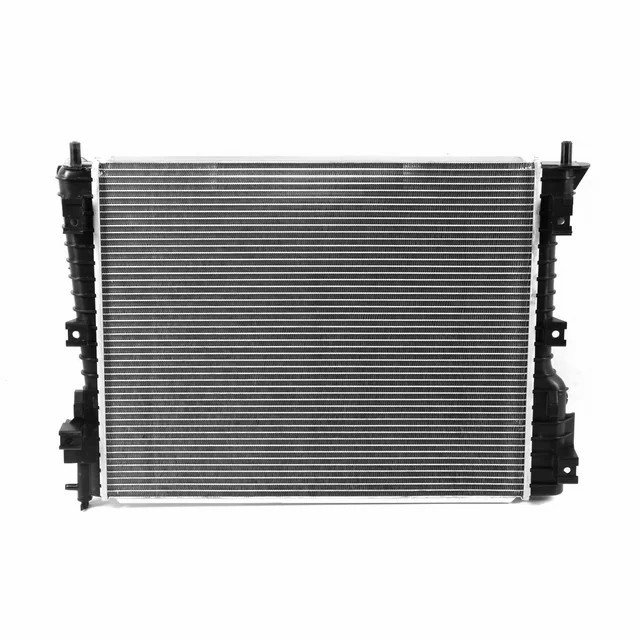
You want a radiator that's well - built. Look for radiators with strong tanks and a sturdy core. The tanks are the parts of the radiator that hold the coolant. They should be made of high - quality aluminum and be welded or brazed securely.
Check for any signs of poor construction, like uneven seams or loose fittings. A well - constructed radiator will be more durable and less likely to leak. Some radiators also come with a warranty, which is a good sign of the manufacturer's confidence in their product.
Fin Design
The fins on the radiator play a big role in heat transfer. They increase the surface area of the radiator, allowing more heat to be dissipated. There are different types of fin designs, such as straight fins, louvered fins, and serpentine fins.
Louvered fins are a popular choice because they create turbulence in the air flowing through the radiator, which improves heat transfer. Serpentine fins are also effective, as they provide a large surface area for heat exchange. When choosing a radiator, look for one with a fin design that suits your cooling needs.
Brand Reputation
It's always a good idea to go with a reputable brand. Well - known brands usually have a history of producing high - quality radiators. You can read online reviews from other Jeep owners to get an idea of which brands are reliable.
Some brands are known for their innovative designs and advanced technology. They might offer features like improved coolant flow or better corrosion resistance. Do your research and choose a brand that has a good track record.
Price
Price is, of course, a consideration. You don't want to overspend, but you also don't want to skimp on quality. Generally, you'll get what you pay for when it comes to radiators. A high - end radiator with all the latest features will be more expensive than a basic model.
But don't just go for the cheapest option. A low - quality radiator might end up costing you more in the long run if it fails or doesn't provide adequate cooling. Look for a radiator that offers a good balance between price and quality.
Other Options
If you're interested in radiators for other American cars, we also have some great options. Check out our Aluminum Radiator Mustang, Ford 460 Aluminum Radiator, and Mustang Aluminum Radiator. These radiators are designed to meet the specific needs of those vehicles, just like our Jeep radiators.
Conclusion
Choosing the right Jeep aluminum radiator is an important decision. By considering factors like compatibility, cooling capacity, core thickness, construction quality, fin design, brand reputation, and price, you can find a radiator that will keep your Jeep's engine running cool for years to come.

If you're still not sure which radiator is right for your Jeep, don't hesitate to reach out. As a supplier, I have a lot of experience and can help you make the best choice. Whether you're a casual driver or a hardcore off - roader, I'm here to assist you in getting the perfect radiator for your Jeep. Let's talk and get your Jeep's cooling system in top shape!
References
- Automotive Cooling Systems Handbook
- Jeep Owner's Manuals