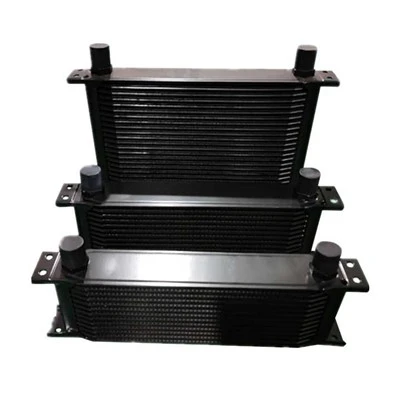
Hey there! As a supplier of Honda aluminum radiators, I often get asked about how to test the performance of these radiators. Well, I'm here to share my insights and experiences on this topic.
Why Testing is Crucial
First off, why is testing the performance of a Honda aluminum radiator so important? A radiator plays a vital role in a car's cooling system. It helps to dissipate the heat generated by the engine, preventing it from overheating. If a radiator doesn't perform well, it can lead to a whole bunch of problems, like engine damage, reduced fuel efficiency, and even breakdowns. So, making sure that our Honda aluminum radiators meet high - performance standards is not just good for the customers; it's also crucial for our reputation as a supplier.
Visual Inspection
The first step in testing a Honda aluminum radiator is a visual inspection. You'd be surprised how much you can learn just by looking at the radiator. Check for any visible damage, such as cracks, dents, or leaks. Cracks can cause coolant to leak out, which will obviously affect the radiator's ability to cool the engine. Dents can block the flow of coolant through the radiator, reducing its efficiency. And leaks are a clear sign that the radiator is not functioning properly.
Pressure Testing
One of the most common ways to test the performance of a radiator is through pressure testing. You'll need a pressure tester for this. First, make sure the engine is cool. Then, remove the radiator cap and attach the pressure tester to the radiator. Pump up the pressure to the recommended level (usually specified in the vehicle's manual). Keep an eye on the pressure gauge. If the pressure drops quickly, it's a sign that there's a leak somewhere in the radiator. You can then use a soapy water solution to find the exact location of the leak. Bubbles will form at the site of the leak, making it easy to spot.
Flow Testing
Another important aspect of radiator performance is the coolant flow. A good radiator should allow coolant to flow through it smoothly. To test the flow, you can use a flow meter. Start by draining the coolant from the radiator. Then, connect the flow meter to the radiator's inlet and outlet. Pump a known amount of water through the radiator at a specific pressure. Measure the time it takes for the water to pass through the radiator. Compare the results with the manufacturer's specifications. If the flow rate is too low, it could mean that there's a blockage in the radiator, which can be caused by debris or corrosion.


Heat Transfer Testing
The main job of a radiator is to transfer heat from the coolant to the surrounding air. To test the heat transfer performance of a Honda aluminum radiator, you'll need a heat source and a temperature sensor. First, fill the radiator with coolant and connect it to a heat source, like a hot water tank. Monitor the temperature of the coolant at the inlet and outlet of the radiator. As the coolant passes through the radiator, it should lose heat. Calculate the temperature difference between the inlet and outlet. A larger temperature difference indicates better heat transfer performance.
Comparison with Other Radiators
It can also be helpful to compare the performance of our Honda aluminum radiators with other radiators on the market. For example, you can check out the Mazda Rx7 Aluminum Radiator and Toyota Aluminum Radiator. By comparing key performance indicators like pressure resistance, flow rate, and heat transfer efficiency, you can get a better idea of how our Honda radiators stack up against the competition.
Testing in Real - World Conditions
While laboratory tests are important, testing the radiator in real - world conditions is also crucial. We often install our Honda aluminum radiators in test vehicles and drive them under different conditions, such as city driving, highway driving, and stop - and - go traffic. During these tests, we monitor the engine temperature, coolant flow, and other relevant parameters. This gives us a more accurate picture of how the radiator will perform in actual use.
Quality Control
As a supplier, we have a strict quality control process in place. Every Honda aluminum radiator that leaves our facility undergoes a series of tests to ensure that it meets our high - performance standards. We also keep detailed records of all the test results, which allows us to track the performance of each radiator and make any necessary improvements.
Conclusion
Testing the performance of a Honda aluminum radiator is a multi - step process that involves visual inspection, pressure testing, flow testing, heat transfer testing, and real - world testing. By conducting these tests, we can ensure that our radiators are reliable, efficient, and capable of keeping the engine cool under all conditions.
If you're in the market for a high - quality Honda Aluminum Radiator, don't hesitate to reach out. We're always happy to discuss your needs and provide you with the best products and services. Whether you're a car enthusiast looking to upgrade your vehicle or a mechanic in need of reliable parts, we've got you covered. Let's start a conversation about how we can meet your radiator needs!
References
- Automotive Cooling System Handbook
- Radiator Testing and Performance Evaluation Guidelines