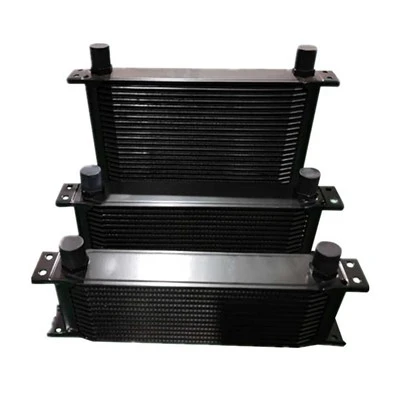
Hey there, racing enthusiasts! As a supplier of aluminum racing radiators, I've seen firsthand how crucial radiator performance is on the track. One factor that often flies under the radar but has a huge impact on radiator performance is the material purity of the aluminum used. In this blog, I'll break down how the purity of aluminum in a racing radiator can affect its performance.
What is Aluminum Purity?
Aluminum purity refers to the percentage of pure aluminum in an aluminum alloy. Pure aluminum is soft and has relatively low strength, so it's often alloyed with other elements like copper, magnesium, silicon, and zinc to enhance its mechanical properties. These alloys are classified by a four - digit number system, where the first digit indicates the major alloying element. For example, 1xxx series aluminum alloys are considered commercially pure, with a minimum of 99% aluminum content.
Heat Transfer Efficiency
One of the most important aspects of a racing radiator's performance is its ability to transfer heat effectively. Pure aluminum has excellent thermal conductivity, which means it can quickly absorb heat from the coolant and dissipate it into the surrounding air. As the purity of aluminum decreases and more alloying elements are added, the thermal conductivity can be negatively affected.


When a radiator is made from high - purity aluminum, it can transfer heat more efficiently. This is especially important in racing applications, where engines generate a tremendous amount of heat. A radiator with better heat transfer efficiency can keep the engine coolant at a lower temperature, which helps to prevent overheating and maintain optimal engine performance. For instance, a radiator made from 1xxx series aluminum (high - purity) can cool the engine more effectively compared to one made from a lower - purity alloy.
If you're in the market for a high - performance radiator, check out our Aluminum Race Radiator which is designed with heat transfer efficiency in mind.
Corrosion Resistance
Racing radiators are exposed to harsh conditions, including high temperatures, vibration, and corrosive substances in the coolant. The purity of the aluminum used in the radiator can play a significant role in its corrosion resistance.
High - purity aluminum forms a thin, protective oxide layer on its surface when exposed to air. This oxide layer acts as a barrier, preventing further corrosion. As more alloying elements are added, the uniformity of this oxide layer can be disrupted, making the radiator more susceptible to corrosion.
In a racing environment, corrosion can lead to leaks and a reduction in the radiator's performance over time. By using high - purity aluminum, we can ensure that our radiators have better long - term durability. Our Ford Racing Aluminum Radiator is crafted with high - quality aluminum to provide excellent corrosion resistance, so you can focus on winning races without worrying about radiator failures.
Strength and Durability
While pure aluminum is relatively soft, alloying it with other elements can increase its strength. However, there's a trade - off between strength and thermal conductivity. In racing radiators, finding the right balance is crucial.
A radiator needs to be strong enough to withstand the vibrations and pressures associated with high - speed racing. At the same time, it should not sacrifice too much in terms of heat transfer performance. By carefully selecting the aluminum alloy based on its purity and the specific alloying elements, we can create radiators that offer both strength and good heat transfer.
For example, some 6xxx series aluminum alloys have a good balance of strength and thermal conductivity. They contain magnesium and silicon as alloying elements, which improve the strength while still maintaining relatively good heat transfer properties. Our Koyo Aluminum Racing Radiator is engineered to meet these high - performance requirements, using an optimized aluminum alloy for the best combination of strength and heat transfer.
Manufacturing Process
The purity of aluminum also affects the manufacturing process of racing radiators. High - purity aluminum is generally easier to work with during processes like brazing and welding. The absence of certain alloying elements reduces the likelihood of forming intermetallic compounds that can weaken the joints.
When brazing or welding a radiator, a strong and reliable joint is essential to prevent leaks. High - purity aluminum allows for better wetting and bonding during these processes, resulting in a more robust radiator construction. This means that radiators made from high - purity aluminum are less likely to have manufacturing defects that could compromise their performance.
Cost Considerations
It's important to note that high - purity aluminum is generally more expensive than lower - purity alloys. As a supplier, we need to balance the cost with the performance requirements of our customers. For some racing teams on a tight budget, a radiator made from a slightly lower - purity alloy might be a more cost - effective option, as long as it still meets the minimum performance standards.
However, for professional racing teams where every bit of performance matters, investing in a radiator made from high - purity aluminum can be well worth it. The improved heat transfer, corrosion resistance, and overall durability can give them a competitive edge on the track.
Conclusion
In conclusion, the material purity of aluminum in a racing radiator has a significant impact on its performance. High - purity aluminum offers better heat transfer efficiency, corrosion resistance, and can be easier to manufacture with. While there are cost considerations, the benefits of using high - purity aluminum often outweigh the additional expense, especially in high - level racing applications.
If you're interested in learning more about our aluminum racing radiators or want to discuss your specific requirements, don't hesitate to reach out. We're here to help you find the perfect radiator for your racing needs and ensure that your engine stays cool under pressure.
References
- ASM Handbook Committee. (2001). ASM Handbook Volume 2: Properties and Selection: Nonferrous Alloys and Special - Purpose Materials. ASM International.
- Davis, J. R. (Ed.). (1993). Aluminum and Aluminum Alloys. ASM International.