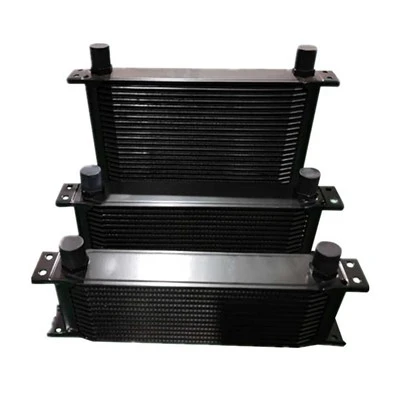
Hey there, racing enthusiasts! As a supplier of racing aluminum radiators, I've seen firsthand how crucial these components are for high - performance vehicles. Today, I'm gonna break down how the design of a racing aluminum radiator affects its performance.
Core Design
The core is like the heart of a radiator. It's where the magic of heat transfer happens. The most common types of cores are the tube - and - fin design. In a racing aluminum radiator, the tubes are where the coolant flows. The more tubes a radiator has, the greater the surface area for heat transfer. For example, a radiator with a larger number of smaller - diameter tubes can provide more contact between the coolant and the tube walls, allowing for better heat dissipation.
Fin design also plays a huge role. The fins are attached to the tubes and increase the surface area even further. There are different fin shapes and densities. Louvered fins, for instance, are very popular in racing radiators. These fins have small slits or louvers that disrupt the airflow, creating turbulence. This turbulence helps to improve heat transfer by bringing more fresh air into contact with the fin surface. A radiator with a high - density fin design can transfer more heat, but it might also restrict airflow. So, it's a balance. You don't want to choke the radiator with too many fins, as that can actually reduce its overall performance.
Tank Design
The tanks of a racing aluminum radiator house the coolant before and after it passes through the core. The size and shape of the tanks matter a lot. Larger tanks can hold more coolant, which means the radiator has a greater heat - absorbing capacity. This is especially important in long - distance races or high - stress racing conditions where the engine generates a ton of heat.
The shape of the tanks can also affect the flow of coolant. A well - designed tank will ensure a smooth and even flow of coolant through the core. Some racing radiators have baffles inside the tanks. These baffles help to direct the coolant flow, preventing any dead spots where the coolant might stagnate. If coolant stagnates, it can't transfer heat effectively, and that can lead to overheating.
Inlet and Outlet Design
The location and size of the inlet and outlet ports on a racing aluminum radiator are critical. The inlet is where the hot coolant from the engine enters the radiator, and the outlet is where the cooled coolant returns to the engine. If the inlet and outlet are too small, they can restrict the flow of coolant. This restriction can cause the coolant to build up pressure, which is not good for the radiator or the engine.
The location of the ports also matters. A well - placed inlet and outlet can ensure that the coolant is evenly distributed throughout the core. For example, having the inlet at the top and the outlet at the bottom can take advantage of gravity to assist the flow of coolant. Some racing radiators have multiple inlets and outlets to allow for more flexibility in plumbing the cooling system. This can be useful in custom - built racing vehicles where the engine layout might be unique.
Material and Construction
Aluminum is the go - to material for racing radiators because of its excellent heat - transfer properties and lightweight. But not all aluminum is created equal. The thickness of the aluminum used in the radiator can affect its performance. Thicker aluminum can be more durable, but it might also increase the weight of the radiator. On the other hand, thinner aluminum can reduce weight, but it might not be as strong.
The way the radiator is constructed also matters. Welded joints are common in racing aluminum radiators. High - quality welds ensure that there are no leaks and that the radiator can withstand the high pressures and vibrations of racing. Some radiators use brazed joints instead, which can provide an even stronger bond.
Cooling Fan Design (if applicable)
Many racing aluminum radiators come with cooling fans to assist with heat dissipation. The size, shape, and speed of the fan can all affect the radiator's performance. A larger fan can move more air, but it might also draw more power from the vehicle's electrical system. The shape of the fan blades matters too. Aerodynamically designed blades can move air more efficiently, creating more airflow with less power consumption.
The speed of the fan is also adjustable in some cases. In high - heat situations, you can increase the fan speed to boost cooling. But running the fan at full speed all the time can drain the battery and put extra strain on the electrical system. So, it's important to find the right balance.


Real - World Examples
Let's take a look at some popular racing aluminum radiators on the market. The Griffin Aluminum Racing Radiator is known for its high - quality construction and excellent heat - transfer capabilities. It has a well - designed core with a combination of tube and fin technology that maximizes heat dissipation. The tanks are also designed to ensure a smooth coolant flow.
The Aluminum Racing Radiator is another great option. It offers a variety of sizes and configurations to suit different racing needs. Its inlet and outlet ports are strategically placed to optimize coolant flow, and the fin design is engineered for maximum heat transfer.
The Koyo Aluminum Racing Radiator is also a top - performer. It features a unique tank design with internal baffles that improve coolant distribution. The fan design on some Koyo radiators is also very efficient, helping to keep the engine cool even under extreme racing conditions.
Conclusion
In conclusion, the design of a racing aluminum radiator has a huge impact on its performance. From the core and tank design to the inlet and outlet ports, every aspect needs to be carefully considered. A well - designed radiator can keep your engine cool, prevent overheating, and give you a competitive edge on the track.
If you're in the market for a high - performance racing aluminum radiator, don't hesitate to reach out. We've got a wide range of options to suit your specific racing needs. Whether you're a professional racer or a weekend warrior, we can help you find the perfect radiator for your vehicle. Let's talk about your requirements and see how we can improve your racing performance with the right radiator.
References
- Automotive Cooling System Handbook
- Racing Engineering Magazine articles on radiator design
- Manufacturer specifications for Griffin, Aluminum, and Koyo racing radiators