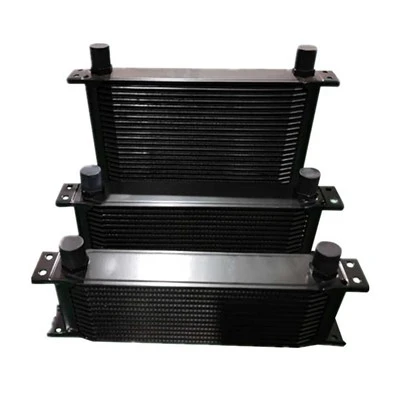
When it comes to the selection of materials for oil coolers, corrosion resistance is a crucial factor that directly impacts the performance and longevity of the equipment. As a supplier of high - quality aluminum oil coolers, I have in - depth knowledge of how aluminum's corrosion resistance compares to other commonly used materials.
Corrosion Resistance of Aluminum Oil Coolers
Aluminum is a popular choice for oil coolers due to its inherent corrosion - resistant properties. When exposed to oxygen in the air, aluminum forms a thin, protective oxide layer on its surface. This oxide layer, composed mainly of aluminum oxide (Al₂O₃), acts as a barrier that prevents further oxidation and corrosion of the underlying metal. The self - healing nature of this oxide layer is remarkable. Even if the surface is scratched or damaged, the aluminum will quickly react with oxygen in the air to reform the protective layer, maintaining its corrosion resistance.
In addition, aluminum can be further enhanced in terms of corrosion resistance through various surface treatment methods. Anodizing, for example, is a widely used process. During anodizing, an electrochemical reaction is used to thicken the natural oxide layer on the aluminum surface. The anodized layer can be several micrometers thick, providing enhanced protection against corrosion, abrasion, and wear. This makes anodized aluminum oil coolers suitable for use in harsh environments, such as marine applications where they are exposed to saltwater.
Comparison with Other Materials
Steel
Steel is another common material used in oil coolers. While steel is strong and durable, its corrosion resistance is relatively poor compared to aluminum. Steel is prone to rusting when exposed to moisture and oxygen. Rust is a form of iron oxide that forms on the surface of steel, and once it starts, it can spread rapidly, leading to structural damage and reduced performance of the oil cooler.
To improve the corrosion resistance of steel oil coolers, they are often coated with paint, zinc, or other protective coatings. However, these coatings can wear off over time, leaving the steel vulnerable to corrosion. In contrast, the self - healing oxide layer of aluminum provides continuous protection without the need for frequent re - coating.
Copper
Copper is known for its excellent thermal conductivity, which is beneficial for oil coolers. However, in terms of corrosion resistance, copper has its limitations. Copper can react with certain chemicals and substances in the environment, such as sulfur compounds, to form corrosion products. For example, in industrial environments with high sulfur content, copper oil coolers may develop a greenish - blue patina, which is a sign of corrosion.
Moreover, copper can also be subject to galvanic corrosion when in contact with other metals. If a copper oil cooler is connected to a different metal component in the cooling system, and there is an electrolyte present (such as water), a galvanic cell can be formed, leading to accelerated corrosion of the copper. Aluminum, on the other hand, has better compatibility with other metals in the cooling system and is less likely to cause galvanic corrosion issues.
Applications Benefiting from Aluminum's Corrosion Resistance
Automotive Industry
In the automotive sector, oil coolers play a vital role in maintaining the optimal operating temperature of engines and transmissions. Aluminum oil coolers are widely used because of their corrosion resistance. They can withstand the harsh conditions under the hood, where they are exposed to high temperatures, oil, and various chemicals. For example, in high - performance cars and race cars, the Universal AN6 Aluminum America Type 19 Row Oil Cooler For Race Car is a popular choice. The corrosion - resistant aluminum ensures that the oil cooler can perform reliably in extreme racing conditions.
Marine Industry
The marine environment is extremely corrosive due to the presence of saltwater. Aluminum oil coolers are well - suited for marine applications. The self - healing oxide layer and the option of anodizing provide excellent protection against saltwater corrosion. Our Aluminum Plate Fin Air Oil Cooler is a great example. It can be used in boats and ships to cool the engine oil, transmission oil, or hydraulic oil, ensuring the smooth operation of the marine equipment.
Industrial Machinery
In industrial settings, oil coolers are used in a variety of machinery, such as hydraulic systems, compressors, and generators. These machines often operate in environments where they are exposed to dust, moisture, and chemicals. Aluminum oil coolers can resist corrosion in such conditions, reducing maintenance costs and extending the service life of the equipment. The Universal Engine Transmission Cooling System 7 10 13 16 19 25 Rows Aluminum AN10 Oil Cooler is a versatile option that can be used in different industrial applications.


Cost - effectiveness and Sustainability
In addition to its corrosion resistance, aluminum is also cost - effective. Aluminum is relatively abundant, and the manufacturing process of aluminum oil coolers is well - established, which helps to keep the production costs down. This makes aluminum oil coolers an affordable option for various applications.
From a sustainability perspective, aluminum is a highly recyclable material. Recycling aluminum requires only a fraction of the energy needed to produce new aluminum from bauxite ore. This means that at the end of their service life, aluminum oil coolers can be recycled, reducing waste and environmental impact.
Why Choose Our Aluminum Oil Coolers
As a supplier of aluminum oil coolers, we are committed to providing products with superior corrosion resistance. Our manufacturing process ensures that each oil cooler is made with high - quality aluminum and undergoes strict quality control. We offer a wide range of oil coolers, including different sizes and configurations, to meet the diverse needs of our customers.
Whether you are in the automotive, marine, or industrial sector, our aluminum oil coolers can provide reliable performance and long - term corrosion protection. If you are interested in our products and would like to discuss your specific requirements, we invite you to contact us for procurement and negotiation. We look forward to partnering with you to provide the best cooling solutions for your applications.
References
- ASM Handbook Volume 13A: Corrosion: Fundamentals, Testing, and Protection. ASM International.
- Aluminum Association. "Aluminum Corrosion Resistance."
- Metals Handbook Desk Edition, 3rd Edition. ASM International.