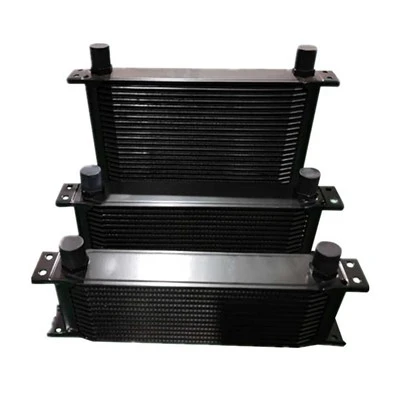
As a supplier of aluminum racing radiators, I often encounter various questions from customers, and one that comes up quite frequently is, "Can I paint an aluminum racing radiator?" This question is not only relevant to the aesthetics of the radiator but also has implications for its performance and durability. In this blog post, I'll delve into the topic, exploring the pros and cons, the best practices, and the potential impact on your racing radiator.
Understanding Aluminum Racing Radiators
Before we dive into the painting aspect, let's briefly understand what an aluminum racing radiator is. Aluminum racing radiators are designed to provide efficient cooling for high - performance engines. They are lightweight, have excellent heat transfer properties, and are built to withstand the rigors of racing. At our supply, we offer a range of high - quality radiators, including the Double Pass Aluminum Radiator, Afco Aluminum Racing Radiator, and Ford Racing Aluminum Radiator. These radiators are crafted with precision to ensure optimal performance on the track.
The Pros of Painting an Aluminum Racing Radiator
Aesthetics
One of the most obvious reasons to paint an aluminum racing radiator is for aesthetic purposes. A painted radiator can enhance the overall look of your engine bay, making it stand out. You can choose a color that matches your car's paint job or team colors, giving your vehicle a more customized and professional appearance. For example, if you have a classic red racing car, painting the radiator red can create a cohesive and visually appealing look.

Corrosion Protection
Aluminum, although resistant to corrosion, can still be susceptible to environmental factors over time. A good quality paint can act as an additional layer of protection, preventing oxidation and rust from forming on the radiator's surface. This can extend the lifespan of the radiator, especially if your vehicle is exposed to harsh conditions such as saltwater or extreme humidity.
The Cons of Painting an Aluminum Racing Radiator
Heat Transfer Efficiency
Aluminum is an excellent conductor of heat, which is why it is widely used in racing radiators. When you paint the radiator, the paint acts as an insulator, reducing the radiator's ability to transfer heat effectively. This can lead to higher engine temperatures, potentially causing overheating issues, especially during intense racing conditions. Even a thin layer of paint can have a noticeable impact on the radiator's cooling performance.
Adhesion and Durability
Painting aluminum can be challenging because of its smooth surface. If the paint does not adhere properly, it can chip, peel, or flake off over time. This not only looks bad but can also expose the underlying aluminum to corrosion. Additionally, the vibrations and high - temperature fluctuations experienced during racing can further compromise the paint's adhesion.
Best Practices for Painting an Aluminum Racing Radiator
If you've decided that the aesthetic benefits outweigh the potential performance drawbacks and you want to paint your aluminum racing radiator, here are some best practices to follow:
Surface Preparation
Proper surface preparation is crucial for a successful paint job. Start by thoroughly cleaning the radiator to remove any dirt, grease, or debris. You can use a mild detergent and water, followed by a rinse and a dry with a clean cloth. Next, sand the surface of the radiator lightly to create a rough texture that will help the paint adhere better. Use a fine - grit sandpaper (around 220 - 320 grit) and sand in a circular motion. After sanding, wipe the radiator down with a tack cloth to remove any dust.
Primer
Applying a primer is essential to ensure good adhesion between the aluminum and the paint. Choose a primer specifically designed for aluminum surfaces. Follow the manufacturer's instructions for application, including the recommended drying time. A good primer will also provide an additional layer of corrosion protection.
Paint Selection
Select a high - quality, heat - resistant paint that is suitable for automotive applications. Enamel paints are a popular choice because they are durable and offer good coverage. Make sure the paint can withstand the high temperatures generated by the radiator. Apply the paint in thin, even coats, allowing each coat to dry completely before applying the next one.
Testing
Before reinstalling the painted radiator in your vehicle, it's a good idea to test it to ensure that the paint job has not significantly affected its cooling performance. You can do this by running the engine in a controlled environment and monitoring the temperature. If you notice any signs of overheating, you may need to remove the paint or make adjustments to the cooling system.
Impact on Warranty
It's important to note that painting your aluminum racing radiator may void the warranty. Most radiator manufacturers have specific guidelines regarding modifications to their products, and painting is often considered a modification. Before you paint your radiator, check the warranty terms and conditions or contact the manufacturer to get their approval.

Conclusion
In conclusion, while it is possible to paint an aluminum racing radiator, it comes with both advantages and disadvantages. If you prioritize aesthetics and are willing to accept the potential impact on cooling performance, then painting your radiator can be a viable option. However, if performance is your top priority, it may be best to leave the radiator in its natural aluminum state.
At our company, we are always here to assist you with your aluminum racing radiator needs. Whether you're looking for a new radiator or need advice on maintenance and customization, our team of experts is ready to help. If you're interested in purchasing one of our high - quality radiators, such as the Double Pass Aluminum Radiator, Afco Aluminum Racing Radiator, or Ford Racing Aluminum Radiator, please feel free to contact us for further details and to start a procurement discussion.
References
- Smith, J. (2018). Automotive Cooling Systems. Motorbooks.
- Jones, R. (2020). Aluminum Alloys and Their Applications in Racing. SAE International.