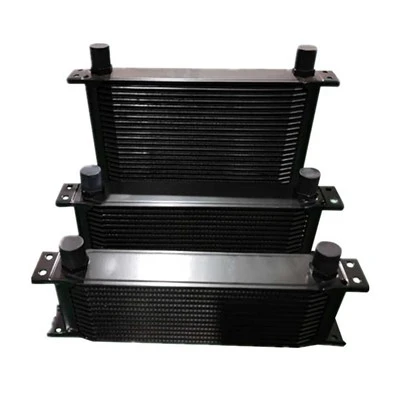
What is the Thermal Conductivity of an Aluminum Race Radiator?
As a supplier of aluminum race radiators, I've been asked countless times about the thermal conductivity of these crucial automotive components. Thermal conductivity is a fundamental property that determines how effectively a radiator can transfer heat away from the engine, ensuring optimal performance on the race track. In this blog post, I'll delve into the concept of thermal conductivity, explain why aluminum is an ideal material for race radiators, and discuss how it impacts the overall performance of your racing vehicle.
Understanding Thermal Conductivity
Thermal conductivity is a measure of a material's ability to conduct heat. It is defined as the quantity of heat that passes through a unit area of a material in a unit time, under a unit temperature gradient. In simpler terms, it tells us how quickly heat can move through a material. The higher the thermal conductivity, the more efficiently the material can transfer heat.
The unit of thermal conductivity is watts per meter-kelvin (W/m·K). For example, copper, a metal known for its excellent heat conduction properties, has a thermal conductivity of about 401 W/m·K at room temperature. This means that copper can transfer a large amount of heat quickly.

Why Aluminum for Race Radiators?
Aluminum is the material of choice for most race radiators, and its thermal conductivity is a major reason for this preference. Aluminum has a thermal conductivity of approximately 205 W/m·K at room temperature. While this is lower than that of copper, aluminum offers several other advantages that make it more suitable for racing applications.
- Lightweight: One of the most significant benefits of aluminum is its low density. Compared to copper, aluminum is much lighter, which is crucial in racing where every pound matters. A lighter radiator reduces the overall weight of the vehicle, improving acceleration, handling, and fuel efficiency.
- Corrosion Resistance: Aluminum forms a thin oxide layer on its surface when exposed to air, which protects it from corrosion. This is especially important in racing environments where radiators are exposed to various contaminants and harsh conditions.
- Cost-Effective: Aluminum is more abundant and less expensive than copper, making it a cost-effective choice for radiator manufacturers. This allows for more affordable radiators without sacrificing performance.
Impact of Thermal Conductivity on Race Radiator Performance
The thermal conductivity of an aluminum race radiator directly affects its ability to cool the engine. A radiator with high thermal conductivity can transfer heat from the engine coolant to the surrounding air more efficiently, keeping the engine at an optimal operating temperature.
In a racing scenario, engines generate a large amount of heat due to high RPMs and intense power output. If the radiator cannot dissipate this heat quickly enough, the engine can overheat, leading to reduced performance, engine damage, and even race-ending failures.
An aluminum race radiator with good thermal conductivity ensures that the engine stays cool under extreme conditions. It allows for a higher flow rate of coolant through the radiator, which in turn increases the heat transfer rate. This results in better engine performance, longer engine life, and a more reliable racing experience.
Factors Affecting the Thermal Conductivity of Aluminum Race Radiators
While aluminum itself has a relatively high thermal conductivity, the actual performance of an aluminum race radiator can be influenced by several factors.
- Design and Construction: The design of the radiator, including the number of tubes, fins, and their arrangement, plays a crucial role in heat transfer. A well-designed radiator with a larger surface area for heat exchange can enhance the overall thermal performance.
- Coolant Flow: The flow rate and distribution of coolant within the radiator are important factors. A uniform and efficient coolant flow ensures that all parts of the radiator are utilized effectively for heat transfer.
- Fin Efficiency: The fins on the radiator increase the surface area available for heat transfer. The efficiency of these fins, determined by their shape, material, and spacing, can significantly impact the thermal conductivity of the radiator.
Our Aluminum Race Radiators
At our company, we specialize in manufacturing high-quality aluminum race radiators. Our radiators are designed to maximize thermal conductivity and provide superior cooling performance. We use advanced manufacturing techniques and high-grade aluminum materials to ensure the best possible heat transfer efficiency.
Our Aluminum Radiator Summit Racing is a popular choice among racing enthusiasts. It features a compact design, lightweight construction, and excellent thermal conductivity. The radiator is equipped with high-density fins and multi-row tubes to enhance heat transfer and provide reliable cooling even under extreme racing conditions.
Another product in our lineup is the Chevy Aluminum Racing Radiator. This radiator is specifically designed for Chevy vehicles and offers a perfect fit and optimal performance. It is built with high-quality aluminum and features a unique fin design that maximizes heat dissipation.

Our Summit Racing Aluminum Radiator is also a top-of-the-line product. It is engineered to meet the demanding requirements of professional racing. The radiator has a large core size and high-flow tubes, ensuring efficient coolant circulation and excellent heat transfer.
Conclusion
The thermal conductivity of an aluminum race radiator is a critical factor in its performance. Aluminum's high thermal conductivity, combined with its lightweight, corrosion resistance, and cost-effectiveness, makes it the ideal material for racing applications. By understanding the concept of thermal conductivity and the factors that affect it, you can make an informed decision when choosing a race radiator for your vehicle.
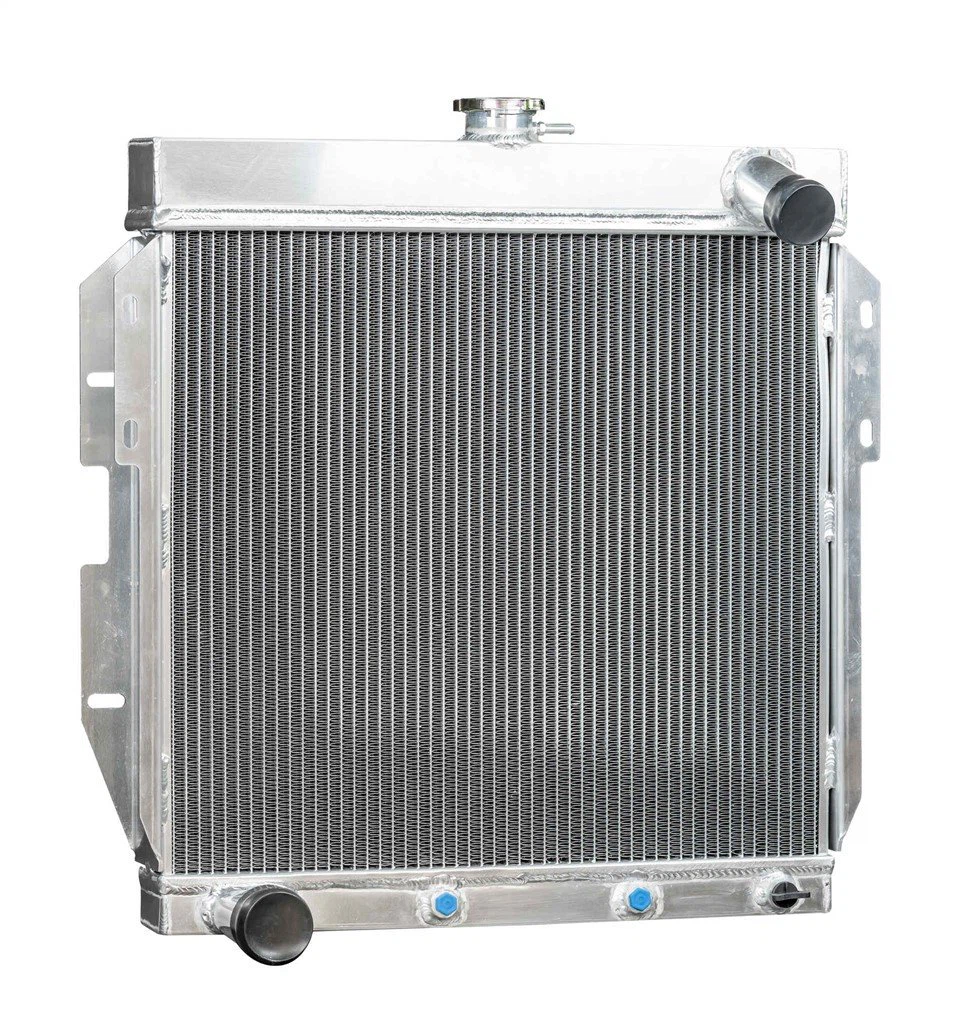
If you're looking for a high-performance aluminum race radiator, we invite you to explore our product range. Our radiators are designed and manufactured to meet the highest standards of quality and performance. Contact us today to discuss your specific requirements and start the procurement process. We're here to help you keep your engine cool and your race car running at its best.

References
- Incropera, F. P., & DeWitt, D. P. (2002). Fundamentals of Heat and Mass Transfer. Wiley.
- Holman, J. P. (2002). Heat Transfer. McGraw-Hill.