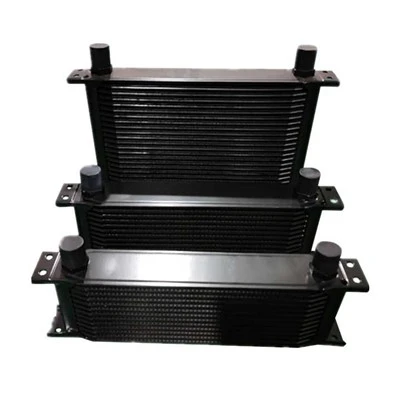
Are racing aluminum radiators more expensive than copper radiators? Well, that's a question I get asked a lot as a supplier of racing aluminum radiators. Let's dive into this topic and break it down.
First off, let's talk about what makes these radiators different. Copper radiators have been around for ages. They're known for their excellent heat - conducting properties. Copper is a great metal when it comes to transferring heat quickly. It's dense and has a high thermal conductivity, which means it can absorb a lot of heat from the engine coolant and dissipate it into the surrounding air.
On the other hand, aluminum radiators are a more modern choice. They've gained popularity in the racing world for several reasons. Aluminum is lightweight, which is a huge advantage in racing. Every extra pound in a race car can slow it down, so reducing weight wherever possible is crucial. Aluminum also has good heat - dissipating capabilities. It might not have the same thermal conductivity as copper, but modern manufacturing techniques have made aluminum radiators very efficient at cooling.
Now, to the big question: are racing aluminum radiators more expensive? The answer isn't as straightforward as you might think. There are a few factors that come into play when it comes to the cost of these radiators.
The cost of raw materials is one of the main factors. Copper is generally more expensive than aluminum. Copper is a relatively scarce metal, and its price can fluctuate based on market demand and supply. Aluminum, on the other hand, is more abundant, and its production cost is usually lower. So, in terms of raw materials, you'd think copper radiators would be more expensive.
But manufacturing costs can tip the scales. Aluminum radiators are often easier and cheaper to manufacture. The process of shaping and assembling aluminum parts is generally more streamlined than working with copper. Aluminum can be extruded and formed into complex shapes more easily, which means less labor and fewer manufacturing steps. Copper, being a more brittle metal, requires more precise handling and may involve more complex manufacturing processes. This can drive up the cost of copper radiators.
Another factor is the market demand. In the racing industry, the demand for lightweight components is extremely high. Aluminum radiators meet this demand, and as a result, there's a large market for them. The high demand can sometimes lead to economies of scale, where manufacturers can produce aluminum radiators in large quantities at a lower cost per unit. Copper radiators, with their heavier weight, may not be as popular in the racing market, which can limit their production volume and keep the cost relatively high.
Let's look at some specific examples. If you're in the market for a high - performance racing radiator, you might consider an Aluminum Race Radiator. These radiators are designed specifically for racing applications, with features like high - flow cores and lightweight construction. They're built to withstand the extreme conditions of a race track and provide optimal cooling performance.
The Summit Racing Aluminum Radiator is another great option. It's a popular choice among racers because of its reliability and efficiency. Summit Racing is known for producing high - quality racing parts, and their aluminum radiators are no exception.


If you're driving a Chevy race car, the Chevy Aluminum Racing Radiator is a perfect fit. It's custom - designed to work with Chevy engines, ensuring a perfect fit and maximum cooling performance. These radiators are engineered to handle the high - performance demands of a Chevy race car.
In some cases, racing aluminum radiators can be more expensive than copper radiators. For example, if you're looking for a very basic, no - frills copper radiator, it might be cheaper than a high - end, custom - made aluminum racing radiator. However, when you compare similar - quality radiators designed for racing applications, aluminum radiators are often more cost - effective in the long run. They offer better performance, lower weight, and in many cases, a more reasonable price tag.
The lower weight of aluminum radiators can also save you money in other ways. A lighter race car requires less fuel to accelerate and maintain speed, which can lead to significant savings over the course of a racing season. Additionally, the reduced weight can put less stress on other components of the car, such as the suspension and brakes, potentially reducing maintenance costs.
If you're a racer or a car enthusiast looking for the best cooling solution for your vehicle, I'd highly recommend considering a racing aluminum radiator. They offer a great combination of performance, weight savings, and cost - effectiveness. Whether you're a professional racer or just someone who likes to take their car out on the track occasionally, an aluminum radiator can make a big difference in your car's performance.
If you're interested in purchasing a racing aluminum radiator, I'm here to help. I can provide you with detailed information about our products, answer any questions you might have, and guide you through the purchasing process. Don't hesitate to reach out if you want to discuss your specific needs and find the perfect radiator for your race car.
References
- Automotive Cooling System Manuals
- Industry Reports on Metal Costs and Manufacturing
- Racing Car Performance Magazines