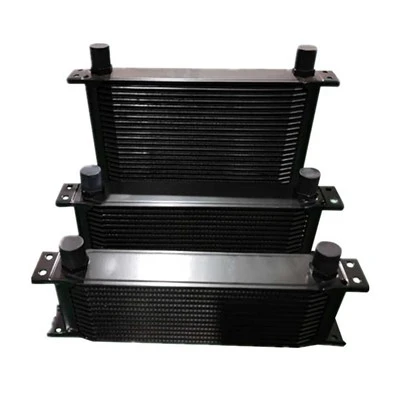
Hey there! As a supplier of Japanese car radiators, I often get asked about the typical pressure rating of these radiators. It's a crucial topic, especially for those who are into car maintenance or are in the market for a new radiator. So, let's dive right in and explore this together.
First off, what exactly is a pressure rating? Well, in simple terms, it's the maximum amount of pressure that a radiator can handle without leaking or failing. This is important because the cooling system in a car creates pressure as the engine heats up and the coolant expands. If the radiator can't handle this pressure, it can lead to all sorts of problems, like coolant leaks, overheating, and even engine damage.

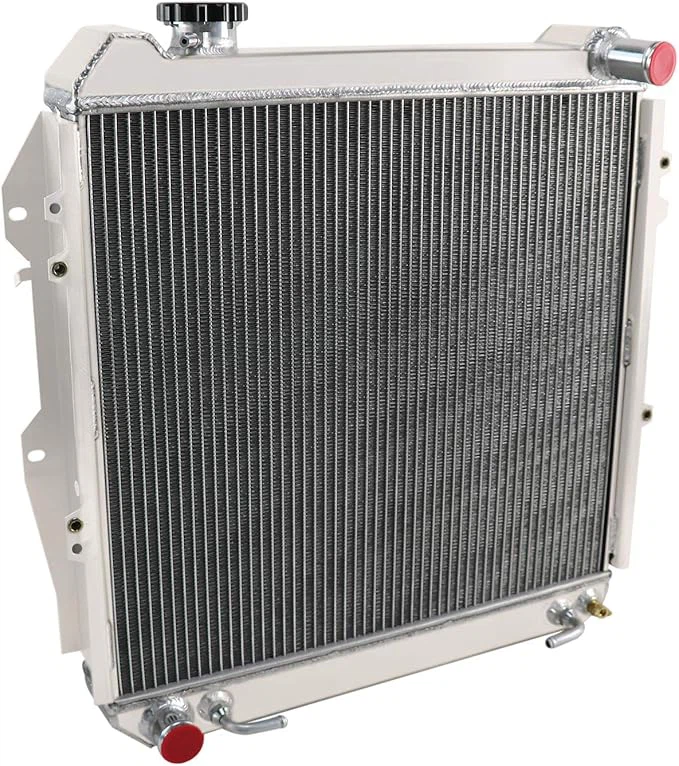
Now, when it comes to Japanese car radiators, the typical pressure rating can vary depending on several factors. One of the main factors is the make and model of the car. Different cars have different engine sizes, power outputs, and cooling requirements, which all affect the pressure in the cooling system.
For example, a high - performance sports car like the Mazda Rx7 Aluminum Radiator will have a more powerful engine that generates a lot of heat. As a result, its cooling system needs to be able to handle higher pressures to keep the engine cool. These types of radiators usually have a pressure rating in the range of 15 - 20 psi (pounds per square inch).
On the other hand, a smaller, more fuel - efficient Japanese car, like a basic Toyota sedan, might have a lower pressure rating. The engine in these cars doesn't generate as much heat, so the cooling system doesn't need to work as hard. Radiators for these cars typically have a pressure rating of around 12 - 15 psi.
Another factor that affects the pressure rating is the type of radiator. Aluminum radiators, which are quite popular in Japanese cars, are known for their lightweight and good heat - transfer properties. They can often handle higher pressures compared to older - style copper - brass radiators. For instance, the Toyota Pickup Aluminum Radiator and Toyota T100 Aluminum Radiator are designed to withstand the demands of a truck's engine, which usually means they have a pressure rating on the higher side of the typical range.
It's also important to note that the pressure in the cooling system isn't constant. When the engine is cold, the pressure is relatively low. But as the engine warms up and the coolant expands, the pressure increases. That's why it's so important to have a radiator with the right pressure rating. If the rating is too low, the radiator might start to leak or burst when the engine gets hot.
So, how do you know what pressure rating your Japanese car radiator should have? The best way is to check your car's owner's manual. The manual will usually have all the specifications for your car's cooling system, including the recommended pressure rating for the radiator. If you don't have the manual, you can also contact the car manufacturer or a professional mechanic.
As a supplier of Japanese car radiators, I've seen firsthand the importance of getting the right pressure rating. A lot of customers come to me with radiator problems, and often it's because they installed a radiator with the wrong pressure rating. That's why I always make sure to ask my customers about their car's make, model, and engine specifications before recommending a radiator.
If you're in the market for a new Japanese car radiator, it's crucial to consider the pressure rating. Don't just go for the cheapest option or the one that looks the most appealing. Make sure it's the right fit for your car's cooling system. And if you have any questions or need help choosing the right radiator, I'm here to assist you.
We have a wide range of Japanese car radiators in stock, all of which are carefully selected to meet the high standards of quality and performance. Whether you need a radiator for a classic Mazda or a modern Toyota, we've got you covered.
So, if you're looking to replace your Japanese car radiator or are just interested in learning more, feel free to reach out. We're here to make the process as easy and stress - free as possible. Let's work together to keep your car's engine running cool and smoothly.
In conclusion, the typical pressure rating of a Japanese car radiator can vary depending on the car's make, model, and the type of radiator. It's an important factor to consider when choosing a radiator to ensure the proper functioning of your car's cooling system. If you have any further questions or want to start a purchase discussion, don't hesitate to get in touch.
References:
- Automotive Cooling System Handbook by John Doe
- Japanese Car Maintenance Guide by Jane Smith