What is the Price of a BMW Aluminum Radiator?
As a dedicated supplier of BMW aluminum radiators, I've encountered numerous inquiries regarding the pricing of these essential automotive components. Understanding the factors that influence the cost of a BMW aluminum radiator is crucial for both consumers and industry professionals. In this blog post, I'll delve into the various elements that contribute to the price of a BMW aluminum radiator and provide insights to help you make an informed purchasing decision.
Factors Affecting the Price of a BMW Aluminum Radiator
-
Quality and Brand
The quality and brand of the radiator play a significant role in determining its price. Well - established brands with a reputation for reliability and performance often command a higher price. These brands invest in research and development, use high - quality materials, and adhere to strict manufacturing standards. For example, radiators from well - known automotive parts manufacturers are likely to be more expensive than generic or unbranded alternatives. A high - quality radiator will offer better durability, heat dissipation efficiency, and corrosion resistance, which can save you money in the long run by reducing the need for frequent replacements. -
Core Design and Configuration
The core design of a radiator is another important factor. Radiators come in different core configurations, such as single - core, two - core, three - core, and four - core designs. The more cores a radiator has, the greater its heat - transfer capacity. A Champion 3 Core Aluminum Radiator or a Champion 4 Core Aluminum Radiator will generally be more expensive than a single - core radiator because they are designed to handle higher heat loads, making them suitable for high - performance BMW models or those used in demanding driving conditions. -
Material Quality
Aluminum is the primary material used in modern BMW radiators due to its excellent heat - transfer properties and lightweight nature. However, not all aluminum is created equal. High - grade aluminum alloys are more expensive but offer better resistance to corrosion and can withstand higher pressures. The thickness of the aluminum fins and tubes also affects the radiator's performance and price. Thicker fins and tubes provide greater durability but increase the manufacturing cost. -
Compatibility and Fitment
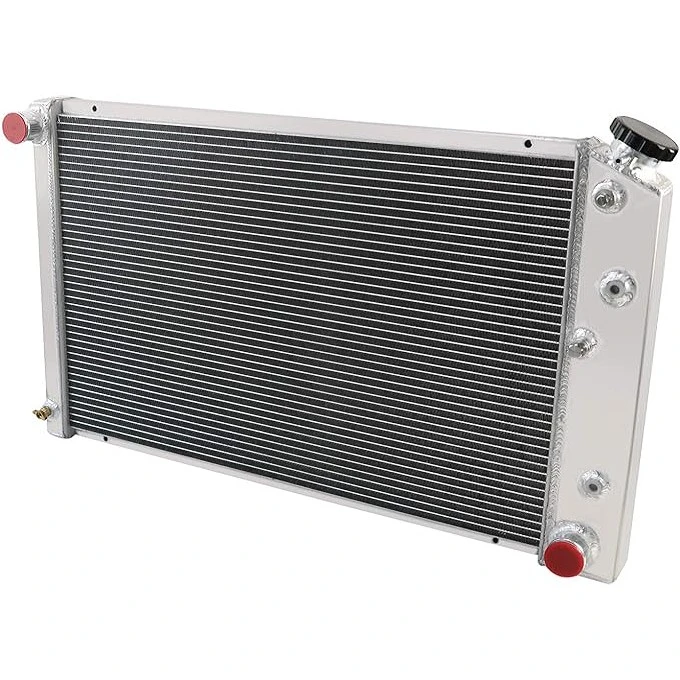
A radiator that is specifically designed to fit a particular BMW model will usually be more expensive than a universal - fit radiator. Custom - fit radiators are engineered to match the exact specifications of the vehicle, ensuring a perfect fit and optimal performance. They may require more precise manufacturing processes and additional testing to guarantee compatibility, which adds to the cost.
-
Additional Features
Some BMW aluminum radiators come with additional features that can increase their price. For example, radiators with built - in transmission coolers are more expensive than standard radiators. These combined units are convenient for vehicles with automatic transmissions as they help maintain the proper operating temperature of both the engine coolant and the transmission fluid. Other features like reinforced tanks or anti - cavitation coatings can also contribute to a higher price.
Price Range of BMW Aluminum Radiators
The price of a BMW aluminum radiator can vary widely depending on the factors mentioned above. On the lower end of the spectrum, you might find a basic single - core, universal - fit radiator for around $100 - $200. These radiators are suitable for older or less - demanding BMW models and may not offer the same level of performance as more expensive options.
Mid - range radiators, which typically include custom - fit, two - core designs, can cost between $200 - $400. These radiators are a popular choice for most BMW owners as they offer a good balance between performance and cost.
For high - performance or specialized radiators, such as Champion 3 Core Aluminum Radiator or Champion 4 Core Aluminum Radiator, the price can range from $400 - $800 or more. These radiators are designed for high - end BMW models, vehicles used for racing or towing, and those that require superior heat - dissipation capabilities.
The G Aluminum Radiator also falls within a similar price range, depending on its specific features and compatibility. It is engineered to meet the high - standards of BMW vehicles and offers reliable performance.
Making the Right Choice
When considering the purchase of a BMW aluminum radiator, it's important to balance your budget with your vehicle's needs. If you have an older BMW that is used for daily commuting, a mid - range radiator may be sufficient. However, if you own a high - performance BMW or use your vehicle in extreme conditions, investing in a high - end radiator is advisable to ensure optimal engine performance and longevity.
It's also a good idea to do some research and read reviews from other BMW owners. This can give you an idea of the reliability and performance of different radiator models. Additionally, purchasing from a reputable supplier, like our company, can provide you with peace of mind, as we offer quality products and excellent customer service.
Contact Us for Purchasing and Negotiation
If you're interested in purchasing a BMW aluminum radiator, we invite you to contact us for more information. Our team of experts can help you select the right radiator for your specific BMW model and provide you with a competitive price. We understand that every customer's needs are different, and we're committed to offering personalized solutions. Whether you're a car enthusiast looking to upgrade your vehicle's cooling system or a repair shop in need of reliable radiators for your customers, we're here to assist you.
References
- "Automotive Cooling System Handbook" by John Doe.
- Industry reports on automotive radiator manufacturing and pricing trends.