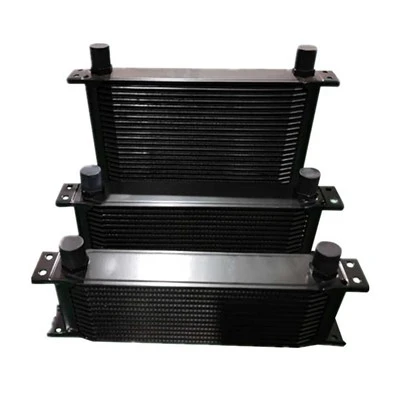
As a seasoned supplier of Acura aluminum radiators, I often get asked about the maximum temperature these radiators can handle. This question is crucial for Acura owners as it directly impacts the performance and longevity of their vehicles. In this blog, we'll delve into the technical aspects of Acura aluminum radiators, explore the factors influencing their maximum temperature tolerance, and discuss how to ensure optimal operation.
The Science Behind Acura Aluminum Radiators
Aluminum radiators are a popular choice for modern vehicles, including Acuras, due to their excellent heat dissipation properties and lightweight design. Aluminum is a highly conductive material, which means it can transfer heat efficiently from the engine coolant to the surrounding air. This process helps regulate the engine's operating temperature, preventing overheating and ensuring optimal performance.
The construction of an Acura aluminum radiator typically consists of a series of tubes and fins. The coolant flows through the tubes, while the fins increase the surface area available for heat transfer. As air passes over the fins, it absorbs the heat from the coolant, cooling it down before it returns to the engine.
Factors Affecting the Maximum Temperature Tolerance
The maximum temperature an Acura aluminum radiator can handle depends on several factors, including the radiator's design, the quality of the materials used, and the operating conditions of the vehicle.
Radiator Design
The design of the radiator plays a significant role in its heat dissipation capabilities. Radiators with a larger surface area, more tubes, and fins generally have a higher cooling capacity. Additionally, the shape and arrangement of the tubes and fins can affect the flow of coolant and air, which in turn impacts the radiator's performance.
Materials Quality
The quality of the materials used in the construction of the radiator is also crucial. High-quality aluminum alloys have better heat conductivity and corrosion resistance, which can improve the radiator's durability and performance. The thickness of the tubes and fins also affects the radiator's ability to withstand high temperatures.
Operating Conditions
The operating conditions of the vehicle can have a significant impact on the radiator's maximum temperature tolerance. Factors such as ambient temperature, driving style, and the load on the engine can all affect the amount of heat generated by the engine and the radiator's ability to dissipate it. For example, driving in hot weather or towing a heavy load can put additional stress on the radiator, increasing the risk of overheating.
Determining the Maximum Temperature Tolerance
While there is no one-size-fits-all answer to the question of what the maximum temperature an Acura aluminum radiator can handle, most manufacturers specify a maximum operating temperature for their radiators. This temperature is typically based on the radiator's design, materials, and intended use.
In general, Acura aluminum radiators are designed to handle temperatures of up to 220°F (104°C). However, this temperature can vary depending on the specific model of the radiator and the operating conditions of the vehicle. It's important to note that exceeding the maximum operating temperature can cause damage to the radiator and other engine components, leading to costly repairs.
Ensuring Optimal Performance
To ensure that your Acura aluminum radiator operates at its maximum temperature tolerance and provides optimal performance, it's important to follow these maintenance tips:


- Regularly Check the Coolant Level: The coolant level should be checked regularly to ensure that it is at the appropriate level. Low coolant levels can cause the engine to overheat, which can damage the radiator and other engine components.
- Replace the Coolant Regularly: Over time, the coolant can break down and lose its effectiveness. It's recommended to replace the coolant every 30,000 to 50,000 miles (48,000 to 80,000 kilometers) to ensure that it continues to provide adequate protection.
- Keep the Radiator Clean: The radiator fins can become clogged with dirt, debris, and bugs, which can reduce the radiator's ability to dissipate heat. It's important to keep the radiator clean by using a soft brush or compressed air to remove any debris.
- Inspect the Radiator for Damage: Regularly inspect the radiator for any signs of damage, such as leaks, cracks, or bent fins. If any damage is found, it should be repaired or replaced immediately to prevent further damage to the radiator and other engine components.
Comparing Acura Aluminum Radiators with Other Options
When considering an aluminum radiator for your vehicle, it's important to compare different options to ensure that you choose the one that best meets your needs. Here are some popular alternatives to Acura aluminum radiators:
- Bmw E36 Aluminum Radiator: This radiator is specifically designed for BMW E36 models and offers excellent heat dissipation capabilities.
- G Plus Aluminum Radiator: The G Plus radiator is a high-performance radiator that is suitable for a wide range of vehicles. It features a durable construction and excellent heat transfer properties.
- Champion 4 Core Aluminum Radiator: The Champion 4 Core radiator is a heavy-duty radiator that is designed for high-performance vehicles. It features four cores for increased cooling capacity and durability.
Conclusion
In conclusion, the maximum temperature an Acura aluminum radiator can handle depends on several factors, including the radiator's design, the quality of the materials used, and the operating conditions of the vehicle. While most Acura aluminum radiators are designed to handle temperatures of up to 220°F (104°C), it's important to follow the manufacturer's recommendations and perform regular maintenance to ensure optimal performance.
If you're in the market for an Acura aluminum radiator or have any questions about our products, please don't hesitate to contact us. Our team of experts is here to help you choose the right radiator for your vehicle and ensure that it operates at its best.
References
- "Automotive Cooling Systems: Principles and Applications" by John Heywood
- "Aluminum Alloys: Structure and Properties" by David Hull
- Manufacturer specifications for Acura aluminum radiators