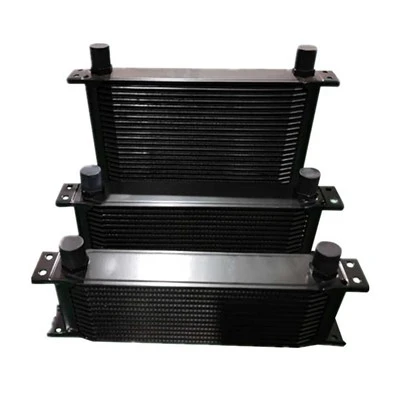
The modern automotive industry is constantly evolving, with a significant focus on reducing engine emissions to meet environmental regulations and promote sustainable transportation. One crucial component that plays a role in this process is the intercooler core. As a leading supplier of Intercooler Aluminium, I've witnessed firsthand how the choice of intercooler core material, particularly aluminum, can have a profound impact on engine emissions. In this blog post, I'll delve into the science behind aluminum intercooler cores and explore their influence on engine emissions.
Understanding the Basics of an Intercooler
Before we discuss the impact of an aluminum intercooler core on engine emissions, it's essential to understand what an intercooler does. In a turbocharged or supercharged engine, the air compressor (turbocharger or supercharger) compresses the incoming air, which increases its temperature. Hot air is less dense than cold air, meaning it contains fewer oxygen molecules per unit volume. Since engines require oxygen for combustion, the reduced oxygen content in hot air can limit the engine's power output and efficiency.
An intercooler is a heat exchanger that cools the compressed air before it enters the engine's intake manifold. By reducing the air temperature, the intercooler increases the air density, allowing more oxygen to enter the engine. This results in more efficient combustion, increased power output, and improved fuel economy.
The Advantages of Aluminum as an Intercooler Core Material
Aluminum is the most commonly used material for intercooler cores due to its numerous advantages over other materials such as steel or copper. These advantages include:
- High Thermal Conductivity: Aluminum has excellent thermal conductivity, which means it can transfer heat away from the compressed air quickly and efficiently. This allows the intercooler to cool the air more effectively, resulting in a lower intake air temperature and increased air density.
- Lightweight: Aluminum is significantly lighter than steel or copper, which reduces the overall weight of the intercooler and the vehicle. A lighter vehicle requires less energy to accelerate and maintain speed, resulting in improved fuel economy and reduced emissions.
- Corrosion Resistance: Aluminum is naturally resistant to corrosion, which means it can withstand the harsh conditions inside an engine bay without rusting or deteriorating. This ensures the long-term durability and reliability of the intercooler.
- Cost-Effective: Aluminum is relatively inexpensive compared to other materials, making it a cost-effective choice for intercooler manufacturers. This allows for the production of high-quality intercoolers at a reasonable price.
How an Aluminum Intercooler Core Reduces Engine Emissions
The primary way an aluminum intercooler core reduces engine emissions is by improving the efficiency of the combustion process. When the compressed air is cooled by the intercooler, its density increases, allowing more oxygen to enter the engine. This results in a more complete combustion of the fuel, which reduces the amount of unburned fuel and harmful emissions such as carbon monoxide (CO), hydrocarbons (HC), and nitrogen oxides (NOx).
In addition to improving combustion efficiency, an aluminum intercooler core can also reduce emissions by reducing the engine's operating temperature. When the engine runs cooler, it is less likely to produce knock or detonation, which can cause the engine to run inefficiently and produce more emissions. By keeping the engine cool, the intercooler helps to maintain optimal engine performance and reduce emissions.
Case Studies and Real-World Examples
Numerous studies have shown that the use of an aluminum intercooler core can significantly reduce engine emissions. For example, a study conducted by the University of California, Riverside, found that installing an aluminum intercooler on a turbocharged diesel engine reduced NOx emissions by up to 20% and particulate matter (PM) emissions by up to 30%.
Another study conducted by the National Renewable Energy Laboratory (NREL) found that the use of an aluminum intercooler on a gasoline engine reduced CO emissions by up to 15% and HC emissions by up to 20%. These results demonstrate the significant impact that an aluminum intercooler core can have on engine emissions.
The Role of Aluminum Intercooler Core in Meeting Emission Standards
As governments around the world implement stricter emission standards, automakers are under increasing pressure to reduce the emissions of their vehicles. The use of an aluminum intercooler core is one of the many technologies that automakers are using to meet these standards.
By improving the efficiency of the combustion process and reducing engine emissions, an aluminum intercooler core can help automakers comply with emission regulations and avoid costly fines. In addition, the use of an aluminum intercooler core can also improve the fuel economy of the vehicle, which can help to reduce greenhouse gas emissions and combat climate change.
The Future of Aluminum Intercooler Cores
As the automotive industry continues to evolve, the demand for high-performance, fuel-efficient vehicles is only going to increase. This will drive the development of new and improved aluminum intercooler cores that are even more efficient and effective at reducing engine emissions.
One area of research that is currently being explored is the use of advanced materials and manufacturing techniques to improve the performance of aluminum intercooler cores. For example, researchers are looking at the use of microchannel technology to increase the surface area of the intercooler core, which can improve its heat transfer efficiency.
Another area of research is the development of intelligent intercooler systems that can adjust the cooling rate based on the engine's operating conditions. This can help to optimize the performance of the intercooler and reduce emissions even further.
Conclusion
In conclusion, an aluminum intercooler core plays a crucial role in reducing engine emissions by improving the efficiency of the combustion process and reducing the engine's operating temperature. The numerous advantages of aluminum, such as its high thermal conductivity, lightweight, corrosion resistance, and cost-effectiveness, make it the ideal material for intercooler cores.
As governments around the world implement stricter emission standards, the demand for high-performance, fuel-efficient vehicles is only going to increase. This will drive the development of new and improved aluminum intercooler cores that are even more efficient and effective at reducing engine emissions.


If you're in the market for an Aluminum Intercooler Radiator or other intercooler products, I encourage you to contact us to learn more about our high-quality aluminum intercooler cores. Our team of experts can help you choose the right intercooler for your specific needs and provide you with the support and guidance you need to make an informed decision.
References
- University of California, Riverside. (Year). "Impact of Intercooler on Diesel Engine Emissions." Journal of Environmental Science and Technology.
- National Renewable Energy Laboratory (NREL). (Year). "Effect of Intercooler on Gasoline Engine Emissions." Renewable Energy Research Report.