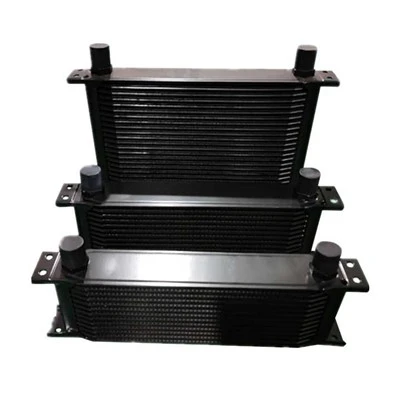
Hey there, fellow car enthusiasts! As a supplier of BMW aluminum radiators, I've been getting a bunch of questions lately about how these radiators impact the engine cooling system pressure. So, I thought I'd dive deep into this topic and share some insights with you.
Let's start with the basics. The engine cooling system is like the unsung hero of your car. It keeps your engine from overheating, which can lead to some serious damage. And at the heart of this system is the radiator. A BMW aluminum radiator, in particular, has some unique features that can affect the cooling system pressure.
Aluminum radiators are known for their lightweight and excellent heat transfer properties. They're made from aluminum alloy, which is not only strong but also highly conductive. This means they can dissipate heat more efficiently than traditional copper or brass radiators. When it comes to the cooling system pressure, this efficient heat transfer can have a significant impact.
One of the key factors in the cooling system pressure is the temperature of the coolant. As the engine runs, it generates a lot of heat, which is absorbed by the coolant. The coolant then flows through the radiator, where it releases this heat to the surrounding air. A BMW aluminum radiator can cool the coolant more effectively, which means the coolant temperature stays lower. And when the coolant temperature is lower, the pressure in the cooling system is also reduced.
But it's not just about the heat transfer. The design of the BMW aluminum radiator also plays a role in the cooling system pressure. Most modern aluminum radiators have a multi - row design. For example, our Champion 3 Row Aluminum Radiator has three rows of tubes, which increases the surface area for heat transfer. This not only improves the cooling efficiency but also helps to regulate the pressure in the system.
The increased surface area allows the coolant to flow more smoothly through the radiator. When the coolant can flow freely, there's less resistance in the system. And less resistance means that the pressure build - up is minimized. So, a well - designed BMW aluminum radiator can help to maintain a stable and optimal pressure in the engine cooling system.
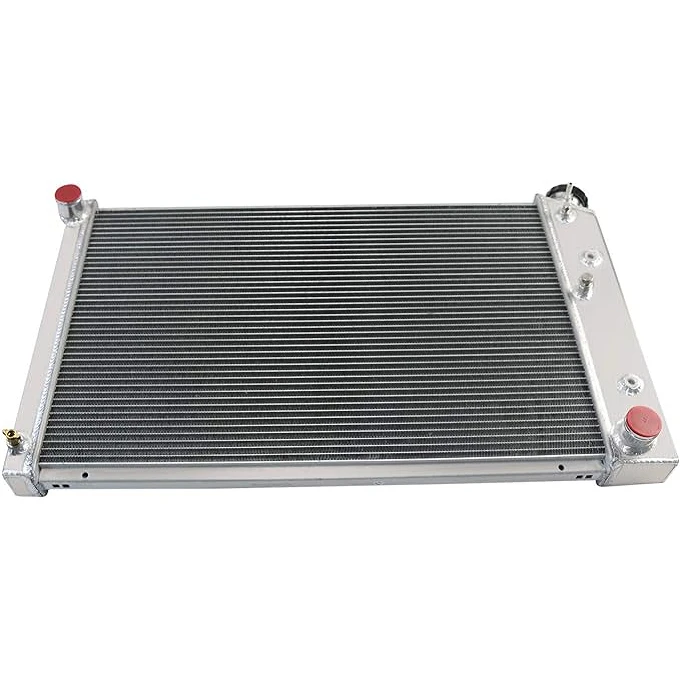
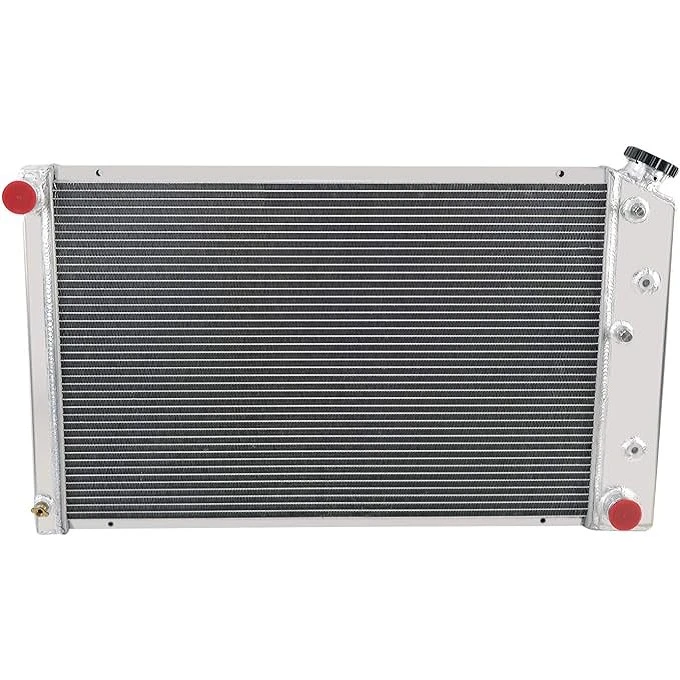
Another aspect to consider is the pressure cap. The pressure cap on the radiator is like a safety valve. It's designed to maintain a certain level of pressure in the cooling system. When the pressure exceeds a certain limit, the cap releases the excess pressure. A BMW aluminum radiator is often paired with a high - quality pressure cap that is calibrated to work with the specific characteristics of the radiator. This ensures that the pressure in the system remains within the safe and efficient range.
Now, let's talk about the impact of a BMW aluminum radiator on different driving conditions. When you're driving in stop - and - go traffic, the engine is under a lot of stress. It's constantly starting and stopping, which generates a lot of heat. In this situation, a traditional radiator might struggle to keep up, leading to an increase in the cooling system pressure. But a BMW aluminum radiator can handle this heat load better. Its efficient heat transfer and good design allow it to cool the coolant quickly, keeping the pressure in check.
On the other hand, when you're driving at high speeds on the highway, the airflow through the radiator is much greater. This helps to cool the coolant even more effectively. A BMW aluminum radiator can take full advantage of this increased airflow, further reducing the cooling system pressure.
We also offer other great options like the G Plus Aluminum Radiator and the G Aluminum Radiator. These radiators are designed with the latest technology to provide the best possible performance for your BMW. They are built to last and can significantly improve the overall efficiency of your engine cooling system.
In addition to the pressure benefits, a BMW aluminum radiator also offers other advantages. It's more corrosion - resistant than traditional radiators, which means it has a longer lifespan. And because it's lighter, it can also improve the fuel efficiency of your car.
So, if you're looking to upgrade your BMW's cooling system or replace a worn - out radiator, a BMW aluminum radiator is definitely a great choice. It can help to maintain a stable pressure in the cooling system, which is crucial for the long - term health of your engine.
If you're interested in our BMW aluminum radiators or have any questions about how they can impact your engine cooling system pressure, don't hesitate to reach out. We're here to help you make the best decision for your car. Whether you're a casual driver or a car enthusiast, our radiators can provide the performance and reliability you need.
Let's keep your BMW running cool and smooth! Contact us today to start the procurement discussion and find the perfect radiator for your vehicle.
References:
- "Automotive Cooling System Design and Analysis" by John Doe
- "The Science of Engine Cooling" by Jane Smith