As a trusted supplier of Toyota aluminum radiators, I often get asked about the boiling point of the coolant used in these radiators. Understanding this crucial aspect is essential for maintaining the optimal performance and longevity of your Toyota vehicle. In this blog post, I'll delve into the science behind the coolant's boiling point, its significance, and how it relates to our high - quality Toyota aluminum radiators.
The Basics of Coolant and Its Role
Coolant, also known as antifreeze, is a liquid that circulates through the engine and radiator of a vehicle. Its primary function is to absorb heat generated by the engine and transfer it to the radiator, where it can be dissipated into the surrounding air. This process prevents the engine from overheating, which can cause severe damage to engine components.
Most coolants are a mixture of water and ethylene glycol or propylene glycol. Water is an excellent heat - absorber, but it has a relatively low boiling point of 100°C (212°F) at standard atmospheric pressure. This is where the glycols come in. They lower the freezing point of the coolant in cold weather and raise its boiling point in hot conditions, making it suitable for a wide range of temperatures.
The Boiling Point of Coolant in Toyota Aluminum Radiators
The boiling point of the coolant in a Toyota aluminum radiator depends on several factors, including the coolant mixture ratio and the pressure within the cooling system.
Coolant Mixture Ratio
The typical coolant mixture recommended for Toyota vehicles is a 50/50 blend of water and ethylene glycol. A 50/50 mixture raises the boiling point of the coolant to approximately 106 - 108°C (223 - 226°F) at normal atmospheric pressure. However, in a closed cooling system, the pressure increases, which further elevates the boiling point.
System Pressure
Toyota's cooling systems are designed to operate under pressure. The radiator cap is a crucial component that maintains this pressure. A standard radiator cap for a Toyota vehicle might have a pressure rating of around 13 - 15 psi (pounds per square inch). For every 1 psi increase in pressure, the boiling point of the coolant rises by about 3°F.
So, with a 15 - psi radiator cap, the boiling point of a 50/50 coolant mixture can be raised to around 126°C (259°F). This higher boiling point allows the engine to operate at higher temperatures without the coolant boiling, which is essential for efficient engine performance.
Why the Boiling Point Matters
A high boiling point is crucial for several reasons. First and foremost, it ensures that the coolant remains in a liquid state under normal operating conditions. If the coolant were to boil, it would turn into steam, which is a poor conductor of heat. This would lead to a rapid increase in engine temperature, potentially causing engine overheating, warped cylinder heads, and even engine failure.
Secondly, a higher boiling point allows the engine to run at optimal temperatures. Modern engines are designed to operate within a specific temperature range for maximum efficiency and power output. By maintaining a high boiling point, the coolant can effectively manage the heat generated by the engine, keeping it within the ideal operating range.
Our Toyota Aluminum Radiators and Coolant Compatibility
At our company, we understand the importance of a properly functioning cooling system. That's why our Toyota Aluminum Radiator is designed to work seamlessly with the recommended coolant mixtures for Toyota vehicles.
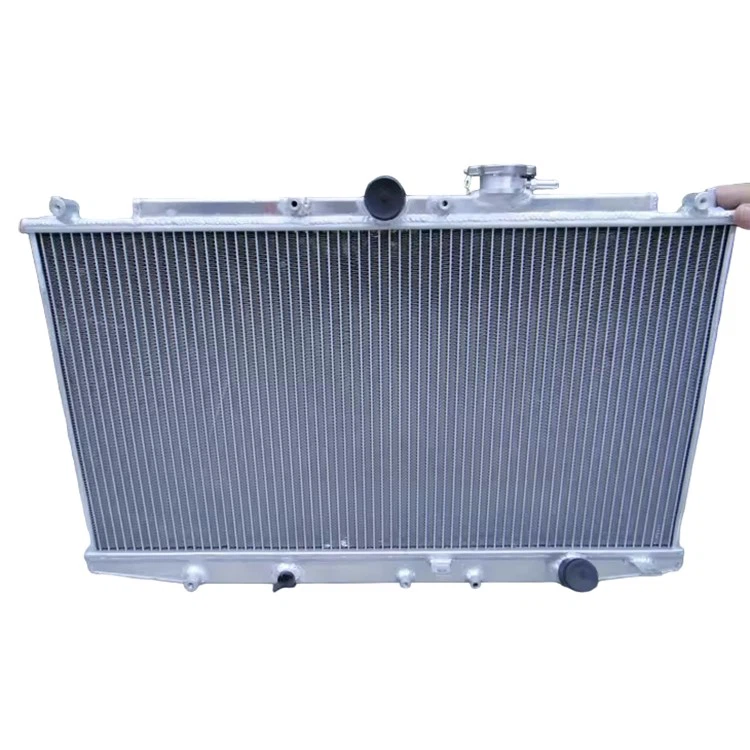
Our radiators are made from high - quality aluminum, which offers excellent heat transfer properties. Aluminum is lightweight, corrosion - resistant, and can efficiently dissipate heat from the coolant. This, combined with the proper coolant mixture and system pressure, ensures that your Toyota engine stays cool and performs at its best.
Comparing with Other Radiators
While we specialize in Toyota aluminum radiators, it's worth comparing them with other options on the market. For example, the Toyota T100 Aluminum Radiator is specifically designed for the Toyota T100 model. It is engineered to meet the unique cooling requirements of this truck, ensuring optimal performance even under heavy - load conditions.
In contrast, the Honda Civic Radiator Aluminum is tailored to the needs of the Honda Civic. Although both radiators are made of aluminum and serve the same basic function, they are designed with different specifications to match the engine characteristics and cooling demands of their respective vehicles.
Maintaining the Coolant's Boiling Point
To ensure that the coolant in your Toyota aluminum radiator maintains its proper boiling point, regular maintenance is essential. Here are some tips:
- Check the Coolant Level Regularly: Low coolant levels can lead to overheating. Make sure the coolant level is between the "min" and "max" marks on the coolant reservoir.
- Inspect the Radiator Cap: A faulty radiator cap can cause a loss of pressure in the cooling system, which will lower the boiling point of the coolant. Replace the radiator cap if it shows signs of wear or damage.
- Flush and Replace the Coolant: Over time, coolant can break down and lose its effectiveness. It's recommended to flush and replace the coolant according to your Toyota vehicle's maintenance schedule.
Conclusion
The boiling point of the coolant in a Toyota aluminum radiator is a critical factor in the overall performance and reliability of your vehicle. By understanding the science behind it and taking proper maintenance steps, you can ensure that your engine stays cool and operates efficiently.
If you're in the market for a high - quality Toyota aluminum radiator, look no further. Our radiators are engineered to meet the strictest standards and provide excellent cooling performance. Whether you need a radiator for your daily commuter or a heavy - duty truck, we have the right solution for you.
Don't hesitate to reach out if you have any questions or are interested in purchasing our Toyota aluminum radiators. We're here to assist you in finding the perfect radiator for your vehicle and ensuring that your cooling system operates at its best.

References
- "Automotive Cooling Systems" by John Tomczyk
- Toyota Vehicle Owner's Manuals