Hey there, car enthusiasts! As a supplier of Honda aluminum radiators, I've seen my fair share of radiator issues and replacements. So, I thought I'd share some insights on what the best time to replace a Honda aluminum radiator is.
First off, let's talk about why radiators are so important. Your car's radiator is like the heart of its cooling system. It helps regulate the engine's temperature by dissipating heat from the coolant that circulates through the engine. Without a properly functioning radiator, your engine can overheat, leading to serious damage and costly repairs.
Now, when it comes to Honda aluminum radiators, they're known for their durability and efficiency. Aluminum is a lightweight and highly conductive material, which means it can transfer heat more effectively than other materials like copper or brass. This makes aluminum radiators a popular choice for Honda vehicles, as they can help improve fuel efficiency and performance.
But even the best radiators don't last forever. Over time, they can wear out due to a variety of factors, such as corrosion, leaks, or damage from debris on the road. So, how do you know when it's time to replace your Honda aluminum radiator?
One of the most obvious signs that your radiator needs to be replaced is if you notice a coolant leak. Coolant is a bright-colored liquid that helps keep your engine cool. If you see a puddle of coolant under your car or notice that your coolant level is consistently low, it's a good indication that there's a leak in your radiator. Another sign of a leak is if you see steam coming from under your hood or if your engine overheats frequently.
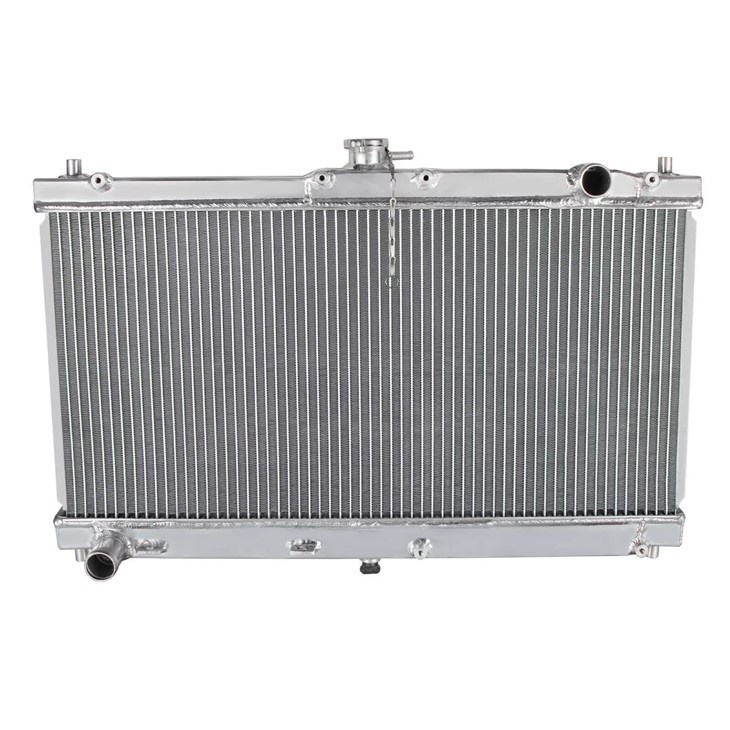

Corrosion is another common issue that can affect your radiator's performance. Over time, the coolant in your radiator can break down and form acidic compounds that can corrode the metal components of your radiator. This can lead to leaks, blockages, and reduced cooling efficiency. If you notice that your radiator has a rusty or corroded appearance, it's a good idea to have it inspected by a professional mechanic.
In addition to leaks and corrosion, damage from debris on the road can also cause your radiator to fail. Rocks, sticks, and other objects can puncture or damage the fins of your radiator, which can reduce its ability to dissipate heat. If you've recently been in an accident or hit a large object on the road, it's a good idea to have your radiator inspected for damage.
So, when is the best time to replace your Honda aluminum radiator? Well, it depends on a few factors, such as the age and condition of your radiator, your driving habits, and the climate in which you live. As a general rule of thumb, most experts recommend replacing your radiator every 80,000 to 100,000 miles or every 5 to 7 years, whichever comes first.
However, if you notice any of the signs of a failing radiator, such as leaks, corrosion, or damage, it's important to have it replaced as soon as possible. Ignoring these issues can lead to more serious problems down the road, such as engine damage or overheating.
At our company, we offer a wide range of Honda aluminum radiators that are designed to meet the specific needs of your vehicle. Our radiators are made from high-quality materials and are built to last, so you can be confident that you're getting a reliable and efficient product.
In addition to Honda aluminum radiators, we also offer a variety of other automotive radiators, including Mazda Rx7 Aluminum Radiator and Mazda Miata Aluminum Radiator. Whether you're looking for a replacement radiator for your Honda, Mazda, or other vehicle, we've got you covered.
If you're in the market for a new radiator, we encourage you to check out our selection of Honda Aluminum Radiator and other automotive radiators. Our team of experts is always available to answer any questions you may have and help you find the right radiator for your vehicle.
In conclusion, knowing when to replace your Honda aluminum radiator is an important part of maintaining the health and performance of your vehicle. By keeping an eye out for signs of a failing radiator and replacing it as soon as necessary, you can avoid costly repairs and ensure that your engine stays cool and running smoothly. So, if you have any questions or need help finding the right radiator for your vehicle, don't hesitate to reach out to us. We're here to help!
References:
- "How to Tell When Your Radiator Needs to Be Replaced." YourMechanic, 2021.
- "The Importance of a Properly Functioning Radiator." AutoZone, 2021.
- "Honda Aluminum Radiators: Benefits and Features." CarParts.com, 2021.