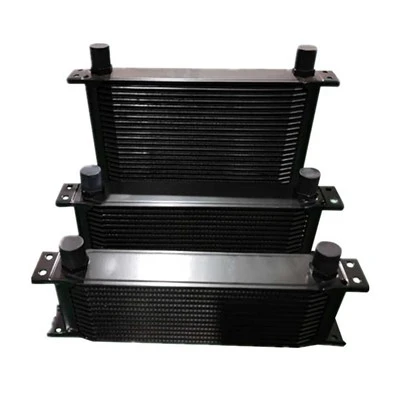
In the realm of modern air - conditioning systems, modular setups have become increasingly popular due to their flexibility, scalability, and ease of maintenance. As an aluminum ac condenser supplier, I have witnessed firsthand the growing demand for these components in modular systems. However, the installation of an aluminum ac condenser in a modular system is not without its challenges. In this blog post, I will delve into some of the key installation challenges faced when integrating an aluminum ac condenser into a modular air - conditioning system.


Compatibility Issues
One of the primary challenges in installing an aluminum ac condenser in a modular system is ensuring compatibility. Modular systems are designed with different specifications and requirements, and an aluminum ac condenser must fit seamlessly into the existing setup. Aluminum Ac Condenser units come in various sizes, shapes, and configurations, and selecting the wrong condenser can lead to a host of problems.
For instance, the refrigerant flow rate and pressure requirements of the modular system must match the capabilities of the aluminum ac condenser. If the condenser is not sized correctly, it may not be able to handle the heat load effectively, resulting in reduced cooling efficiency and potential system failures. Additionally, the electrical connections and control systems of the condenser must be compatible with those of the modular unit. Any mismatch in voltage, current, or communication protocols can prevent the condenser from operating optimally or even cause damage to the equipment.
Space Constraints
Modular systems are often used in environments where space is limited, such as small commercial buildings, server rooms, or even residential applications. Installing an aluminum ac condenser in a confined space can be extremely challenging. The condenser requires adequate space for proper ventilation and airflow to function efficiently.
If the condenser is installed too close to walls, other equipment, or in a poorly ventilated area, the heat dissipation process will be hindered. This can lead to overheating of the condenser, increased energy consumption, and a shorter lifespan of the unit. Moreover, the installation process itself may be difficult in tight spaces, requiring specialized tools and techniques to maneuver the condenser into place and make the necessary connections.
Vibration and Noise
Vibration and noise are common issues associated with the operation of air - conditioning condensers, and these problems can be exacerbated in modular systems. Aluminum is a relatively lightweight material, which means that an aluminum ac condenser may be more prone to vibration compared to condensers made of heavier materials.
Excessive vibration can cause damage to the condenser itself, as well as to the surrounding components in the modular system. It can also lead to increased noise levels, which can be a nuisance in both commercial and residential settings. During installation, it is crucial to properly mount the condenser to minimize vibration. This may involve using vibration - dampening pads or isolators, as well as ensuring that the mounting structure is sturdy and secure.
Refrigerant Leakage
Refrigerant leakage is a significant concern in any air - conditioning system, and the installation of an aluminum ac condenser in a modular system is no exception. Aluminum condensers can be more susceptible to corrosion and damage, which can lead to refrigerant leakage over time.
During installation, care must be taken to ensure that all refrigerant connections are properly tightened and sealed. Any loose or damaged connections can result in refrigerant escaping from the system, reducing its cooling capacity and potentially causing environmental damage. Additionally, the installation process may involve brazing or welding of refrigerant lines, and improper techniques can lead to weak joints that are prone to leakage.
System Integration
Integrating an aluminum ac condenser into a modular air - conditioning system requires a high level of technical expertise. The condenser must be connected to the evaporator, compressor, and other components of the system in a way that allows for proper refrigerant flow and heat transfer.
This involves not only making the physical connections but also programming the control systems to ensure that the condenser operates in harmony with the rest of the modular unit. Any errors in system integration can lead to inefficient operation, temperature imbalances, and even system malfunctions. For example, if the condenser is not properly integrated with the thermostat or control panel, it may not turn on or off at the appropriate times, resulting in inconsistent cooling.
Maintenance Accessibility
Proper maintenance is essential for the long - term performance of an aluminum ac condenser in a modular system. However, the design of modular systems can sometimes make it difficult to access the condenser for routine maintenance tasks such as cleaning, inspection, and repair.
During installation, it is important to consider future maintenance requirements and ensure that the condenser is installed in a location where it can be easily reached. This may involve leaving enough clearance around the condenser, providing access panels, or designing the modular system in a way that allows for easy removal and replacement of the condenser if necessary.
Environmental Factors
The environment in which the modular system is installed can also pose challenges for the installation of an aluminum ac condenser. For example, in areas with high levels of humidity or salt air, the aluminum condenser may be more prone to corrosion. In such cases, additional protective measures may need to be taken during installation, such as applying anti - corrosion coatings or using corrosion - resistant materials for mounting and connection components.
Extreme temperatures can also affect the performance of the condenser. In very hot climates, the condenser may need to work harder to dissipate heat, which can put additional stress on the unit. On the other hand, in cold climates, proper insulation and protection against freezing may be required to prevent damage to the refrigerant lines and the condenser itself.
Conclusion
As an aluminum ac condenser supplier, I understand the importance of addressing these installation challenges to ensure the successful integration of our products into modular air - conditioning systems. By working closely with customers, providing detailed installation guidelines, and offering technical support, we can help overcome these hurdles and ensure optimal performance of the air - conditioning systems.
Despite the challenges, the use of aluminum ac condensers in modular systems offers many advantages, including light weight, high heat transfer efficiency, and corrosion resistance. With proper installation and maintenance, these condensers can provide reliable and energy - efficient cooling solutions for a wide range of applications.
If you are considering the installation of an Aluminum Ac Condenser in a modular system or need more information about our Aluminum Condenser Coil and Aluminum Bar Plate Heat Exchanger products, I encourage you to reach out. We are here to assist you through the installation process and provide you with the best solutions for your air - conditioning needs. Contact us today to discuss your project and start a procurement conversation.
References
- ASHRAE Handbook - HVAC Systems and Equipment. This comprehensive handbook provides detailed information on air - conditioning system design, installation, and maintenance, including considerations for condensers in modular systems.
- Manufacturer's installation guides for aluminum ac condensers, which offer specific instructions and recommendations for proper installation in various system configurations.
- Research papers on the performance and durability of aluminum in air - conditioning applications, which can help in understanding the unique properties of aluminum ac condensers and addressing installation challenges.