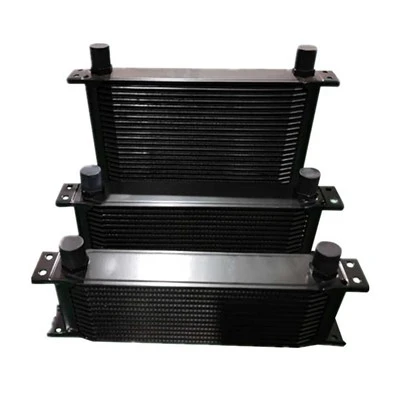
Hey there! As a supplier of aluminum car radiators, I often get asked whether these radiators are suitable for cold climates. Well, let's dig into this topic and find out.
First off, let's understand how an aluminum car radiator works. Aluminum radiators are designed to transfer heat from the engine coolant to the surrounding air. They have a network of tubes and fins that increase the surface area for heat exchange. When the hot coolant flows through the tubes, the fins help dissipate the heat into the air passing over them.
One of the big advantages of aluminum radiators is their lightweight nature. Aluminum is much lighter than traditional copper - brass radiators. This can be a plus in cold climates as it puts less strain on the vehicle's engine, which is already working hard to keep warm. A lighter radiator means the engine doesn't have to use as much energy to move the extra weight around, which can improve fuel efficiency.
Another benefit is aluminum's excellent thermal conductivity. It can transfer heat more efficiently than many other metals. In cold climates, the engine needs to warm up quickly to reach its optimal operating temperature. An aluminum radiator can help with this by rapidly transferring the heat generated by the engine to the coolant. This allows the engine to reach the right temperature faster, reducing wear and tear on engine components and improving overall performance.
However, there are also some considerations when it comes to using an aluminum car radiator in cold climates. One issue is the potential for corrosion. Aluminum can be more prone to corrosion in certain conditions, especially when in contact with road salts and chemicals used for de - icing in winter. These substances can cause the aluminum to break down over time, leading to leaks and reduced radiator efficiency.
To combat this, many modern aluminum radiators are treated with special coatings. These coatings act as a barrier between the aluminum and the corrosive elements, protecting the radiator and extending its lifespan. As a supplier, I make sure that all the radiators we offer have high - quality anti - corrosion coatings to ensure they can withstand the harsh conditions of cold climates.
Now, let's talk about some specific products. We have the Kenworth Radiator. This radiator is specifically designed for Kenworth trucks. It's made from high - grade aluminum and has a robust construction. The design allows for maximum heat transfer, even in cold weather. The fins are closely spaced to increase the surface area for heat exchange, and the tubes are thick enough to handle the pressure of the coolant flow.
Another great option is the Zuoer 31 X 19 Aluminum Radiator. This radiator is a popular choice for a variety of vehicles. Its dimensions are well - suited for many car models, and it offers excellent performance in cold climates. The aluminum material ensures quick heat transfer, and the build quality is top - notch, making it resistant to the cold and other environmental factors.
If you're looking to replace a radiator in a Freightliner vehicle, our Freightliner Radiator Replacement is a great choice. It's engineered to fit Freightliner trucks perfectly and provides efficient heat dissipation. The aluminum construction makes it lightweight and durable, which is ideal for long - haul trucks operating in cold regions.
In cold climates, the coolant in the radiator also plays a crucial role. You need to use a coolant that has a low freezing point. Most coolants are a mixture of water and antifreeze. Antifreeze lowers the freezing point of the coolant, preventing it from solidifying in cold temperatures. If the coolant freezes, it can cause the radiator to crack, leading to costly repairs. So, make sure to use the right coolant and change it regularly according to the vehicle manufacturer's recommendations.
The airflow around the radiator is also important. In cold weather, you might be tempted to block off the radiator to keep the engine warm. However, this can be a bad idea. The radiator needs a certain amount of airflow to function properly. Without enough airflow, the heat can't be dissipated effectively, and the engine can overheat. Instead of blocking the radiator completely, you can use a radiator shutter or a winter front that allows you to control the amount of airflow.
So, is an aluminum car radiator suitable for cold climates? The answer is yes, with the right precautions. The lightweight and high - thermal - conductivity properties of aluminum make it a good choice for cold - weather operation. As long as you take steps to protect the radiator from corrosion, use the right coolant, and ensure proper airflow, an aluminum radiator can perform well in cold climates.
If you're in the market for an aluminum car radiator, whether it's for a Kenworth, a Freightliner, or another vehicle, we've got you covered. Our radiators are designed to meet the highest standards of quality and performance. We've spent years perfecting our products to ensure they can handle the toughest conditions, including cold climates.
Don't hesitate to reach out if you have any questions or if you're interested in making a purchase. We're here to help you find the right radiator for your vehicle and answer any concerns you might have. Whether you're a professional mechanic or a vehicle owner looking to replace your radiator, we can provide the expertise and products you need.
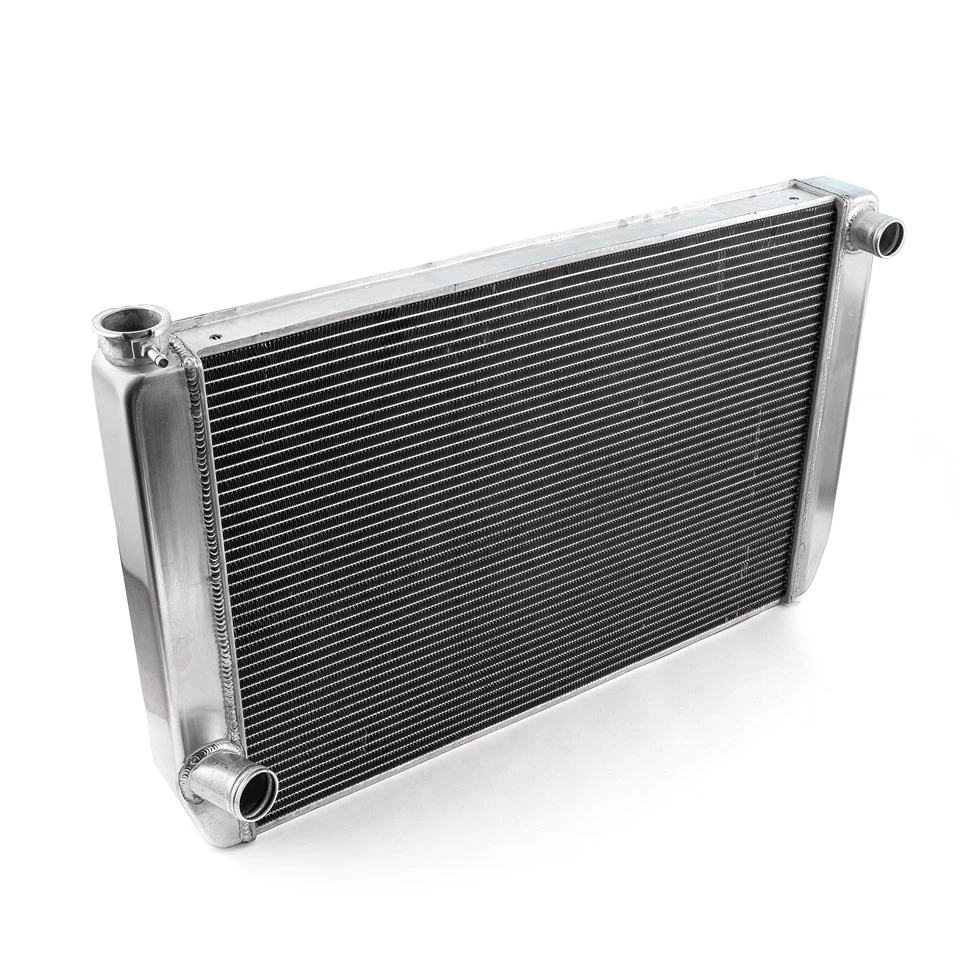

Contact us today to start the procurement process and get a radiator that will keep your engine running smoothly, no matter how cold it gets outside.
References:
- Automotive Radiator Handbook, various industry publications
- Manufacturer's specifications for aluminum radiators