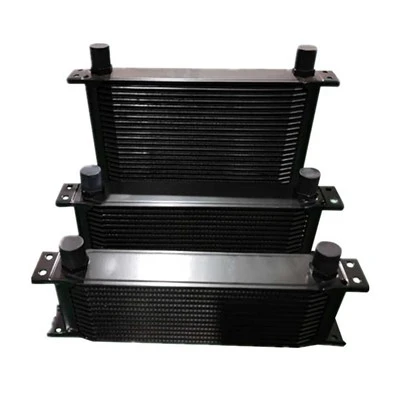
Hey there! As a supplier of aluminum 4 - core radiators, I've seen my fair share of radiator problems. In this blog, I'll walk you through how to troubleshoot issues with an aluminum 4 - core radiator.
1. Overheating Problems
One of the most common issues with radiators is overheating. If your engine is running hotter than normal, here are some things to check.
Coolant Level: First off, check the coolant level. Low coolant can cause overheating. Pop the hood and locate the coolant reservoir. It's usually a translucent plastic tank with "min" and "max" markings. If the coolant is below the "min" mark, you need to add more. Make sure the engine is cool before you open the radiator cap or add coolant. If the coolant level keeps dropping, you might have a leak. Look for any signs of coolant puddles under the vehicle or wet spots around the radiator.
Blocked Radiator Fins: The fins on an aluminum 4 - core radiator can get clogged with dirt, debris, or bugs. This restricts the airflow through the radiator, making it less efficient at cooling the coolant. You can use a soft - bristled brush or compressed air to clean the fins. Be gentle when brushing to avoid bending the fins. If you use compressed air, hold the canister upright and keep a safe distance from the fins to prevent damage.
Faulty Thermostat: A malfunctioning thermostat can also lead to overheating. The thermostat regulates the flow of coolant through the radiator. If it gets stuck closed, the coolant can't circulate properly, and the engine will overheat. You can test the thermostat by removing it and placing it in a pot of boiling water. If it doesn't open, it's faulty and needs to be replaced.
2. Leaking Coolant
Leaking coolant is another headache for radiator owners. Here's how to figure out where the leak is coming from.
Visual Inspection: Start by doing a visual inspection of the radiator. Look for any obvious signs of leaks, like wet spots, drips, or stains on the radiator itself or on the ground beneath the vehicle. Pay close attention to the seams, joints, and connections of the radiator. If you see a small hole or crack, you might be able to patch it with a radiator sealant. But for larger holes or serious damage, you'll probably need to replace the radiator.


Pressure Test: If you can't find the leak just by looking, you can perform a pressure test. You'll need a radiator pressure tester, which you can usually rent from an auto parts store. Attach the tester to the radiator cap opening and pump it up to the recommended pressure. Then, look for any signs of leakage. If the pressure drops quickly, there's definitely a leak somewhere.
3. Poor Airflow
Proper airflow is crucial for the radiator to work effectively. If you're experiencing poor airflow, here are some possible causes and solutions.
Faulty Fan: The radiator fan helps to draw air through the radiator when the vehicle is stationary or moving slowly. If the fan isn't working properly, the airflow will be reduced. Check the fan blades for any damage or obstruction. Also, test the fan motor by turning on the engine and waiting for the engine to warm up. The fan should come on when the engine reaches a certain temperature. If it doesn't, the motor might be bad, or there could be an issue with the fan relay or wiring.
Blocked Air Intake: The air intake in front of the radiator can get blocked by snow, ice, or debris. Make sure the area in front of the radiator is clear. You can also check the grille for any damage or blockage. If the grille is bent or clogged, it can restrict the airflow.
4. Corrosion and Rust
Even though aluminum is resistant to corrosion, it's not completely immune. Over time, the radiator can still develop some corrosion, which can affect its performance.
Internal Corrosion: Internal corrosion can be caused by using the wrong type of coolant or by not flushing the coolant regularly. Coolant contains additives that protect the radiator from corrosion. If these additives break down over time, the radiator is at risk. You can flush the radiator every 2 - 3 years or as recommended by the vehicle manufacturer. Use a radiator flush kit to remove any built - up debris and corrosion from the inside of the radiator.
External Corrosion: External corrosion can occur if the radiator is exposed to salt, road chemicals, or a harsh environment. You can clean the exterior of the radiator with a mild detergent and water. Rinse it thoroughly and dry it to prevent further corrosion.
Related Products
If you're having persistent problems with your aluminum 4 - core radiator or if you're looking for an upgrade, we also offer some great alternatives. Check out our Aluminum 360 Radiator, which provides excellent cooling performance. The Pwr Aluminum Radiator is another high - quality option known for its durability. And if you want a complete cooling solution, our Aluminum Radiator and Fan Combo is a great choice.
Contact Us for Purchase
If you're interested in purchasing a new aluminum 4 - core radiator or any of our other products, don't hesitate to reach out. We're here to help you find the best radiator for your needs. Whether you're a professional mechanic or a DIY enthusiast, we've got the right product for you.
References
- "Automotive Cooling Systems" - A guidebook on understanding and maintaining vehicle cooling systems.
- "Radiator Troubleshooting Manual" - A comprehensive manual on diagnosing and fixing radiator problems.